


 (858) 333-1035 Sales@knives.shop
 Keeping kitchen knives sharp is essential for safe, efficient food preparation. Yet, many home cooks and even some professionals unknowingly make errors that can damage their blades or leave them dull. Understanding knife sharpening common mistakes helps you avoid unnecessary wear and ensures your knives perform at their best.
This guide covers the most frequent errors people make when sharpening knives, how to recognize them, and practical tips for achieving a keen, lasting edge. For those interested in broader care topics, you might also find value in our knife sharpening knife care tips article, which explores maintenance beyond just sharpening.
Why Proper Knife Sharpening Matters
Sharp knives are safer and more effective. Dull blades require more force, increasing the risk of slips and accidents. Additionally, improper sharpening can shorten the lifespan of your knives, cause uneven cuts, and even ruin expensive blades. By learning about frequent sharpening errors, you can keep your knives in top condition and extend their usability.
Overlooking the Correct Angle
One of the most widespread knife sharpening common mistakes is using the wrong angle. Each knife is designed with a specific edge angle, typically between 15 and 20 degrees per side for kitchen knives. Sharpening at the wrong angle can make the blade duller or create a weak edge that chips easily.
- Too steep: An angle that is too steep (e.g., 25 degrees or more) results in a thick, blunt edge.
- Too shallow: An angle that is too shallow (e.g., under 10 degrees) creates a fragile edge prone to rolling or chipping.
To avoid this, always check your knife manufacturer's recommendations or use an angle guide. Maintaining a consistent angle throughout the sharpening process is crucial for a sharp, durable edge.
Using the Wrong Sharpening Tools
Another frequent error is selecting an inappropriate tool for the job. Not all sharpeners are created equal, and using the wrong one can damage your blade or fail to restore its sharpness. For example, a coarse stone may remove too much metal, while a dull honing rod won’t sharpen at all.
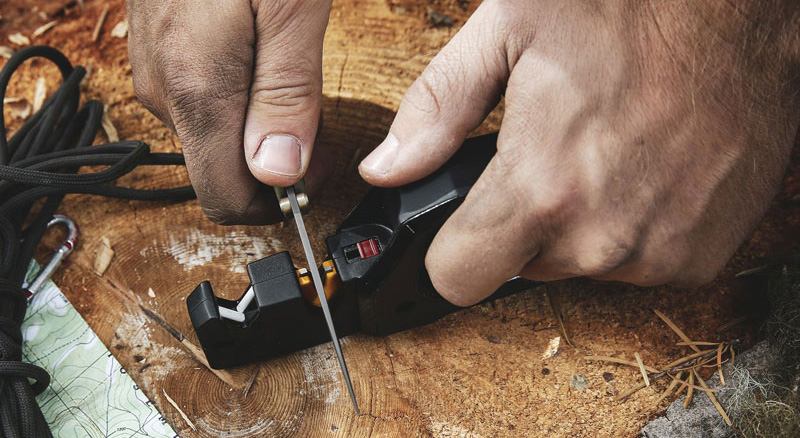
Choose a sharpening method that matches your knife type and skill level. Whetstones offer control and precision, while electric sharpeners provide speed and consistency. If you’re unsure, consult resources like this comprehensive kitchen knife sharpening guide for tool selection and technique advice.
Applying Uneven Pressure
Consistent pressure is essential for even sharpening. Pressing too hard can remove excessive metal, while too little pressure may not sharpen the blade at all. Uneven force can also create an irregular edge, making the knife cut poorly or feel rough.
To achieve the best results, apply gentle, even pressure along the entire length of the blade. Let the abrasive surface do the work, and avoid forcing the knife into the sharpener. Practicing on inexpensive knives can help you develop a feel for the right amount of pressure.
Neglecting to Use the Full Length of the Stone or Sharpener
Many people make the mistake of sharpening only a portion of the blade, especially the center, while neglecting the tip and heel. This leads to uneven wear and a blade that won’t cut properly from end to end.
When using a whetstone or manual sharpener, draw the entire edge across the abrasive surface in a smooth, controlled motion. This ensures the whole blade is sharpened evenly and maintains its original shape.
Skipping Honing and Maintenance
Sharpening and honing are not the same. Sharpening removes metal to create a new edge, while honing realigns the existing edge for optimal performance. Skipping honing can cause your knife to feel dull even after sharpening.
Regular honing with a steel or ceramic rod keeps your edge aligned and prolongs the time between sharpenings. For a complete approach to care, see our knife sharpening maintenance guide for advice on routine upkeep and storage.

Not Cleaning the Blade After Sharpening
After sharpening, metal filings and abrasive particles can remain on the blade. Failing to clean the knife properly can transfer these particles to food or cause corrosion. Always rinse and dry your knife thoroughly after sharpening to keep it safe and in good condition.
Sharpening Too Frequently or Too Infrequently
Some users sharpen their knives every time they feel a slight decrease in performance, while others wait until the blade is completely dull. Both extremes are problematic. Over-sharpening removes unnecessary metal and shortens the knife’s lifespan, while neglecting sharpening can make the blade harder to restore.
As a general rule, hone your knife regularly and sharpen only when honing no longer restores the edge. The frequency depends on how often you use your knife and the types of food you cut.
Ignoring Safety Precautions
Sharpening tools can be dangerous if not used correctly. Skipping safety steps, such as securing the sharpener or wearing cut-resistant gloves, increases the risk of injury. For a safer sharpening experience, review our knife sharpening safety precautions guide before you begin.
Storing Knives Improperly After Sharpening
Even after achieving a perfect edge, improper storage can quickly dull your knife. Tossing sharpened blades into a drawer or letting them bang against other utensils leads to chips and nicks. Consider using a knife block, magnetic strip, or blade guard to protect your investment. For more advice, check out our knife sharpening storage tips.
Frequently Asked Questions
How can I tell if I’m sharpening my knife at the correct angle?
Most kitchen knives are designed for a 15–20 degree angle per side. You can use an angle guide or practice by matching the existing bevel. Consistency is more important than perfection—try to keep the same angle throughout each stroke for best results.
What’s the difference between honing and sharpening?
Honing realigns the edge of the blade without removing much metal, keeping it sharp between sharpenings. Sharpening, on the other hand, grinds away metal to create a new edge. Both are important for maintaining optimal knife performance.
How often should I sharpen my kitchen knives?
The frequency depends on usage and knife type. For most home cooks, sharpening every few months is sufficient, with regular honing in between. If you notice your knife struggling to cut or slipping off food, it’s time to sharpen.
Can I use an electric sharpener for all my knives?
Electric sharpeners are convenient and effective for many Western-style knives, but they may not be suitable for delicate Japanese blades or knives with unusual shapes. Always check your knife’s manufacturer guidelines before using an electric sharpener.
What’s the best way to store sharpened knives?
To maintain your edge, store knives in a block, on a magnetic strip, or with blade guards. Avoid tossing them in a drawer where they can get damaged.
By avoiding these knife sharpening common mistakes and following best practices, you’ll enjoy safer, more effective cutting and extend the life of your favorite kitchen tools.
This article contains affiliate links. We may earn a commission at no extra cost to you.