


 (858) 333-1035 Sales@knives.shop
 Keeping your knives sharp and well-maintained is essential for safe, efficient, and enjoyable food preparation. Dull blades not only make cutting tasks more difficult but also increase the risk of accidents. With the right approach to knife sharpening and routine care, you can extend the life of your kitchen tools and ensure they perform at their best.
This guide covers practical advice on maintaining blade sharpness, choosing the right sharpening tools, and developing habits that protect your investment. Along the way, you'll find actionable tips for both beginners and experienced cooks, as well as links to deeper resources like knife sharpening edge retention for those looking to master advanced techniques.
Understanding Blade Sharpness and Why It Matters
A sharp knife is safer and more effective than a dull one. When a blade is keen, it requires less force to cut, reducing the likelihood of slipping and causing injury. Regular maintenance ensures your knives stay in optimal condition, making every kitchen task smoother and more precise.
Sharpness is determined by the angle and condition of the edge. Over time, even the best knives lose their edge due to contact with cutting boards, food, and improper storage. Knowing how to restore and maintain sharpness is a fundamental skill for any cook.
Essential Tools for Knife Maintenance
There are several tools available for keeping your blades in top shape. The most common options include:
- Whetstones: Offer precise control and are ideal for those who want to master sharpening by hand.
- Sharpening steels: Used for honing, which realigns the edge between sharpening sessions.
- Manual and electric sharpeners: Provide quick results and are suitable for most home cooks.
- Leather strops: Used for finishing and polishing the edge after sharpening, as detailed in resources like knife sharpening using leather strops.
Choosing the right tool depends on your skill level, the type of knives you own, and how much time you want to invest in maintenance.

How to Sharpen Your Knife Effectively
Proper sharpening restores the blade’s edge and improves performance. Here’s a step-by-step overview for beginners:
- Choose your sharpening tool: For most home cooks, a manual or electric sharpener is the easiest option. If you prefer more control, a whetstone is ideal.
- Set the correct angle: Most kitchen knives are sharpened at a 15-20 degree angle. Maintaining this angle is crucial for a consistent edge. For more on angle accuracy, see knife sharpening angle correction.
- Use even strokes: Draw the blade across the sharpener or stone in smooth, controlled motions. Repeat on both sides until the edge feels sharp.
- Finish with honing: After sharpening, use a honing steel to realign the edge and remove any burrs.
- Test the sharpness: Carefully slice through a piece of paper or tomato to check the blade’s performance.
For those without a dedicated sharpener, there are alternative methods available. You can learn about creative approaches in this DIY knife sharpening guide.

Best Practices for Everyday Knife Care
Maintaining sharpness is only part of the equation. Daily habits can significantly impact the longevity and performance of your blades. Here are some essential care tips:
- Hand wash only: Avoid dishwashers, as harsh detergents and high heat can damage both the blade and handle.
- Dry immediately: Prevent rust and corrosion by drying knives thoroughly after washing.
- Use the right cutting surface: Opt for wooden or plastic cutting boards. Avoid glass, stone, or metal surfaces that can quickly dull the edge.
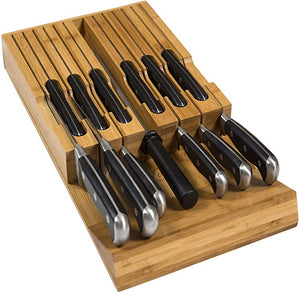
- Store safely: Use a knife block, magnetic strip, or blade guard to protect the edge and prevent accidents.
- Regular honing: Incorporate honing into your routine to maintain alignment and minimize the need for frequent sharpening. For more on finishing techniques, see knife sharpening edge finishing.
Common Mistakes to Avoid
Even with the best intentions, certain habits can undermine your efforts. Watch out for these pitfalls:
- Neglecting regular maintenance: Waiting until a knife is completely dull makes sharpening more difficult and shortens its lifespan.
- Using the wrong angle: Inconsistent angles lead to uneven edges and reduced sharpness.
- Applying too much pressure: Let the sharpening tool do the work. Excessive force can damage the blade.
- Improper storage: Tossing knives in a drawer can chip or dull the edge and poses a safety risk.
- Ignoring specialty knives: Some blades, like serrated or Japanese-style knives, require specific care and sharpening methods. For advanced guidance, explore knife sharpening using guided systems.
Maintaining Edge Retention Over Time
Keeping your knives sharp isn’t just about the initial sharpening—it’s about preserving that edge for as long as possible. Here are some strategies to maximize edge retention:
- Use knives for their intended purpose: Avoid using kitchen knives to cut hard materials like bones or frozen foods unless they are designed for that task.
- Rotate your knives: If you have multiple blades, alternate their use to reduce wear on any single knife.
- Perform touch-ups: Regularly hone and occasionally strop your knives to keep the edge in peak condition.
For those interested in the science behind blade longevity, the article on knife sharpening edge retention offers a detailed look at how steel composition and sharpening techniques affect durability.
FAQ
How often should I sharpen my kitchen knives?
The frequency depends on usage and the type of knife. For most home cooks, sharpening every 2-3 months is sufficient, with regular honing between sessions to maintain alignment.
What’s the difference between honing and sharpening?
Honing realigns the blade’s edge without removing metal, while sharpening grinds away material to create a new edge. Both are important for optimal performance.
Can I sharpen knives without specialized equipment?
Yes, there are several household methods for restoring sharpness, such as using the bottom of a ceramic mug. For step-by-step instructions, refer to this DIY sharpening guide.
Is it safe to use an electric sharpener on all knives?
Electric sharpeners are suitable for most Western-style kitchen knives. However, delicate or specialty blades may require manual sharpening or professional care to avoid damage.
Conclusion
Developing a consistent routine for knife sharpening and care ensures your blades remain safe, efficient, and long-lasting. By investing a little time in proper maintenance and using the right tools, you’ll enjoy better performance and greater satisfaction in the kitchen. Explore related topics like edge retention and angle correction to further enhance your skills and keep your knives in peak condition for years to come.
This article contains affiliate links. We may earn a commission at no extra cost to you.