


 (858) 333-1035 Sales@knives.shop
 Maintaining a sharp edge on your kitchen or outdoor knives is essential for both performance and safety. However, improper sharpening techniques can quickly lead to chipped blades, uneven edges, or even permanent damage. Understanding the right approach to knife sharpening avoiding damage ensures your blades stay effective and last longer, whether you’re a home cook, outdoor enthusiast, or professional chef.
This guide covers the most common mistakes, the best practices for safe sharpening, and how to choose the right tools for your needs. For additional advice on keeping your knives in top shape, you may also want to review these knife sharpening knife care tips for a more comprehensive approach to blade care.
Understanding How Knives Get Damaged During Sharpening
Many people unintentionally harm their knives when trying to restore a sharp edge. The most frequent causes of blade damage during sharpening include:
- Using the wrong sharpening angle: Each knife is designed with a specific edge angle. Sharpening at too steep or too shallow an angle can weaken the blade or create a dull edge.
- Applying excessive pressure: Pressing too hard on the stone or sharpener can cause chips, bends, or uneven wear.
- Choosing inappropriate tools: Not all sharpeners are suitable for every knife. Using a coarse stone on a delicate blade, for example, can result in scratches or nicks.
- Neglecting to clean the blade and tools: Metal filings and debris can scratch the blade or clog the sharpening surface, reducing effectiveness and increasing risk of harm.
To learn more about keeping your knives protected between uses, see these knife sharpening storage tips.
Best Practices for Safe Knife Sharpening
To minimize the risk of damaging your knives, follow these essential guidelines:
- Identify the correct sharpening angle: Most Western kitchen knives are sharpened at 20 degrees, while Japanese knives often use a 15-degree angle. Consult your knife’s manufacturer or a reputable resource to confirm.
- Use gentle, consistent strokes: Let the sharpening tool do the work. Apply only light pressure and maintain a steady motion throughout each pass.
- Start with the right grit: Coarse stones remove material quickly but can scratch or chip fine blades. Begin with a medium or fine grit unless the knife is extremely dull or damaged.
- Keep the blade and stone clean: Wipe away metal filings regularly and rinse your sharpening stone as needed to prevent buildup.
- Finish with honing: After sharpening, use a honing rod to realign the edge and remove any remaining burrs for a smoother, longer-lasting finish.

Choosing the Right Tools for Damage-Free Sharpening
Selecting the proper sharpening equipment is crucial for protecting your knives. Here are the main options and their pros and cons:
| Tool | Advantages | Risks |
|---|---|---|
| Whetstone (Water Stone) | Offers precise control; suitable for most knives; preserves blade integrity. | Requires practice to master; wrong angle can cause uneven edges. |
| Pull-Through Sharpener | Quick and easy; good for beginners. | Can remove too much metal; may scratch blade sides. |
| Electric Sharpener | Fast and consistent; ideal for frequent sharpening. | May be too aggressive for thin or high-end blades. |
| Honing Rod | Realigns edge; extends time between sharpening. | Does not actually sharpen; ineffective on dull knives. |
For those looking for a reliable and user-friendly solution, an electric sharpener can be a good investment. Just ensure it is compatible with your knife’s steel and edge profile.

Common Mistakes That Lead to Blade Damage
Even experienced users can make errors that compromise their knives. Some of the most frequent mistakes include:
- Sharpening too often: Over-sharpening wears down the blade unnecessarily. Only sharpen when you notice decreased performance.
- Failing to check for burrs: Not removing the burr after sharpening can result in a rough, jagged edge.
- Ignoring maintenance between sharpening: Regular honing and proper storage are essential for edge retention. For more on this, see the knife sharpening maintenance guide.
- Using the wrong lubricant: Some stones require water, others oil. Using the wrong lubricant can clog the stone or affect sharpening quality.
For a detailed step-by-step process, this comprehensive knife sharpening tutorial provides visual guidance and troubleshooting tips.
How to Tell If Your Knife Has Been Damaged
After sharpening, inspect your knife for these signs of harm:
- Visible chips or nicks along the edge
- Uneven bevels or inconsistent shine
- Blade feels rough or drags when slicing
- Edge folds over easily or shows signs of rolling
If you notice any of these issues, stop using the knife and address the problem before further sharpening. Sometimes, professional repair may be necessary for severe damage.
Long-Term Knife Care for Lasting Sharpness
Proper sharpening is only one part of keeping your knives in optimal condition. To extend the life of your blades:
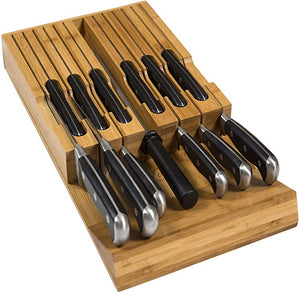
- Store knives in a dedicated block, sheath, or magnetic strip to prevent accidental dulling.
- Clean and dry knives immediately after use to avoid corrosion.
- Use cutting boards made of wood or plastic, not glass or stone, which can dull the edge quickly.
- Regularly hone your knives to maintain alignment between sharpenings.
For more on maximizing the lifespan of your knives, check out these knife sharpening edge retention strategies.
Frequently Asked Questions
What is the safest way to sharpen a knife without causing damage?
The safest approach is to use a whetstone with light, even strokes at the correct angle for your knife. Avoid excessive pressure and always finish with a honing rod to refine the edge.
How often should I sharpen my knives to prevent unnecessary wear?
Sharpen your knives only when you notice they are not cutting efficiently. For most home cooks, this means every few months. Regular honing can help maintain sharpness and reduce the frequency of full sharpening sessions.
Can electric sharpeners damage my knives?
Electric sharpeners can be safe if used correctly and matched to your knife’s steel and edge profile. However, using an overly aggressive machine or the wrong settings may remove too much metal or create uneven edges. Always read the manufacturer’s instructions and test on a less valuable knife first if unsure.
Are there any safety precautions I should follow during sharpening?
Yes, always secure your sharpening tool on a stable surface, keep your fingers away from the blade, and work slowly. For more detailed advice, see these knife sharpening safety precautions.
This article contains affiliate links. We may earn a commission at no extra cost to you.