


 (858) 333-1035 Sales@knives.shop
 Keeping kitchen knives sharp is essential for efficient and safe food preparation, but the process of sharpening blades comes with its own set of risks. Understanding and following proper knife sharpening safety precautions is crucial to prevent injuries and maintain the longevity of your tools. Whether you’re using a whetstone, honing rod, or an electric sharpener, a few careful steps can make all the difference in your sharpening routine.
Before diving into the practical safety measures, it’s helpful to know that a well-maintained knife is actually safer than a dull one. Dull blades require more force, increasing the likelihood of slips and accidents. However, sharpening itself introduces sharp edges and moving parts, so awareness and preparation are key. For those interested in maximizing blade performance, exploring topics like knife sharpening edge retention can further enhance your understanding of blade care.
Preparing Your Workspace for Safe Sharpening
Setting up a dedicated, clutter-free area is the first step in reducing risks during knife maintenance. Choose a stable, well-lit surface that allows you to focus on the task without distractions. Make sure all sharpening tools—stones, rods, or machines—are clean and dry before use. A damp or greasy surface can cause slips, so always wipe down your workspace beforehand.
Keep towels or a non-slip mat under your sharpening stone or device to prevent movement. This simple precaution can stop the sharpener from sliding unexpectedly, which is a common cause of accidental cuts. If you’re using water with a whetstone, have a towel handy to absorb excess moisture and keep the area dry.
Personal Protective Measures
When handling blades, your hands are at the greatest risk. Wearing cut-resistant gloves can provide an extra layer of protection, especially for beginners or when working with unfamiliar sharpening methods. Even experienced users benefit from gloves, as they help prevent minor slips from turning into serious injuries.
Always keep your fingers away from the edge of the blade. Hold the knife by the handle, and never place your hand in the path of the sharpening motion. For those using electric sharpeners, read the manufacturer’s instructions carefully and never insert your fingers into the sharpening slots.
It’s also wise to wear closed-toe shoes. Dropping a knife, even accidentally, can lead to foot injuries. Eye protection isn’t usually necessary, but if you’re working with powered sharpening equipment, consider safety glasses to shield your eyes from metal filings or debris.

Techniques for Reducing Risk During Sharpening
Proper technique is at the heart of knife sharpening safety precautions. Always move the blade away from your body and never towards your hand or fingers. When using a whetstone, maintain a consistent angle and use smooth, controlled strokes. Rushing or applying excessive pressure increases the chance of slipping.
For those interested in more advanced methods, learning about knife sharpening angle correction can help ensure both safety and optimal sharpness. Guided sharpening systems can also be a safer choice for beginners, as they help maintain the correct angle and reduce the risk of mistakes.
With electric sharpeners, never force the blade through the slot. Let the machine do the work, and keep your hands steady. Unplug the device when not in use or when cleaning to avoid accidental activation.

Safe Handling and Storage After Sharpening
Once your knife is sharp, handling it with care is more important than ever. Wipe the blade clean with a towel, moving from the spine toward the edge to avoid accidental cuts. Inspect the blade for any burrs or imperfections before returning it to use.
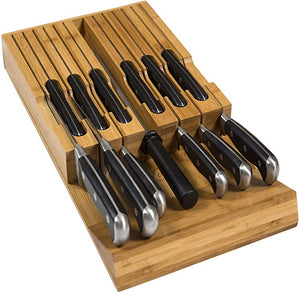
Store sharpened knives in a dedicated block, magnetic strip, or sheath. Avoid tossing them into a drawer where the edge can be damaged or where you might reach in and cut yourself. If you’re sharpening multiple knives, keep finished blades separate from those waiting to be sharpened.
For ongoing care and maintenance, consider reading about knife sharpening knife care tips to keep your blades in top condition and minimize the need for frequent sharpening.
Common Mistakes and How to Avoid Them
Many injuries occur due to rushing, improper technique, or neglecting safety steps. Here are some frequent mistakes and how to prevent them:
- Sharpening on an unstable surface: Always secure your workspace before starting.
- Using too much force: Let the sharpening tool do the work; excessive pressure can cause slips.
- Neglecting to clean tools: Residue or moisture can make surfaces slippery and unpredictable.
- Not paying attention: Stay focused and avoid multitasking during sharpening.
By recognizing these pitfalls, you can sharpen knives more safely and effectively.
Choosing the Right Tools for Safer Sharpening
The type of sharpener you use can influence your safety. Manual tools like whetstones and honing rods offer control but require skill and attention. Electric sharpeners are convenient but must be used according to the manufacturer’s instructions to avoid accidents. If you’re unsure which method is best for you, this comprehensive guide to sharpening kitchen knives provides detailed comparisons and safety tips.
Guided sharpening systems are another excellent option for those seeking extra security. These devices help maintain a consistent angle and often include safety features to protect your hands during use. For more on these systems, check out the article on knife sharpening using guided systems.
Maintaining a Safe Routine
Developing a consistent routine is one of the most effective knife sharpening safety precautions. Always inspect your tools before and after use, keep your workspace organized, and store blades properly. Regular maintenance not only extends the life of your knives but also reduces the risk of accidents over time.
Consider keeping a first aid kit nearby, especially if you’re new to sharpening. Even with the best precautions, minor nicks can happen, and prompt care will prevent more serious issues.
FAQ: Knife Sharpening Safety
What should I do if I accidentally cut myself while sharpening a knife?
If you sustain a minor cut, wash the wound with soap and water, apply pressure to stop bleeding, and cover it with a clean bandage. For deeper cuts, seek medical attention promptly. Keeping a first aid kit nearby is always a good idea when working with sharp objects.
Is it safer to use an electric sharpener or a manual method?
Both methods can be safe if used correctly. Electric sharpeners are often easier and faster, but always follow the manufacturer’s instructions and never insert your fingers into the sharpening slots. Manual methods like whetstones offer more control but require careful technique. Beginners may find guided systems to be the safest option.
How often should I sharpen my kitchen knives to maintain safety?
Sharpen your knives when you notice a decrease in performance, such as difficulty slicing or increased force needed. Regular honing can extend the time between sharpenings. Over-sharpening can wear down the blade, so focus on maintenance and proper storage for long-term safety.
Conclusion
Adopting the right knife sharpening safety precautions transforms a potentially hazardous task into a routine part of kitchen maintenance. By preparing your workspace, using protective gear, following correct techniques, and choosing the right tools, you can keep your knives sharp and your hands safe. For more in-depth advice on ongoing care, the knife sharpening maintenance guide offers valuable insights for every skill level.
This article contains affiliate links. We may earn a commission at no extra cost to you.