


 (858) 333-1035 Sales@knives.shop
 Sharp steak knives make every meal more enjoyable, allowing you to slice through your favorite cuts of meat with ease. Over time, even the best blades lose their edge, leading to frustration at the dinner table. Learning how to sharpen steak knives is a practical skill that keeps your kitchen tools in top shape and extends their lifespan.
Whether your knives are straight-edged or have serrations, restoring their sharpness is straightforward with the right approach. This guide covers the best techniques, recommended tools, and essential tips to help you maintain razor-sharp steak knives at home. For those interested in understanding blade angles and their effect on sharpness, check out knife sharpening angles explained for a deeper dive.
Understanding Steak Knife Edges
Before diving into sharpening techniques, it's important to identify the type of edge your steak knives have. Most fall into two categories:
- Straight-edged knives: Feature a smooth blade, similar to a chef’s knife. These are easy to sharpen using standard methods.
- Serrated knives: Have a toothed or scalloped edge. These require a different approach, as the serrations need special attention.
Knowing your knife’s edge type ensures you use the correct sharpening technique, preserving the blade’s performance and longevity.
Essential Tools for Sharpening
Having the right tools makes the process of how to sharpen steak knives efficient and safe. Here are the most common options:
- Sharpening stones (whetstones): Ideal for straight-edged blades, offering precise control over the sharpening angle.
- Manual pull-through sharpeners: Convenient for quick touch-ups, especially for non-serrated knives.
- Electric sharpeners: Provide consistent results with minimal effort. Some models are designed to handle both straight and serrated edges.
- Ceramic honing rods: Useful for maintaining an edge between full sharpenings.
- Serrated knife sharpeners: These are tapered rods or files specifically designed to fit into the grooves of serrated blades.
For a comprehensive overview of electric models, see electric knife sharpeners explained.
Step-by-Step: Sharpening Straight-Edged Steak Knives
Maintaining a keen edge on straight-bladed steak knives is straightforward. Follow these steps for effective results:
- Soak the whetstone (if using a water stone) for about 10 minutes, or prepare your sharpening tool as directed.
- Set the correct angle. Most steak knives perform best with a 15–20 degree angle. For more on this, refer to the earlier link on blade angles.
- Draw the blade across the stone from heel to tip, maintaining steady pressure and angle. Repeat 5–10 times per side.
- Alternate sides to ensure an even edge.
- Rinse and dry the knife thoroughly after sharpening to prevent rust.

How to Sharpen Serrated Steak Knives
Serrated blades require a different approach, as their unique edge can be damaged by traditional methods. Here’s how to keep them sharp:
- Use a tapered sharpening rod or a ceramic file designed for serrated knives.
- Insert the rod into each serration and gently move it back and forth, following the original angle of the groove.
- Work slowly to avoid altering the shape of the serrations.
- Repeat on each groove along the blade.
- Lightly hone the flat side of the blade to remove any burrs.
For more detailed techniques, see how to sharpen serrated knives.
Tips for Maintaining Sharpness
Keeping your steak knives sharp isn’t just about the sharpening process. Proper care and maintenance go a long way:
- Hand wash knives instead of using the dishwasher, which can dull blades quickly.
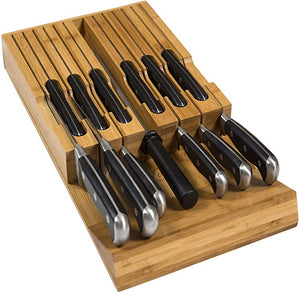
- Store knives properly in a block, on a magnetic strip, or with blade guards to prevent accidental dulling.
- Use a honing rod regularly to realign the edge between sharpenings.
- Avoid cutting on hard surfaces like glass or stone, which can damage the blade.
- Sharpen as needed; don’t wait until the knife is completely dull.
For more advice on keeping your blades in top condition, see how to maintain knife edges.
Choosing the Right Sharpening Method for Your Needs
Deciding which sharpening method is best depends on your knife type, skill level, and available tools. Here’s a quick comparison:
| Method | Best For | Skill Level | Notes |
|---|---|---|---|
| Whetstone | Straight-edged knives | Intermediate | Offers precision, requires practice |
| Manual Sharpener | Straight-edged knives | Beginner | Quick and easy, less precise |
| Electric Sharpener | Both types (some models) | Beginner | Fast, consistent results |
| Serrated Rod | Serrated knives | Intermediate | Targets individual serrations |
If you want a step-by-step breakdown for kitchen knives in general, see this comprehensive guide to sharpening kitchen knives.
Common Mistakes to Avoid
Sharpening steak knives is simple, but there are a few pitfalls to watch out for:
- Using the wrong angle: This can lead to a dull or uneven edge. Refer to guides on blade angles for best results.
- Applying too much pressure: Excess force can damage the blade or remove too much material.
- Neglecting serrations: Serrated blades need special care—don’t use flat stones on them.
- Skipping regular maintenance: Waiting too long between sharpenings makes the process harder and shortens knife life.
When to Replace Instead of Sharpen
Even with the best care, steak knives eventually wear out. Signs it’s time to replace include:
- Deep chips or cracks in the blade
- Extensive rust or corrosion
- Serrations that are worn smooth
- Blades that no longer hold an edge after sharpening
In these cases, investing in a new set will restore your dining experience and ensure safety at the table.
Frequently Asked Questions
How often should I sharpen my steak knives?
For home use, sharpening every 3–6 months is usually sufficient. However, frequency depends on how often you use them and the type of foods you cut. Regular honing can extend the time between full sharpenings.
Can I use an electric sharpener on serrated steak knives?
Some electric sharpeners are designed for serrated blades, but not all. Always check the manufacturer’s instructions. For best results, use a tapered rod or a sharpener specifically made for serrated edges.
Is it safe to sharpen knives at home?
Yes, as long as you follow proper safety precautions and use the right tools. Always keep your fingers away from the blade, work slowly, and ensure your sharpening surface is stable. Beginners may find manual or electric sharpeners easier and safer to use than whetstones.
What’s the difference between honing and sharpening?
Honing realigns the blade’s edge without removing material, while sharpening grinds away metal to create a new edge. Regular honing keeps knives sharp longer, but sharpening is necessary when the blade becomes dull.
How do I know if my steak knife is sharp enough?
A sharp knife should easily slice through a tomato or piece of paper without tearing. If you notice resistance or the blade slips, it’s time to sharpen.