


 (858) 333-1035 Sales@knives.shop
 Keeping your knives sharp is essential for safe, efficient, and enjoyable food preparation. A well-maintained edge not only improves cutting performance but also extends the lifespan of your blades. This knife sharpening maintenance guide provides practical advice and step-by-step instructions to help you achieve and maintain razor-sharp edges on your kitchen or outdoor knives.
Whether you’re a home cook, professional chef, or outdoor enthusiast, understanding the fundamentals of blade care will make a noticeable difference in your daily tasks. Before diving into the details, consider reviewing related topics like knife sharpening sharpening frequency to determine how often your knives need attention.
Why Regular Blade Maintenance Matters
Sharp knives are safer and more precise. Dull blades require more force, increasing the risk of slips and injuries. Routine care ensures your knives remain effective and reduces the need for aggressive sharpening that can wear down the blade prematurely.
- Efficiency: A sharp edge slices cleanly, saving time and effort.
- Longevity: Regular upkeep prevents excessive metal removal and extends the knife’s life.
- Safety: Well-maintained knives are less likely to cause accidents.
For those interested in advanced techniques, topics like knife sharpening using leather strops can further refine your edge after basic sharpening.
Essential Tools for Knife Care
Having the right equipment is key to effective blade maintenance. Here are the most common tools used for keeping your knives in top condition:
- Sharpening Stones: Also known as whetstones, these come in various grits for coarse or fine sharpening.
- Honing Rods: Used to realign the edge between sharpening sessions.
- Manual and Electric Sharpeners: Devices that simplify the process, especially for beginners.
- Guided Sharpening Systems: Offer consistent angles and are ideal for those seeking precision. Learn more about these systems in the knife sharpening using guided systems article.
Choose the tools that best fit your skill level and the types of knives you own.

Step-by-Step Knife Edge Maintenance
Maintaining a sharp edge involves several key steps. Follow this structured approach for reliable results:
1. Cleaning the Blade
Before sharpening, always clean your knife with warm, soapy water and dry it thoroughly. Residue or moisture can interfere with the sharpening process and damage your tools.
2. Assessing Sharpness
Check the blade’s condition by slicing through a sheet of paper or gently running your thumb perpendicular to the edge (never along the edge). If the knife struggles or feels dull, it’s time to sharpen.
3. Sharpening with Stones or Devices
Use a sharpening stone or a device suited to your knife. For stones, start with a coarse grit to restore the edge, then progress to finer grits for polishing. Maintain a consistent angle—typically 15–20 degrees for kitchen knives. Guided systems can help ensure accuracy.
For a detailed walkthrough, refer to this comprehensive guide on sharpening a kitchen knife that covers both manual and electric methods.

4. Honing and Edge Finishing
After sharpening, use a honing rod to realign the edge. This step is crucial for maintaining sharpness between full sharpening sessions. For a mirror finish and extra refinement, consider techniques described in knife sharpening edge finishing.
5. Testing and Cleaning Up
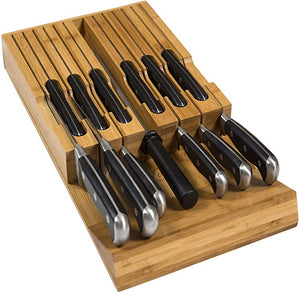
Test the sharpness again with the paper test or by slicing a tomato. Once satisfied, clean the blade to remove any metal filings or debris. Store your knife in a block, sheath, or on a magnetic strip to protect the edge.
Common Mistakes to Avoid
- Using the Wrong Angle: Inconsistent angles lead to uneven edges. Guided systems can help maintain the correct angle.
- Skipping Grits: Jumping from coarse to fine too quickly leaves a rough edge. Progress through each grit for best results.
- Neglecting Regular Maintenance: Waiting until the knife is very dull makes sharpening harder and wears down the blade faster.
- Improper Storage: Tossing knives in a drawer can damage the edge. Use proper storage solutions.
How Often Should You Sharpen?
The frequency depends on how often you use your knives and what you cut. As a general rule, hone your knives after every few uses and sharpen them when honing no longer restores the edge. For more detailed guidance, see the knife sharpening sharpening frequency resource.
Advanced Tips for Knife Longevity
- Use a Cutting Board: Always cut on wood or plastic boards. Hard surfaces like glass or stone dull blades quickly.
- Hand Wash Only: Dishwashers can damage both the blade and handle. Wash and dry knives by hand.
- Regular Honing: Frequent honing keeps the edge aligned and reduces the need for full sharpening.
- Angle Correction: If your knife’s edge becomes uneven, refer to knife sharpening angle correction for techniques to restore the proper bevel.
Frequently Asked Questions
How do I know if my knife needs sharpening or just honing?
If your knife feels dull or struggles to cut through soft foods, try honing first. If it still doesn’t perform well, it’s time for sharpening. Honing realigns the edge, while sharpening removes metal to create a new edge.
Can I use an electric sharpener on all types of knives?
Electric sharpeners are convenient for most kitchen knives but may not be suitable for specialty blades like serrated or Japanese knives. Always check the manufacturer’s recommendations and use manual methods for delicate or high-end knives.
What’s the best way to maintain a razor-sharp edge between sharpenings?
Regular honing and proper storage are key. Use a honing rod after every few uses and avoid cutting on hard surfaces. For extra sharpness, finish your edge with a leather strop as described in advanced maintenance guides.
By following the steps and tips in this comprehensive guide, you’ll keep your knives sharp, safe, and ready for any task. Consistent care not only improves performance but also preserves your investment for years to come.
This article contains affiliate links. We may earn a commission at no extra cost to you.