


 (858) 333-1035 Sales@knives.shop
 Keeping your kitchen knives sharp is essential for safe, efficient, and enjoyable cooking. Yet, many home cooks and even professionals wonder how often they should sharpen their knives. The answer depends on several factors, including how frequently you use your knives, the type of steel, and the sharpening methods you prefer. This guide will help you understand the best practices for maintaining optimal blade sharpness, so you can cut with confidence every time.
Whether you use a chef’s knife daily or only bring out your blades for special occasions, understanding knife sharpening sharpening frequency is key to prolonging the life of your tools and ensuring peak performance. Regular maintenance not only improves cutting precision but also reduces the risk of accidents caused by dull edges.
For those interested in exploring specific sharpening techniques, you might find our article on knife sharpening with oil stones especially helpful. It covers traditional methods and offers practical advice for getting the most out of your sharpening routine.
Understanding How Often to Sharpen Your Knives
There is no universal rule for how frequently you should sharpen kitchen knives, but there are general guidelines that can help. The main factors influencing knife sharpening sharpening frequency include:
- Usage: Knives used daily for meal prep will dull faster than those used occasionally.
- Blade Material: Harder steels hold an edge longer but may be more challenging to sharpen.
- Cutting Surface: Cutting on wood or plastic boards is gentler on blades than glass or stone surfaces.
- Maintenance Habits: Regular honing can extend the time between sharpening sessions.
As a rule of thumb, home cooks who use their knives several times a week should sharpen them every 2–3 months. Professional chefs or those who cook daily may need to sharpen monthly or even more often. Occasional users can often go 6–12 months between sharpening sessions, provided they hone their blades regularly.
Signs Your Knife Needs Sharpening
Rather than relying solely on a calendar, it’s best to pay attention to how your knife performs. Here are some clear indicators that your blade is due for a tune-up:
- The knife struggles to slice through tomatoes or other soft produce.
- You notice more slipping or crushing than clean cuts.
- It takes extra force to chop, dice, or mince ingredients.
- The blade no longer passes the “paper test” (slicing cleanly through a sheet of paper).
When you notice these issues, it’s time to sharpen. Regular honing with a steel can help maintain the edge between sharpening sessions, but it won’t restore a truly dull blade.

Sharpening Methods and Their Impact on Frequency
The technique you use to sharpen your knives can affect how often you need to repeat the process. Here’s a quick overview of common methods and their influence on knife sharpening sharpening frequency:
- Manual Pull-Through Sharpeners: Convenient and fast, but can remove more metal than necessary. See our guide on knife sharpening with manual pull-through for best practices.
- Oil Stones: Offer precise control and are gentle on blades. Learn more in our article about knife sharpening with oil stones.
- Water Stones: Popular for fine-tuning and achieving a razor-sharp edge. For details, check out knife sharpening using water stones.
- Diamond Stones: Extremely effective for hard steels and quick sharpening. See our post on knife sharpening using diamond stones.
- Ceramic Stones: Ideal for finishing and maintaining a polished edge. More on this in knife sharpening using ceramic stones.
Using gentler methods like oil or water stones can extend the life of your knives and reduce how often you need to sharpen. Aggressive tools or improper technique can wear down the blade faster, increasing the need for frequent sharpening.
Honing vs. Sharpening: What’s the Difference?
Many people confuse honing with sharpening, but they serve different purposes. Honing realigns the microscopic teeth on the edge of the blade, keeping it straight and effective. Sharpening, on the other hand, removes metal to create a new edge. Regular honing can help you go longer between sharpening sessions, but it cannot fix a truly dull knife.
For most home cooks, honing once a week and sharpening every 2–3 months is a good starting point. Adjust your routine based on how your knives feel and perform.

Tips for Maintaining Sharp Knives Between Sharpenings
To maximize the time between sharpening sessions, follow these practical tips:
- Use a honing steel regularly to keep the edge aligned.
- Always cut on wood or plastic boards, never glass or stone.
- Hand wash knives and dry them immediately to prevent corrosion.
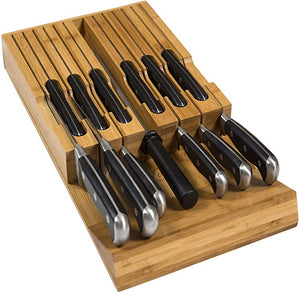
- Store knives in a block, on a magnetic strip, or in blade guards to protect the edge.
- Avoid using knives to cut frozen foods or bones unless the blade is designed for it.
Adopting these habits can help preserve your blade’s sharpness and reduce the need for frequent sharpening.
Expert Advice and Additional Resources
If you’re new to sharpening or want to refine your technique, there are many helpful resources available. For a detailed walkthrough on sharpening methods, check out the step-by-step guide to sharpening knives on Serious Eats. This resource covers everything from selecting the right tools to achieving a professional-quality edge at home.
Frequently Asked Questions
How do I know when my knife needs sharpening?
Common signs include difficulty slicing through soft foods, the need for extra force, or the blade failing the paper test. If honing no longer restores the edge, it’s time to sharpen.
Can I sharpen my knives too often?
Yes, sharpening removes a small amount of metal each time. Over-sharpening can shorten the lifespan of your knives. Sharpen only when performance declines, and hone regularly to maintain the edge.
What’s the difference between honing and sharpening?
Honing realigns the blade’s edge without removing metal, while sharpening grinds away steel to create a new edge. Both are important for maintaining knife performance, but they serve different purposes.
Which sharpening method is best for my knives?
The ideal method depends on your knife’s steel, your experience, and your preferences. Water stones and oil stones are gentle and precise, while diamond stones and pull-through sharpeners offer speed and convenience. Explore our guides on water stones and diamond stones for more details.
How often should I hone my knives?
For most home cooks, honing once a week is sufficient. If you use your knives heavily, you may want to hone before each use.
By understanding the factors that influence knife sharpening sharpening frequency and adopting smart maintenance habits, you’ll keep your blades in top condition for years to come. Regular care ensures safer, more enjoyable cooking and extends the life of your favorite kitchen tools.
This article contains affiliate links. We may earn a commission at no extra cost to you.