


 (858) 333-1035 Sales@knives.shop
 Maintaining a sharp knife is essential for safe and efficient food preparation, especially for those who use their right hand as the dominant hand. Understanding the nuances of knife sharpening for right-handed users can help you achieve a keener edge, reduce fatigue, and improve your overall kitchen experience. This guide covers the best techniques, tools, and tips tailored specifically for right-handed individuals, ensuring that your blades are always ready for action.
Whether you’re a home cook or a professional chef, knowing how to properly hone and sharpen your knives can make a noticeable difference in performance. Right-handed users often face unique challenges, such as maintaining the correct angle and pressure during sharpening. By following the advice below, you’ll be able to keep your knives in top condition and extend their lifespan.
For those looking to streamline their sharpening process, you might also benefit from learning about how to sharpen knives with minimal effort, which offers additional practical insights for all skill levels.
Why Sharpening Techniques Matter for Right-Handed Individuals
Sharpening a knife is not just about restoring its edge; it’s about doing so in a way that complements your dominant hand. Right-handed users tend to apply pressure differently and may find certain angles more natural. This can affect the consistency of the edge and the longevity of the blade. By focusing on methods optimized for right-handed use, you can achieve a more uniform and sharper result.
Many sharpening tools, such as whetstones and guided systems, are designed with ambidextrous use in mind. However, subtle adjustments in grip, movement, and pressure can make a significant difference for those who favor their right hand. Paying attention to these details helps avoid uneven sharpening and ensures that the knife performs at its best.
Essential Tools for Effective Sharpening
Choosing the right equipment is the first step toward mastering knife sharpening for right-handed users. Here are some of the most effective tools:
- Whetstones: Offer precise control and are ideal for those who want to fine-tune their technique. They require practice but deliver excellent results.
- Electric Sharpeners: Great for quick and consistent sharpening, especially if you handle multiple knives regularly. Look for models that accommodate right-handed operation comfortably.
- Sharpening Rods (Honing Steels): Useful for maintaining an edge between full sharpenings. They’re easy to use and help prolong the life of your knives.
- Guided Sharpening Systems: These tools help maintain the correct angle and are particularly helpful for beginners or those seeking repeatable results.
For a deeper dive into professional-grade equipment, check out resources like knife sharpening tools for pros to explore advanced options.

Step-by-Step Sharpening Process for Right-Handed Users
To achieve a razor-sharp edge, follow these steps tailored for right-handed individuals:
- Secure the Knife: Place the blade on the sharpening surface with the edge facing away from you. Hold the handle firmly with your right hand and stabilize the blade with your left if needed.
- Set the Angle: Most kitchen knives require a sharpening angle between 15 and 20 degrees. For right-handed users, it’s often easier to maintain this angle by visualizing the blade’s tilt and practicing consistent movement.
- Sharpen the First Side: Using your right hand, draw the blade across the stone or through the sharpener, starting at the heel and moving toward the tip. Apply even pressure and repeat the motion several times.
- Switch Sides: Flip the knife and repeat the process on the other side. Ensure that you’re maintaining the same angle and pressure for a balanced edge.
- Test the Edge: Carefully check the sharpness by slicing through a piece of paper or a tomato. If the blade doesn’t cut cleanly, repeat the sharpening process as needed.
For more tips on achieving an even edge, you can refer to how to sharpen knives evenly, which provides detailed guidance on balancing both sides of the blade.
Common Mistakes to Avoid
Even experienced cooks can make errors when sharpening knives. Here are some pitfalls to watch out for:
- Inconsistent Angle: Changing the angle during sharpening leads to a dull or uneven edge. Practice maintaining a steady tilt, especially with your dominant hand.
- Excessive Pressure: Pressing too hard can damage the blade or the sharpening tool. Use moderate, controlled force for best results.
- Neglecting the Burr: Failing to remove the burr (a tiny metal edge that forms during sharpening) can result in a less effective blade. Always finish by gently honing both sides.
- Skipping Maintenance: Regular honing between sharpenings keeps your knives performing well and reduces the need for frequent full sharpening sessions.

Sharpening Different Types of Knives
Not all knives are created equal, and some require special attention during the sharpening process. Here’s how to approach various types:
- Chef’s Knives: These versatile blades benefit from a 15–20 degree angle. Use long, smooth strokes for even sharpening.
- Serrated Knives: Use a specialized rod or tool designed for serrated edges. Focus on the individual teeth, working from heel to tip.
- Japanese Knives: Many Japanese blades are single-beveled and may have a right-handed bias. Follow the manufacturer’s instructions for the correct angle and technique.
- Paring and Utility Knives: These smaller blades are easier to control, but still require attention to angle and pressure.
If you’re interested in traditional methods, you might enjoy reading about how to sharpen knives on a flat stone for a hands-on approach.
Maintaining Your Edge: Honing and Storage Tips
Sharpening is only part of the equation. Proper maintenance ensures your knives stay sharp longer:
- Regular Honing: Use a honing steel every few uses to realign the edge and prevent dullness.
- Proper Cleaning: Wash knives by hand and dry them immediately to avoid corrosion.
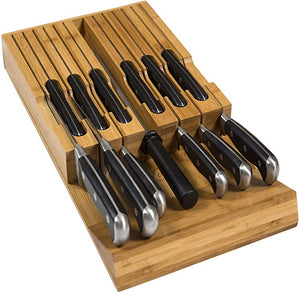
- Safe Storage: Store knives in a block, magnetic strip, or blade guard to protect the edge and prevent accidents.
For a comprehensive overview of the sharpening process, including visual guides and troubleshooting, visit this step-by-step knife sharpening tutorial from a trusted knife manufacturer.
Frequently Asked Questions
What angle should right-handed users use when sharpening kitchen knives?
Most kitchen knives perform best when sharpened at an angle between 15 and 20 degrees. Right-handed users should focus on maintaining a consistent angle by using their dominant hand to guide the blade smoothly across the sharpening surface.
How often should I sharpen my knives if I use them daily?
For daily use, it’s recommended to hone your knives every few uses and perform a full sharpening every 1–2 months, depending on how frequently you cook and the types of foods you prepare.
Are electric sharpeners suitable for right-handed users?
Yes, many electric sharpeners are designed to be user-friendly for both right- and left-handed individuals. Look for models with clear guides and ergonomic designs to ensure comfortable and effective sharpening.
Can I use the same sharpening technique for all types of knives?
While the basic principles are similar, certain knives—such as serrated or single-bevel Japanese blades—require specialized techniques or tools. Always check the manufacturer’s recommendations for best results.
Conclusion
Mastering knife sharpening for right-handed users is a valuable skill that enhances safety, efficiency, and enjoyment in the kitchen. By selecting the right tools, practicing proper technique, and maintaining your blades regularly, you’ll ensure that your knives remain sharp and reliable for years to come. Explore additional resources and keep refining your skills to get the most out of every meal preparation.
This article contains affiliate links. We may earn a commission at no extra cost to you.