


 (858) 333-1035 Sales@knives.shop
 Keeping your kitchen blades sharp doesn’t have to be a time-consuming or complicated process. With the right approach and a few practical tools, anyone can maintain razor-sharp edges on their knives with very little hassle. In this guide, you’ll discover how to sharpen knives with minimal effort, including the best techniques, tools, and tips for achieving a keen edge quickly and efficiently.
Whether you’re a home cook or a professional, a sharp knife is essential for safe and precise cutting. Dull blades not only make food prep more difficult but also increase the risk of accidents. Fortunately, modern sharpening solutions make it easier than ever to restore your knives to peak performance without spending hours at the sharpening stone.
For those interested in more advanced techniques, you may want to explore how to sharpen knives evenly for a consistent edge.
Why Sharp Knives Matter in Everyday Cooking
Sharp knives are more than just a convenience—they’re a necessity for anyone who values efficiency and safety in the kitchen. A properly honed blade glides through food with less force, reducing the likelihood of slips and accidents. Additionally, sharp edges make it easier to achieve clean, precise cuts, which is especially important for delicate ingredients like herbs, fish, or tomatoes.
When you understand how to sharpen knives with minimal effort, you’ll spend less time struggling with dull blades and more time enjoying the cooking process. Maintaining sharpness also extends the lifespan of your knives, as you’ll avoid the excessive force that can cause chips or bends in the blade.
Choosing the Right Sharpening Tools for Easy Maintenance
One of the keys to effortless knife care is selecting the right sharpening tool. There are several options available, each with its own advantages:
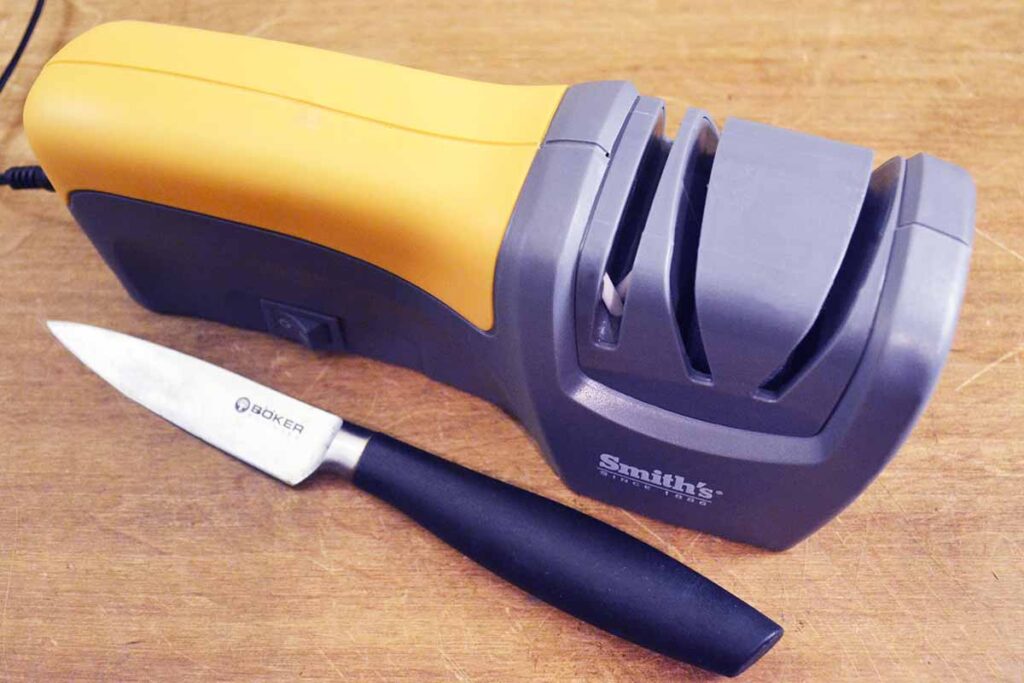
- Electric sharpeners: These devices automate the sharpening process, making it fast and straightforward. Simply pull the blade through the slots, and the machine does the rest.
- Pull-through sharpeners: Manual versions of electric sharpeners, these are compact and easy to use. They’re ideal for quick touch-ups.
- Sharpening stones: While traditional, stones require more skill and time. However, they offer the most control for those willing to learn.
- Honing rods: These are best for maintaining an edge between sharpenings rather than restoring a dull blade.
For most people seeking a low-effort solution, electric or pull-through sharpeners are the best choice. They deliver reliable results with minimal technique required.
Step-by-Step: Quick and Simple Knife Sharpening Methods
To achieve a sharp edge with minimal effort, follow these straightforward steps using an electric or pull-through sharpener:
- Clean your knife before sharpening to remove any food residue or oils.
- Read the sharpener’s instructions to ensure proper use and safety.
- Insert the blade into the designated slot, starting at the heel and pulling it smoothly toward the tip. Apply gentle, even pressure.
- Repeat as recommended—usually 2–4 passes per side is sufficient for most home sharpeners.
- Wipe the blade clean after sharpening to remove any metal filings.
- Test the sharpness by slicing through a sheet of paper or a tomato. If it cuts cleanly, you’re done!
For those who prefer traditional methods, using a sharpening stone can yield excellent results. However, this approach requires more practice and patience. If you want to learn more about using stones, check out this resource on sharpening knives on a flat stone.
Maintaining Your Edge: Tips for Long-Lasting Sharpness
Once you’ve restored your blade’s edge, a few simple habits will keep it sharp for longer:
- Use a honing rod regularly to realign the edge between sharpenings.
- Cut on soft surfaces like wood or plastic, not glass or stone, to avoid dulling the blade.
- Hand wash and dry your knives immediately after use to prevent corrosion.
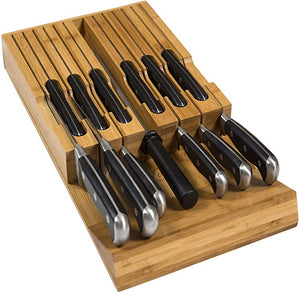
- Store knives properly in a block, on a magnetic strip, or with blade guards to protect the edge.
By following these tips, you’ll minimize the frequency of full sharpenings and keep your knives in top condition with little effort.
Common Mistakes to Avoid When Sharpening Blades
Even with the best tools, certain habits can undermine your efforts to keep knives sharp. Here are some pitfalls to watch out for:
- Using too much pressure: Let the sharpener do the work. Excess force can damage the edge.
- Sharpening at the wrong angle: Most kitchen knives are sharpened between 15–20 degrees. Using the wrong angle can result in a dull or uneven edge. For more on this, see the knife sharpening angle guide.
- Neglecting regular maintenance: Waiting until the blade is very dull makes sharpening harder and less effective.
- Improper cleaning: Failing to clean the blade after sharpening can leave metal particles that affect food and blade quality.
By steering clear of these errors, you’ll ensure your sharpening efforts are both effective and long-lasting.
Expert Advice and Further Resources
If you’re interested in a deeper dive into blade care, there are many excellent resources available. For a comprehensive overview of sharpening techniques, see this step-by-step guide to sharpening knives from a trusted culinary authority. For those who want to sharpen blades quickly, you might also enjoy this article on how to sharpen knives quickly.
Professional chefs often rely on specialized equipment for the best results. If you’re considering upgrading your toolkit, learn more about knife sharpening tools for pros to see what’s available.
Frequently Asked Questions
What is the easiest way to keep my kitchen knives sharp?
Using an electric or pull-through sharpener is the most straightforward method for most people. These tools require minimal skill and deliver fast, consistent results. Regular honing with a rod will help maintain the edge between full sharpenings.
How often should I sharpen my knives?
For home cooks, sharpening every few months is usually sufficient, depending on usage. Honing should be done more frequently—ideally before each use—to keep the edge aligned and sharp.
Can I damage my knives by sharpening them incorrectly?
Yes, using too much pressure, the wrong angle, or poor-quality tools can harm your blades. Always follow the manufacturer’s instructions for your sharpener and use gentle, even strokes. If you’re unsure, consult guides or seek professional help.
Is it better to use a stone or an electric sharpener?
Both methods have their merits. Stones offer more control and can produce a finer edge but require more skill and time. Electric sharpeners are faster and easier for most users, making them ideal for those who want sharp knives with minimal effort.
This article contains affiliate links. We may earn a commission at no extra cost to you.