


 (858) 333-1035 Sales@knives.shop
 Maintaining a sharp kitchen knife is essential for safety, efficiency, and precision. For left-handed individuals, however, the process of sharpening blades can present unique challenges. Many sharpening tools and techniques are designed primarily for right-handed users, which can make it difficult to achieve an even edge or comfortable grip. This guide explores how to sharpen knives for left-handed users, highlighting practical tips, tool recommendations, and techniques tailored to left-handed needs.
Whether you’re a home cook or a professional chef, understanding the nuances of knife sharpening from a left-handed perspective can help you achieve better results and extend the life of your blades. If you’re looking for more general advice, you might also find value in learning how to sharpen knives with minimal effort, which covers foundational sharpening principles applicable to all users.
Understanding Knife Sharpening Challenges for Left-Handed Users
Most sharpening systems, from manual stones to guided devices, are engineered with right-handed operation in mind. This can lead to awkward hand positions, uneven sharpening, and even safety concerns for left-handed users. The main issues include:
- Bevel orientation: Some knives, especially Japanese styles, have asymmetrical bevels that favor right-handed use.
- Sharpening guides and jigs: Many are designed for right-hand operation, making it difficult to maintain a consistent angle with the left hand.
- Handle ergonomics: Certain sharpeners have grips or controls that are uncomfortable or less effective when used with the left hand.
Recognizing these challenges is the first step toward finding solutions that work for your dominant hand.
Choosing the Right Tools for Left-Handed Knife Sharpening
Selecting the appropriate sharpening equipment is crucial for left-handed users. Here are some options to consider:
- Double-beveled knives: Opt for blades with symmetrical edges, which are easier to sharpen evenly regardless of hand dominance.
- Ambidextrous sharpeners: Look for tools that can be comfortably used with either hand, such as flat whetstones or electric sharpeners with centered guides.
- Left-handed specific sharpeners: Some manufacturers produce sharpeners with reversed guides or handles designed for left-handed operation.
When selecting a tool, test the grip and angle control to ensure you can maintain a steady, consistent motion with your left hand. For more advanced users, learning how to sharpen knives evenly can further improve your results, regardless of the tool you choose.

Step-by-Step Guide: How Left-Handed Users Can Sharpen Knives
Sharpening knives as a left-handed person involves adapting standard techniques to suit your natural grip and movement. Here’s a practical approach:
- Secure your sharpening surface: Place your whetstone, rod, or sharpener on a stable, non-slip surface.
- Hold the knife in your dominant hand: Grasp the handle with your left hand, ensuring a firm but comfortable grip.
- Set the correct angle: For most kitchen knives, a 15–20 degree angle is ideal. Use your right hand to guide the blade if necessary, or invest in an angle guide that works for both hands.
- Sharpen evenly on both sides: Move the blade across the stone or through the sharpener, maintaining consistent pressure and angle. Repeat the motion on the opposite side to ensure an even edge.
- Test the sharpness: Carefully check the blade’s edge by slicing through paper or a soft vegetable. If needed, repeat the process for a finer edge.
For those who prefer guided systems, ensure the device allows for left-handed operation or can be adjusted accordingly. If you’re interested in alternative sharpening methods, sharpening knives on a flat stone is a versatile technique that works well for both left- and right-handed users.
Tips for Maintaining Sharp Knives as a Left-Handed Cook
Keeping your blades sharp is an ongoing process. Here are some maintenance tips tailored for left-handed users:
- Regular honing: Use a honing rod that’s comfortable for your dominant hand to realign the edge between sharpenings.
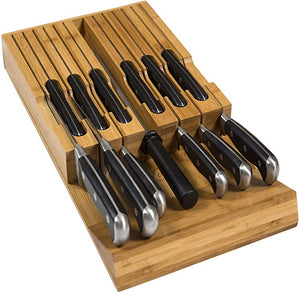
- Proper storage: Store knives in a block, sheath, or on a magnetic strip to prevent dulling and accidental nicks.
- Consistent technique: Develop a sharpening routine that feels natural for your left hand, and stick with it for best results.
- Use left-friendly tools: Whenever possible, choose kitchen tools and sharpeners designed for ambidextrous or left-handed use.
Consistency is key. Over time, you’ll develop muscle memory and confidence in your sharpening skills, resulting in safer and more enjoyable cooking experiences.

Common Mistakes to Avoid When Sharpening as a Left-Handed User
Even experienced cooks can make errors when adapting sharpening techniques for left-handed use. Here are some pitfalls to watch out for:
- Using right-handed-only tools: These can lead to uneven edges or even damage your knives.
- Inconsistent angle control: Switching hands or awkward grips can make it hard to maintain a steady angle.
- Neglecting the knife’s original bevel: Some blades are ground specifically for right-handed use; be aware of this before sharpening.
- Applying too much pressure: Excessive force can remove too much metal and shorten the blade’s lifespan.
To further refine your technique, consider learning from resources dedicated to expert knife sharpening methods that address different hand orientations and sharpening tools.
Recommended Sharpening Tools and Resources
Finding the right equipment can make all the difference. Here are some popular options:
- Electric sharpeners: Many models are ambidextrous and easy to use for left-handed cooks.
- Whetstones: Flat stones are universally accessible and allow for full control, regardless of hand dominance.
- Guided sharpening systems: Choose those with reversible or symmetrical guides.
- Professional services: If you’re unsure, a professional sharpener can restore your knife’s edge and advise on maintenance.
For those interested in advanced sharpening gear, check out guides on knife sharpening tools for pros to discover options that suit both left- and right-handed users.
FAQ: Knife Sharpening for Left-Handed Users
Are there knives specifically designed for left-handed users?
Yes, some manufacturers produce knives with left-handed bevels or ambidextrous handles. These are especially common in Japanese cutlery, where single-bevel blades are often available in left-handed versions. For most Western-style knives, double-beveled edges are suitable for both left- and right-handed users.
Can left-handed users use standard electric sharpeners?
Most electric sharpeners are designed to be ambidextrous, with slots positioned centrally for easy access from either side. However, always check the product description to ensure it’s comfortable for left-handed operation before purchasing.
What’s the best sharpening angle for left-handed cooks?
The ideal angle depends on the knife type. For most kitchen knives, a 15–20 degree angle is recommended. The key is to maintain a consistent angle on both sides of the blade, regardless of which hand you use.
How can I tell if my knife has a right-handed bevel?
Inspect the blade’s edge closely. If one side is noticeably flatter or more angled than the other, it may be a single-bevel knife intended for right-handed use. In such cases, look for left-handed versions or consult a professional for advice on sharpening.
Is it safe for left-handed users to sharpen knives with right-handed tools?
While it’s possible, it can be awkward and potentially unsafe. Using tools designed for ambidextrous or left-handed use will yield better, safer results and help you maintain control throughout the sharpening process.
Sharpening knives as a left-handed user doesn’t have to be frustrating. With the right tools, techniques, and a bit of practice, you can keep your blades in top condition and enjoy a safer, more efficient cooking experience.
This article contains affiliate links. We may earn a commission at no extra cost to you.