


 (858) 333-1035 Sales@knives.shop
 Maintaining a sharp edge on your pastry knives is essential for precision and efficiency in the kitchen. Whether you're slicing through delicate dough, trimming puff pastry, or scoring bread, a keen blade ensures clean cuts and helps preserve the integrity of your baked goods. Proper knife sharpening for pastry knives not only extends the life of your tools but also enhances safety and performance during baking tasks.
Pastry knives, with their fine edges and often flexible blades, require specific care compared to standard kitchen knives. Understanding the right sharpening techniques and maintenance routines can make a significant difference in your baking results. For those interested in learning about sharpening other specialty knives, you may also want to explore our guide on knife sharpening for meat knives.
Understanding Pastry Knives and Their Unique Edges
Pastry knives come in several forms, including offset spatulas, serrated blades, and straight-edged knives. Each type serves a distinct purpose, from spreading icing to slicing flaky croissants. The thin, sharp edge of these tools is designed for precision, but it can dull quickly if not maintained properly. Unlike heavier chef’s knives, pastry blades are more susceptible to nicks and require gentle, regular sharpening to keep them in top condition.
For those who also work with serrated knives, maintaining the edge is a slightly different process. You can find more details in our article on how to maintain serrated knife edges.
Why Sharpness Matters in Pastry Work
A dull pastry knife can crush delicate doughs, tear through cakes, and leave ragged edges on your baked creations. Sharp blades allow for smooth, controlled movements, which is especially important when working with laminated doughs or intricate decorations. Regular knife sharpening for pastry knives ensures that each cut is clean, reducing the risk of damaging your pastries and making your work more enjoyable.
Additionally, a well-honed knife is safer to use. Dull blades require more force, increasing the likelihood of slips and accidents. Keeping your pastry knives sharp is a simple step that can improve both the quality of your baking and your safety in the kitchen.
Essential Tools for Sharpening Pastry Knives
To maintain the edge on your pastry knives, you'll need the right sharpening tools. The most common options include:
- Whetstones: Offer precise control and are suitable for straight-edged pastry knives.
- Sharpening rods: Ideal for touch-ups and maintaining the edge between full sharpenings.
- Electric sharpeners: Provide quick results and are user-friendly, especially for those new to sharpening.
- Specialty sharpeners: Designed for serrated or offset blades, ensuring even the most unique pastry knives stay sharp.
Choosing the right tool depends on your knife type and your comfort level with sharpening techniques. For a comprehensive overview of sharpening kitchen knives, you can refer to this step-by-step guide to sharpening kitchen knives.
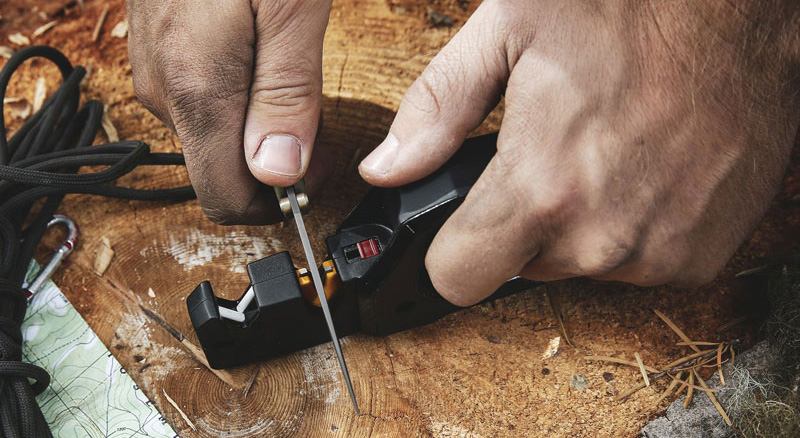
Step-by-Step: How to Sharpen Your Pastry Knives
Sharpening your pastry knives doesn’t have to be intimidating. Follow these steps to restore a fine edge and keep your tools in optimal condition:
- Clean the knife: Wash and dry your knife thoroughly before sharpening to remove any food residue.
- Select your sharpening method: For straight-edged knives, a whetstone or electric sharpener works well. Serrated or offset blades may require a rod or specialty tool.
- Set the angle: Most pastry knives benefit from a sharpening angle between 15 and 20 degrees. Hold the blade at this angle against the stone or sharpener.
- Sharpen the edge: Glide the blade across the sharpening surface, maintaining consistent pressure and angle. Repeat several times on each side.
- Test the sharpness: Carefully slice through a piece of paper or a soft pastry to check the edge. If it cuts cleanly, your knife is ready.
- Hone and finish: Use a honing rod to align the edge and remove any burrs. Wipe the blade clean before use.
For troubleshooting common sharpening issues, our knife sharpening troubleshooting guide offers practical solutions.
Frequency: How Often Should You Sharpen Pastry Knives?
The frequency of sharpening depends on how often you use your knives and the types of tasks you perform. Professional bakers may need to sharpen their pastry knives weekly, while home bakers can often maintain a sharp edge with monthly touch-ups. Regular honing between sharpenings helps preserve the blade and reduces the need for frequent grinding.
Pay attention to how your knife feels during use. If it starts to drag, crush, or tear instead of slicing cleanly, it’s time for a sharpening session. Consistent maintenance ensures your pastry knives are always ready for precise work.

Best Practices for Maintaining Pastry Knife Edges
In addition to regular sharpening, adopting good maintenance habits will prolong the life of your pastry knives:
- Hand wash only: Avoid dishwashers, which can dull and damage fine blades.
- Store properly: Use a knife block, magnetic strip, or blade guard to protect the edge.
- Use the right cutting surface: Opt for wooden or plastic boards instead of glass or marble, which can dull blades quickly.
- Hone regularly: A few passes on a honing rod after each use keeps the edge aligned and sharp.
By following these tips, you’ll ensure your pastry knives remain sharp and ready for every baking project. If you’re interested in sharpening other specialty knives, our guide on how to sharpen fishing knives provides additional insights.
Common Mistakes to Avoid When Sharpening Pastry Knives
Even experienced bakers can make mistakes when caring for their knives. Here are some pitfalls to watch out for:
- Using the wrong angle: Sharpening at too steep or too shallow an angle can damage the blade or leave it dull.
- Skipping honing: Failing to hone after sharpening can result in a rough, uneven edge.
- Applying too much pressure: Excessive force can wear down the blade and reduce its lifespan.
- Neglecting regular maintenance: Waiting until the knife is very dull makes sharpening more difficult and less effective.
Staying mindful of these common errors will help you achieve the best results and keep your pastry knives performing at their best.
FAQ
Can I use an electric sharpener for all types of pastry knives?
Electric sharpeners are suitable for most straight-edged pastry knives and can be very convenient. However, for serrated or offset blades, it's best to use a sharpening rod or a tool specifically designed for those edges to avoid damaging the unique serrations or blade shape.
How do I know when my pastry knife needs sharpening?
If you notice your knife dragging, crushing, or tearing dough and pastries instead of slicing cleanly, it's a sign the blade has dulled. Regularly testing the edge on a piece of paper or a soft pastry can help you determine when sharpening is needed.
Is it safe to sharpen pastry knives at home?
Yes, with the right tools and techniques, sharpening pastry knives at home is safe and effective. Always follow manufacturer instructions for your sharpening equipment and maintain a steady hand to prevent accidents. If you're unsure, consider professional sharpening services for your most delicate blades.
This article contains affiliate links. We may earn a commission at no extra cost to you.