


 (858) 333-1035 Sales@knives.shop
 Keeping your meat knives sharp is essential for safe, efficient, and precise cutting in the kitchen. Whether you’re preparing steaks, trimming roasts, or slicing brisket, a well-honed blade makes all the difference. This guide covers the essentials of knife sharpening for meat knives, including the best tools, techniques, and maintenance tips to help you achieve razor-sharp results every time.
Properly sharpened meat knives not only improve your cutting experience but also help preserve the quality of your ingredients. Dull blades can tear meat fibers, leading to uneven cuts and unnecessary effort. By understanding the right sharpening methods and how to maintain your knives, you’ll extend their lifespan and enhance your cooking.
For those interested in learning about blade care for different types of knives, you may also find value in our knife sharpening troubleshooting guide, which addresses common issues and solutions.
Why Sharp Meat Knives Matter
Sharp meat knives are crucial for several reasons. First, they allow for clean, precise cuts that help retain the texture and flavor of your meat. Second, a sharp blade reduces the risk of accidents—dull knives require more force and are more likely to slip. Finally, keeping your knives sharp means less wear and tear on the blade, preserving their quality for years to come.
- Efficiency: Slicing through meat becomes effortless, saving time and energy.
- Safety: Sharp blades are less likely to slip, reducing the risk of injury.
- Food Quality: Clean cuts help maintain the integrity of your meat, resulting in better presentation and taste.
Choosing the Right Sharpening Tools for Meat Knives
There are several effective tools for knife sharpening for meat knives. The best choice depends on your experience level, the type of blade, and your personal preferences. Here are the most common options:
- Whetstones: Offer precise control and can sharpen a variety of blade types. They require some practice but deliver excellent results.
- Manual Sharpeners: Easy to use and suitable for quick touch-ups. Great for beginners or those who want a straightforward solution.
- Electric Sharpeners: Fast and convenient, these devices are ideal for busy kitchens or anyone looking for consistent results with minimal effort.
- Honing Rods: Used to realign the blade edge between sharpening sessions, keeping your knives in peak condition.
For more information on selecting and using different sharpening tools, check out this comprehensive guide to knife sharpening techniques.
Step-by-Step Guide to Sharpening Meat Knives
Sharpening your meat knives doesn’t have to be complicated. Follow these steps to restore a keen edge to your blades:
- Assess the Blade: Check for nicks, chips, or dullness. If the blade is only slightly dull, a honing rod may suffice. For more significant wear, use a whetstone or sharpener.
- Choose the Right Angle: Most meat knives are sharpened at a 15–20 degree angle. Maintaining a consistent angle is key for an even edge.
- Prepare the Tool: If using a whetstone, soak it in water for 10–15 minutes. For manual or electric sharpeners, ensure they are clean and ready for use.
- Sharpen the Blade: Glide the knife along the sharpening surface, maintaining the chosen angle. Repeat on both sides of the blade, using gentle, even strokes.
- Test the Edge: Carefully check the sharpness by slicing through a piece of paper or tomato. The blade should cut smoothly without tearing.
- Clean and Store: Wash the knife thoroughly to remove any metal filings, then dry and store it safely.

Maintaining Your Meat Knives After Sharpening
Regular maintenance is just as important as sharpening. Here’s how to keep your blades in top shape:
- Hone Regularly: Use a honing rod before or after each use to realign the edge.
- Hand Wash Only: Avoid dishwashers, as harsh detergents and high heat can damage the blade.
- Dry Immediately: Prevent rust and corrosion by drying your knives right after washing.
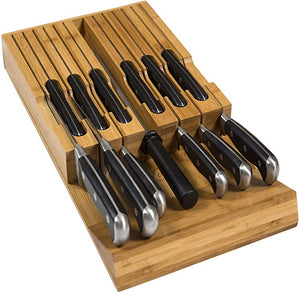
- Store Safely: Use a knife block, magnetic strip, or blade guard to protect the edge and prevent accidents.
For those working with serrated blades, our article on how to maintain serrated knife edges offers specialized advice.

Common Mistakes to Avoid When Sharpening Meat Knives
Even experienced cooks can make errors when sharpening their blades. Avoid these pitfalls to ensure the best results:
- Using the Wrong Angle: Inconsistent angles can lead to uneven edges and reduced sharpness.
- Applying Too Much Pressure: Excessive force can damage the blade or the sharpening tool.
- Neglecting Regular Maintenance: Waiting too long between sharpening sessions makes the process harder and shortens the knife’s lifespan.
- Skipping Cleaning: Failing to clean your knife after sharpening can leave metal shavings on the blade, which may contaminate food.
If you encounter issues during sharpening, refer to our knife sharpening troubleshooting guide for solutions to common problems.
Special Considerations for Different Types of Meat Knives
Not all meat knives are created equal. Here’s how to approach sharpening for various blade styles:
- Boning Knives: These thin, flexible blades require a finer edge. Use a whetstone or fine-grit sharpener for best results.
- Carving Knives: Maintain a consistent angle and avoid removing too much material to preserve the blade’s length.
- Cleavers: These heavy-duty knives can handle a slightly wider angle (20–25 degrees) for added durability.
- Serrated Knives: Use a tapered sharpening rod designed for serrations, or refer to our guide on maintaining serrated knife edges.
Left-handed and right-handed users may also benefit from specialized advice. Explore our articles on how to sharpen knives for left-handed users and knife sharpening for right-handed users for tailored tips.
FAQ
How often should I sharpen my meat knives?
The frequency depends on how often you use your knives. For home cooks, sharpening every 2–3 months is usually sufficient, while professionals may need to sharpen weekly. Regular honing helps maintain the edge between sharpening sessions.
Can I use an electric sharpener on all types of meat knives?
Most electric sharpeners are suitable for straight-edged meat knives. However, always check the manufacturer’s recommendations, especially for specialty blades like boning or cleavers. Avoid using electric sharpeners on serrated knives unless specifically designed for them.
What’s the difference between honing and sharpening?
Honing realigns the blade edge without removing material, keeping it sharp between sharpening sessions. Sharpening, on the other hand, grinds away metal to restore a dull edge. Both are important for optimal knife performance.
Is it safe to sharpen knives at home?
Yes, with the right tools and techniques, sharpening knives at home is safe. Always follow instructions, work slowly, and keep your fingers away from the blade. Consider starting with manual or guided sharpeners if you’re new to the process.
Conclusion
Mastering knife sharpening for meat knives ensures your blades stay sharp, safe, and ready for any culinary challenge. With the right tools, regular maintenance, and a bit of practice, you’ll enjoy smoother cuts, better food quality, and a safer kitchen environment. Refer to the resources and guides linked throughout this article for deeper insights and troubleshooting tips as you refine your sharpening skills.
This article contains affiliate links. We may earn a commission at no extra cost to you.