


 (858) 333-1035 Sales@knives.shop
 Cheese knives are designed to handle the unique textures and consistencies of various cheeses, from soft brie to hard parmesan. Keeping these specialized tools sharp is essential for both presentation and ease of use. A well-maintained edge ensures clean cuts, prevents cheese from sticking, and enhances your overall cheese-tasting experience. This guide explores the essentials of knife sharpening for cheese knives, including techniques, tools, and maintenance tips tailored for different blade types.
Before diving into sharpening methods, it's helpful to understand the different types of cheese knives and why their maintenance matters. If you’re interested in learning about sharpening other specialty blades, such as knife sharpening for meat knives, you’ll find that each category has its own best practices.
Understanding Cheese Knife Varieties and Their Edges
Cheese knives come in various shapes and sizes, each tailored for specific cheese types. The most common varieties include:
- Soft cheese knives: Feature holes in the blade to reduce sticking and a thin edge for delicate cheeses like camembert.
- Hard cheese knives: Have sturdy, pointed blades for breaking into aged cheeses such as parmesan.
- Spreader knives: Used for creamy cheeses, these have a rounded, blunt edge.
- Fork-tipped knives: Useful for serving and picking up cheese slices.
Each type requires a slightly different approach to sharpening, especially when considering blade thickness and edge geometry. For instance, hard cheese knives often have a more robust edge, while soft cheese knives need a razor-sharp, delicate finish.
Why Regular Sharpening Matters for Cheese Knives
Maintaining a sharp edge on your cheese knives is about more than just aesthetics. Dull blades can crush or tear cheese, leading to uneven slices and a less appealing presentation. A sharp knife glides through cheese with minimal pressure, preserving the texture and flavor profile of each variety.
Additionally, a properly sharpened cheese knife is safer to use. Dull blades require more force, increasing the risk of slipping and accidental cuts. Routine maintenance extends the life of your knives and ensures every cheese board is a pleasure to prepare and serve.
Essential Tools for Sharpening Cheese Knives
Choosing the right sharpening tools is crucial for effective maintenance. Here are some popular options for knife sharpening for cheese knives:
- Whetstones: Offer precise control and are suitable for most straight-edged cheese knives.
- Electric sharpeners: Provide quick results and are ideal for those who want consistent angles with minimal effort.
- Sharpening rods or honing steels: Best for regular edge maintenance between full sharpenings.
- Specialty sharpeners: Some are designed specifically for serrated or uniquely shaped cheese knives.
When selecting a sharpener, consider the blade type and your comfort level with manual versus electric tools. For a detailed breakdown of sharpening methods, you can refer to this comprehensive guide to sharpening knives.

Step-by-Step Guide to Sharpening Cheese Knives
Proper technique is key to achieving a sharp, consistent edge. Here’s a basic process for maintaining your cheese knives:
- Clean the knife: Wash and dry thoroughly to remove any cheese residue or oils.
- Choose the right angle: Most cheese knives benefit from a sharpening angle of 15–20 degrees. Hard cheese knives may require a slightly steeper angle for durability.
- Use the appropriate tool: For straight-edged knives, a whetstone or electric sharpener works well. Serrated or fork-tipped knives may need a rod or specialty sharpener.
- Sharpen evenly: Maintain consistent pressure and angle as you move the blade across the sharpening surface. Repeat on both sides for a symmetrical edge.
- Hone and test: After sharpening, use a honing steel to align the edge. Test the sharpness by slicing a piece of cheese—if it glides smoothly, your work is done.
For more troubleshooting tips, the knife sharpening troubleshooting guide offers solutions to common issues like uneven edges or burr formation.
Sharpening Serrated and Specialty Cheese Knives
Serrated cheese knives and those with unique cutouts require a slightly different approach. Instead of using a flat stone, opt for a tapered rod or a sharpener designed for serrated blades. Focus on the beveled side of each serration, using gentle strokes to restore the edge without damaging the teeth.
Spreader knives, which are typically blunt, rarely need sharpening. However, if the edge becomes too dull for effective spreading, a few passes on a fine stone can restore its function.

How Often Should You Sharpen Cheese Knives?
The frequency of sharpening depends on usage, cheese types, and blade material. As a general rule:
- For home use, sharpen every 2–3 months or when you notice resistance while slicing.
- For professional or frequent use, inspect and touch up edges monthly.
- Hone with a rod or steel after each use to maintain sharpness between full sharpenings.
Regular maintenance not only keeps your knives performing well but also reduces the effort needed during each sharpening session.
Care and Storage Tips for Long-Lasting Sharpness
Proper care extends the life of your cheese knives and preserves their edge. Here are some best practices:
- Hand wash and dry knives immediately after use to prevent corrosion.
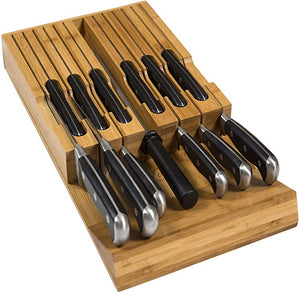
- Store in a knife block, sheath, or on a magnetic strip to avoid dulling from contact with other utensils.
- Avoid cutting on hard surfaces like glass or stone—opt for wood or plastic boards.
- Use the right knife for each cheese type to minimize unnecessary wear.
By following these tips, you’ll ensure your cheese knives remain sharp and ready for every occasion. If you’re interested in maintaining other specialty blades, check out advice on how to maintain serrated knife edges or how to sharpen tactical knives for additional insights.
Frequently Asked Questions
Can I Use a Regular Knife Sharpener for Cheese Knives?
Most straight-edged cheese knives can be sharpened with a standard whetstone or electric sharpener. However, for serrated or uniquely shaped blades, a specialized tool or rod is recommended to maintain the original edge profile.
What’s the Best Angle for Sharpening Cheese Knives?
A sharpening angle of 15–20 degrees is ideal for most cheese knives. Hard cheese knives may benefit from a slightly steeper angle for added durability, while soft cheese knives should have a finer edge for precision slicing.
How Do I Know When My Cheese Knife Needs Sharpening?
If your knife starts to crush, tear, or stick to the cheese, it’s time for a touch-up. Regularly testing the blade on a piece of cheese or paper can help you gauge sharpness and maintain optimal performance.
This article contains affiliate links. We may earn a commission at no extra cost to you.