


 (858) 333-1035 Sales@knives.shop
 Keeping your kitchen knives sharp is essential for safe and efficient cooking. Dull blades not only make food preparation more difficult, but they can also increase the risk of accidents. For those new to maintaining their own tools, learning the basics of knife sharpening for beginners at home can seem intimidating. However, with the right guidance and a few simple tools, anyone can restore their knives to a keen edge without professional help.
This article will walk you through the fundamentals of sharpening knives in a home setting, including choosing the right equipment, understanding sharpening angles, and following safe techniques. Whether you’re working with chef’s knives, paring knives, or even outdoor blades, these tips will help you achieve better results in your kitchen and beyond.
For those interested in exploring more advanced techniques, you may want to read about knife sharpening with professional tools for a deeper dive into specialized equipment and methods.
Why Sharp Knives Matter in the Kitchen
Sharp blades are not just about making clean cuts—they’re also about safety and efficiency. A well-honed knife requires less force, reducing the chance of slipping and causing injury. Additionally, sharp knives preserve the texture and flavor of ingredients, making your meals more enjoyable. Learning the basics of home knife sharpening ensures your tools are always ready for any culinary task.
Essential Tools for At-Home Knife Maintenance
Before you begin, it’s important to gather the right tools. Here are the most common options for those starting out:
- Manual Sharpeners: These devices use abrasive surfaces to quickly restore an edge. They’re user-friendly and ideal for beginners.
- Sharpening Stones: Also known as whetstones, these allow for more control and can produce a very fine edge. They come in various grits for different stages of sharpening.
- Honing Rods: Often confused with sharpeners, honing rods realign the blade rather than removing metal. They’re best for regular maintenance between sharpening sessions.
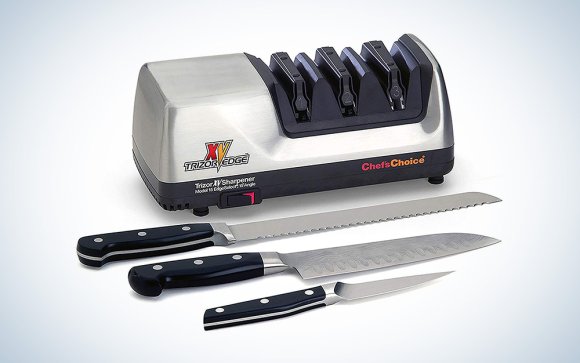
- Electric Sharpeners: These machines automate the process, making them a convenient choice for those who want quick results with minimal effort.
For a comprehensive look at different sharpening tools, the Victorinox guide to sharpening kitchen knives offers detailed comparisons and advice.
Understanding Knife Angles and Grits
One of the most important aspects of sharpening knives at home is maintaining the correct angle. Most Western kitchen knives are sharpened at a 20-degree angle, while Japanese knives often use a 15-degree angle. Keeping a consistent angle ensures an even, sharp edge.
Grit refers to the coarseness of a sharpening stone or abrasive. Lower numbers (200–600 grit) are used for repairing very dull or damaged blades, while higher numbers (1000–6000 grit) are for refining and polishing the edge. Beginners should start with a medium grit (around 1000) for most maintenance tasks.
Step-by-Step Guide to Sharpening Your Knives
Follow these steps to sharpen your kitchen knives safely and effectively:
- Clean the Blade: Wash and dry your knife before sharpening to remove any food residue or oils.
- Set Up Your Sharpening Tool: Place your stone, manual sharpener, or electric device on a stable surface. If using a whetstone, soak it in water for 10–15 minutes if required.
- Find the Correct Angle: Hold the knife at the recommended angle for your blade type. Many beginners use angle guides to help maintain consistency.
- Sharpen One Side: Starting at the base of the blade, draw the knife across the abrasive surface from heel to tip, applying gentle, even pressure. Repeat this motion several times.
- Switch Sides: Flip the knife and repeat the process on the other side, ensuring an even edge.
- Check for Burrs: A small, raised edge (burr) indicates the blade is sharp. Remove it by lightly running the knife along a fine stone or honing rod.
- Clean and Test: Wipe the blade clean and test the sharpness by slicing through a piece of paper or a tomato.
With practice, these steps will become second nature, and you’ll notice a significant improvement in your kitchen prep work.
Common Mistakes to Avoid
Even with the best intentions, beginners often make a few missteps when learning to sharpen knives at home. Here are some pitfalls to watch out for:
- Using the Wrong Angle: Inconsistent angles can lead to uneven edges and reduced sharpness.
- Skipping Grits: Moving directly from a coarse to a fine grit without intermediate steps can leave the edge unfinished.
- Applying Too Much Pressure: Excessive force can damage both the blade and the sharpening tool.
- Neglecting Regular Maintenance: Waiting until knives are extremely dull makes sharpening more difficult and time-consuming.
By being mindful of these common errors, you can achieve better results and extend the life of your knives.

Maintaining Your Edge: Tips for Everyday Care
Proper maintenance goes beyond sharpening. Here are some tips to keep your knives in top condition:
- Use a Honing Rod Regularly: Realign the edge before or after each use to maintain sharpness.
- Hand Wash Only: Avoid dishwashers, as harsh detergents and high heat can damage the blade and handle.
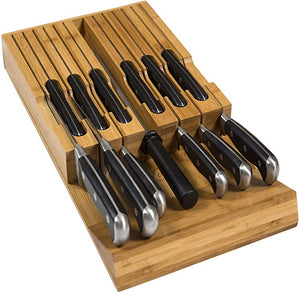
- Store Safely: Use a knife block, magnetic strip, or blade guard to prevent dulling and accidents.
- Cut on the Right Surface: Stick to wood or plastic cutting boards; glass and stone can quickly dull your blade.
With these habits, you’ll spend less time sharpening and more time enjoying precise, effortless cuts.
Sharpening Different Types of Knives
While this guide focuses on general kitchen knives, you may also need to maintain specialized blades. For example, knife sharpening for Gyuto knives or knife sharpening for kitchen knives may require different techniques or angles. Outdoor and Santoku knives also have unique requirements. Always check manufacturer recommendations or consult resources tailored to your specific blade type.
Frequently Asked Questions
How often should I sharpen my kitchen knives?
For home cooks, sharpening every few months is usually sufficient. However, frequent honing with a rod can extend the time between full sharpening sessions. If you notice your knife struggling to cut through tomatoes or paper, it’s time to sharpen.
Can I use an electric sharpener on all my knives?
Electric sharpeners are convenient for many standard kitchen knives, but they may not be suitable for specialty blades, serrated edges, or high-end Japanese knives. Always check compatibility before using an electric device.
What’s the difference between honing and sharpening?
Honing realigns the existing edge without removing material, while sharpening grinds away metal to create a new edge. Regular honing keeps your knife performing well, but sharpening is needed when the blade becomes noticeably dull.
Conclusion
Learning the basics of knife sharpening for beginners at home empowers you to keep your kitchen tools in optimal condition. With the right equipment, proper technique, and regular maintenance, you’ll enjoy safer, more efficient food preparation. As you gain confidence, consider exploring more advanced methods or specialized guides to suit your specific knives and cooking style.
This article contains affiliate links. We may earn a commission at no extra cost to you.