


 (858) 333-1035 Sales@knives.shop
 Keeping your knives sharp is essential for safe and efficient cutting, whether you're preparing meals in the kitchen or tackling outdoor tasks. Many people assume that professional sharpening is the only way to restore a blade’s edge, but there are several effective do-it-yourself approaches that can deliver impressive results at home. This guide explores practical techniques for knife sharpening using DIY methods, covering the tools, steps, and safety tips you need to maintain your blades without specialized equipment.
Before diving into the various sharpening techniques, it’s important to understand why a sharp knife matters. A dull blade requires more force, increasing the risk of slipping and injury. Regular maintenance not only extends the life of your knives but also ensures cleaner, more precise cuts. If you’re interested in learning about sharpening specific types of knives, such as knife sharpening for Gyuto knives, there are dedicated resources available for deeper insights.
Understanding the Basics of Home Blade Maintenance
Before attempting any sharpening technique, it’s helpful to know the difference between honing and sharpening. Honing realigns the edge of the blade, while sharpening removes material to create a new edge. Both are important for keeping knives in top condition, but sharpening is necessary when the blade has become noticeably dull or nicked.
DIY sharpening can be accomplished using a variety of household items and inexpensive tools. The key is to follow the correct angle and technique for your specific knife. Japanese knives, for example, often require a different approach than Western blades. For more specialized advice, you might explore topics like knife sharpening for Japanese knives or kitchen knife sharpening.
Common DIY Knife Sharpening Tools and Materials
There are several accessible tools and materials you can use for knife sharpening using DIY methods:
- Whetstones (Sharpening Stones): The most traditional and effective tool for home sharpening. Available in various grits for coarse or fine sharpening.
- Ceramic Mugs or Plates: The unglazed bottom ring can serve as a makeshift sharpening surface in a pinch.
- Sandpaper: Mounted on a flat surface, fine-grit sandpaper can be used to restore an edge.
- Leather Belts (Stropping): Used for finishing and polishing the edge after sharpening.
- Manual Pull-Through Sharpeners: Affordable and easy to use, though less precise than stones.
Each method has its pros and cons, but all can be effective with proper technique and patience.
Step-by-Step Guide to Sharpening with a Whetstone
Using a whetstone is one of the most reliable ways to restore a sharp edge at home. Here’s how to do it:
- Soak the Stone: If using a water stone, soak it in water for 10–15 minutes. Oil stones require a light coating of honing oil.
- Set the Angle: Hold the knife at the correct angle—typically 15–20 degrees for most kitchen knives. Japanese blades may require a slightly lower angle.
- Sharpen the Edge: Draw the blade across the stone in a sweeping motion, maintaining consistent pressure and angle. Repeat several times on one side, then switch to the other.
- Use Both Sides of the Stone: Start with the coarse side to reshape the edge, then finish with the fine side for a polished result.
- Clean and Test: Wipe the blade clean and test sharpness by slicing through paper or a tomato.
For more detailed sharpening tricks and tips, you can refer to resources like this comprehensive guide to knife sharpening tricks.

Alternative At-Home Sharpening Techniques
Not everyone has access to a whetstone, but there are other creative and effective ways to sharpen knives at home:
- Ceramic Mug Method: Flip a ceramic mug upside down and use the rough, unglazed ring as a sharpening surface. Gently draw the blade across the ring at the correct angle, alternating sides.
- Sandpaper on a Flat Surface: Attach fine-grit sandpaper to a flat board or countertop. Glide the blade across the sandpaper, maintaining a steady angle.
- Stropping with a Leather Belt: After sharpening, polish the edge by running the blade along a leather belt. This helps remove burrs and refines the sharpness.
These methods are especially useful for quick touch-ups or when traditional sharpening tools aren’t available.

Sharpening Outdoor and Specialty Knives at Home
Outdoor knives and specialty blades often face tougher conditions and may require different sharpening approaches. For example, survival or hunting knives can be sharpened with portable stones or even river rocks in the field. If you’re interested in techniques tailored for these types of blades, check out this resource on knife sharpening for outdoor knives.
For Santoku and other specialty kitchen knives, maintaining the correct angle and using finer grits is especially important. You can find more information on sharpening Santoku knives for best results.
Tips for Safe and Effective DIY Sharpening
Sharpening knives at home can be safe and rewarding if you follow a few essential guidelines:
- Work Slowly: Rushing increases the risk of slips and mistakes.
- Use a Stable Surface: Always sharpen on a flat, non-slip surface to prevent accidents.
- Check Your Progress: Frequently inspect the blade to avoid over-sharpening or uneven edges.
- Clean Up: Wipe down your tools and knife after sharpening to remove metal filings and debris.
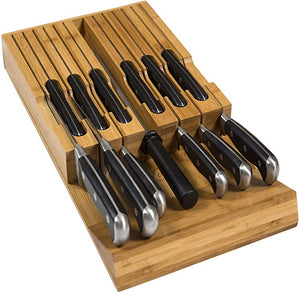
- Store Properly: Keep sharpened knives in a safe place, such as a knife block or sheath, to protect the edge and prevent injuries.
With practice, you’ll gain confidence and develop a feel for the right pressure and angle, leading to consistently sharp results.
Frequently Asked Questions
How often should I sharpen my kitchen knives at home?
For most home cooks, sharpening every few months is sufficient, depending on usage. Regular honing can help maintain the edge between sharpening sessions. If you notice your knife struggling to slice through tomatoes or paper, it’s time for a touch-up.
Can I use household items if I don’t have a sharpening stone?
Yes, you can use the unglazed bottom of a ceramic mug or fine-grit sandpaper as makeshift sharpening surfaces. These methods are effective for quick fixes, but investing in a proper stone or sharpener will yield better long-term results.
What’s the difference between honing and sharpening?
Honing realigns the blade’s edge without removing material, while sharpening grinds away metal to create a new edge. Both are important for knife maintenance, but sharpening is needed when the blade becomes dull or damaged.
Conclusion
Maintaining sharp knives doesn’t require expensive equipment or professional services. With a bit of knowledge and the right approach, anyone can achieve excellent results using simple, accessible tools. Whether you prefer a classic whetstone or creative household alternatives, knife sharpening using DIY methods is a practical skill that enhances safety and efficiency in the kitchen and beyond. For more advanced tips and techniques, explore additional resources or consider investing in a quality electric sharpener for convenience.
This article contains affiliate links. We may earn a commission at no extra cost to you.