


 (858) 333-1035 Sales@knives.shop
 Maintaining a sharp edge on your knives is crucial for both safety and performance in the kitchen, workshop, or outdoors. While basic sharpening methods can help, knife sharpening with professional tools delivers a level of precision and consistency that’s hard to match with manual techniques. Whether you’re a chef, a home cook, or a knife enthusiast, understanding how to use advanced sharpening equipment can extend the life of your blades and enhance your cutting experience.
In this guide, we’ll break down the main types of professional sharpening tools, walk through step-by-step processes, and highlight tips for achieving razor-sharp results. If you’re interested in specialized techniques, you might also want to explore knife sharpening for Gyuto knives, which covers unique considerations for Japanese chef’s knives.
Why Choose Advanced Sharpening Equipment?
Professional sharpening devices offer several advantages over basic stones or pull-through gadgets. They provide:
- Consistent angles for uniform edges
- Faster sharpening with less effort
- Ability to handle a wide range of blade types and steels
- Longer-lasting, more refined edges
For those who use their knives daily, investing in quality sharpening gear can save time and reduce the risk of blade damage from improper techniques.
Types of Professional Knife Sharpeners
There are several categories of sharpening tools designed for expert results. Here’s an overview of the most common:
Electric Sharpeners
Electric models are popular for their speed and ease of use. These machines use motorized abrasive wheels or belts to grind and hone the blade. Many feature guides that hold the knife at a precise angle, ensuring a consistent edge every time. Some high-end versions allow for adjustable angles and multiple grit stages, making them suitable for both Western and Japanese knives.
Guided Sharpening Systems
Guided systems use a clamp or jig to hold the knife steady while abrasive stones move along the edge at a fixed angle. This setup minimizes human error and is favored by professionals for tasks that require extreme sharpness and accuracy. These systems can be manual or semi-automatic, and they often come with a range of stone grits for progressive sharpening.
Water Stones and Diamond Plates
While traditional, water stones and diamond plates are also used in professional settings. When paired with angle guides, they can deliver exceptional results. Diamond plates are especially effective for hard steels, while water stones are prized for their ability to create a polished, razor-sharp edge.
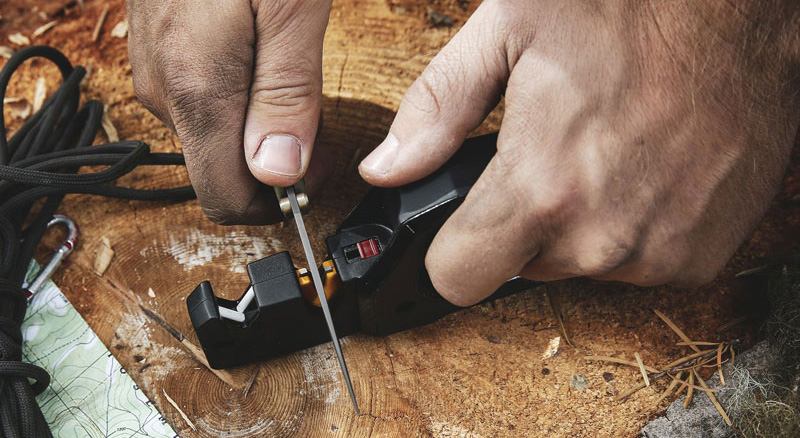
Step-by-Step: Using Professional Sharpening Tools
Getting the best results from advanced equipment requires a methodical approach. Here’s a general process that applies to most electric and guided systems:
- Inspect the blade. Check for chips, nicks, or excessive wear. If the edge is damaged, start with a coarser grit.
- Set the angle. Most kitchen knives are sharpened between 15° and 20°. Use the tool’s guide or adjust settings as needed for your blade type.
- Begin with coarse sharpening. Run the knife through the coarsest stage to reestablish the edge. Apply light, even pressure and let the machine or guide do the work.
- Progress to finer grits. Move through the medium and fine stages to refine and polish the edge. This step removes burrs and creates a smooth, sharp finish.
- Clean and test. Wipe the blade clean and test sharpness by slicing paper or gently shaving a tomato skin. If needed, repeat the fine stage for extra refinement.
Always follow the manufacturer’s instructions for your specific tool, and avoid excessive pressure, which can overheat or damage the blade.
Tips for Maintaining a Razor-Sharp Edge
- Hone regularly: Use a honing rod between sharpenings to realign the edge and prolong sharpness.
- Sharpen as needed: Frequency depends on use, but most home cooks benefit from sharpening every few months. Professionals may need to sharpen weekly.
- Store knives properly: Use a knife block, magnetic strip, or blade guard to protect the edge.
- Avoid hard surfaces: Cutting on glass, stone, or metal can quickly dull even the best edge. Stick to wood or plastic boards.
For more on keeping kitchen blades in top condition, see this detailed guide on how to sharpen kitchen knives from OXO.

Common Mistakes to Avoid
Even with the best equipment, certain errors can undermine your sharpening efforts:
- Using the wrong angle: Sharpening at an incorrect angle can make the edge weak or blunt. Always match the tool’s guide to your knife’s intended bevel.
- Skipping grits: Jumping from coarse to fine without intermediate steps can leave a rough edge.
- Applying too much force: Let the abrasive do the work. Excessive pressure can remove too much metal and shorten blade life.
- Neglecting to clean the blade: Metal filings and debris can scratch the surface or contaminate food. Always wipe knives after sharpening.
Sharpening Different Types of Knives
Not all blades are created equal, and some require special attention:
- Japanese knives: These often have harder steel and a more acute angle. Use fine stones or diamond plates, and consider reading about knife sharpening for Japanese knives for more details.
- Serrated knives: Use specialized sharpeners or rods designed for serrations. Avoid running these through standard electric machines.
- Outdoor and utility knives: These may need a more robust edge. For field sharpening, portable guided systems or diamond plates are ideal. See our article on knife sharpening for outdoor knives for more tips.
When to Seek Professional Sharpening Services
While many users can achieve excellent results at home, there are times when a specialist’s touch is best:
- Blades with severe chips, bends, or corrosion
- Antique or high-value knives requiring restoration
- When you lack the time or confidence for DIY sharpening
Professional services use industrial-grade equipment and can restore even heavily worn knives to near-original condition.
FAQ
How often should I sharpen my knives with professional tools?
The frequency depends on how often you use your knives and the type of steel. For home cooks, sharpening every 3–6 months is typical. Professionals may need to sharpen weekly or even daily. Regular honing can extend the time between full sharpenings.
Can I use professional sharpeners on all types of knives?
Most advanced sharpeners are designed to handle a wide range of blades, including kitchen, outdoor, and specialty knives. However, always check the manufacturer’s guidelines, especially for serrated or very hard steel knives.
What’s the difference between honing and sharpening?
Honing realigns the edge of the blade without removing significant metal, while sharpening grinds away material to create a new edge. Both are important for maintaining optimal performance.
Are electric sharpeners safe for expensive knives?
High-quality electric models with adjustable guides are generally safe for premium blades. Use the correct settings and avoid excessive pressure to prevent unnecessary wear.
Where can I learn more about sharpening specific knife types?
For detailed instructions tailored to particular blades, check out resources like knife sharpening for kitchen knives or knife sharpening for Santoku knives.
This article contains affiliate links. We may earn a commission at no extra cost to you.