


 (858) 333-1035 Sales@knives.shop
 Achieving clean, accurate cuts in the kitchen or workshop relies on having a blade that is not just sharp, but honed to a fine edge. Whether you’re a chef, home cook, or outdoor enthusiast, understanding how to sharpen knives for precision cutting can make a significant difference in your results and safety. A well-maintained knife glides effortlessly through food or materials, reducing the risk of slips and uneven slices. This guide covers the essential techniques, tools, and tips for keeping your blades in top condition for the most precise cuts possible.
Before diving into the step-by-step process, it’s helpful to recognize that different knives and tasks may require specific sharpening methods. For example, a chef’s knife used for delicate slicing will benefit from a different approach than a utility or fillet knife. If you’re interested in learning more about sharpening specialized blades, you can explore topics like how to sharpen utility knives or how to sharpen chef’s knives at home for additional insights.
Why a Razor-Sharp Edge Matters for Accuracy
Precision cutting isn’t just about aesthetics—it’s about efficiency, safety, and consistency. A dull blade requires more force, increasing the risk of slips and injuries. In contrast, a properly sharpened knife allows for controlled, even slices, whether you’re filleting fish, dicing vegetables, or crafting intricate garnishes. Maintaining a keen edge also extends the life of your knife and reduces fatigue during repetitive tasks.
For those seeking advanced methods, using a ceramic stone or leather strop can help achieve a mirror-polished finish, further enhancing accuracy and blade longevity.
Essential Tools for Sharpening Blades
To master how to sharpen knives for precision cutting, it’s important to choose the right tools. Here are some of the most effective options:
- Whetstones: Offer the most control and are ideal for achieving a fine edge. Available in various grits for coarse to ultra-fine sharpening.
- Electric Sharpeners: Fast and convenient, suitable for those who want consistent results with minimal effort.
- Sharpening Rods (Honing Steels): Used for daily maintenance to realign the edge between sharpening sessions.
- Guided Systems: Provide a fixed angle, ensuring uniform sharpening—great for beginners or anyone seeking repeatable results.
Each tool has its advantages. For those new to sharpening, starting with a guided system or an electric sharpener can help build confidence before progressing to whetstones for more control.

Step-by-Step Guide: Achieving a Fine Edge
Follow these steps to sharpen your knife for the most accurate and effortless cuts:
- Choose the Right Angle: Most kitchen knives perform best at a 15–20 degree angle. Holding a consistent angle is crucial for a uniform edge.
- Start with a Coarse Grit: If your blade is very dull or damaged, begin with a coarse whetstone or the coarse setting on your sharpener. Move the blade smoothly across the surface, maintaining the chosen angle.
- Progress to Finer Grits: Switch to a medium and then a fine grit to refine the edge. This removes burrs and polishes the blade for clean slicing.
- Alternate Sides: Sharpen both sides of the blade evenly. Count your strokes or use a guided system to ensure balance.
- Finish with Honing: Use a honing rod or strop to align the edge and remove any remaining micro-burrs. This step is key for achieving razor-sharp precision.
- Test the Edge: Carefully check sharpness by slicing through paper or a tomato. A properly sharpened knife should cut smoothly with minimal pressure.
For a visual walkthrough and additional tips, you can refer to detailed guides like step-by-step knife sharpening instructions from trusted sources.
Common Mistakes to Avoid When Sharpening
Even experienced users can make errors that compromise the blade’s performance. Here are some frequent pitfalls to watch out for:
- Inconsistent Angle: Changing the sharpening angle mid-stroke leads to an uneven edge and poor cutting performance.
- Skipping Grits: Jumping from coarse to fine without intermediate steps leaves a rough edge that won’t cut cleanly.
- Applying Too Much Pressure: Excessive force can damage the blade and reduce control. Let the abrasive do the work.
- Neglecting to Hone: Skipping the final honing step leaves micro-burrs that dull quickly and affect accuracy.
By avoiding these mistakes and practicing proper technique, you’ll extend the life of your knives and enjoy more precise results.

Maintaining Your Edge for Long-Term Precision
Once you’ve achieved a sharp edge, regular maintenance is the key to keeping your knife performing at its best. Here’s how to preserve that fine edge:
- Hone Frequently: Use a honing rod every few uses to realign the edge and prevent dulling.
- Sharpen as Needed: Depending on use, sharpen your knife every few weeks or months. Frequent cooks may need to sharpen more often.
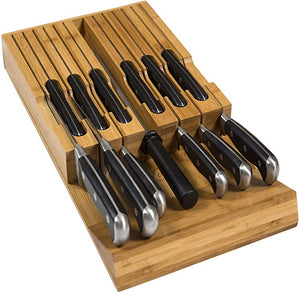
- Store Properly: Keep knives in a block, magnetic strip, or blade guard to protect the edge from nicks and dulling.
- Hand Wash Only: Avoid dishwashers, which can damage both the blade and handle.
For those interested in advanced finishing techniques, using a leather strop can further refine the edge for ultimate sharpness.
FAQ: Knife Sharpening for Accurate Cuts
How often should I sharpen my kitchen knives for best results?
Frequency depends on usage, but most home cooks benefit from sharpening every 1–3 months. Regular honing between sharpenings helps maintain the edge and reduces the need for frequent full sharpening sessions.
What is the best angle for sharpening knives used in precision tasks?
For most kitchen and utility knives, a 15–20 degree angle provides an excellent balance of sharpness and durability. Japanese knives often use a slightly lower angle for even finer edges, while heavier-duty blades may use a wider angle for strength.
Can I use an electric sharpener for delicate blades?
Yes, but choose a model with adjustable angle settings and fine grit options. Electric sharpeners are convenient for maintaining a consistent edge, but always follow the manufacturer’s instructions to avoid removing too much material or overheating the blade.
What’s the difference between honing and sharpening?
Sharpening removes material to create a new edge, while honing realigns the existing edge without significant metal removal. Honing should be done regularly, while sharpening is needed less frequently.
Are there specialized techniques for different types of knives?
Yes. For example, fillet knives may require a finer angle and more flexible approach, while chef’s knives benefit from a robust yet sharp edge. Explore resources on how to sharpen fillet knives for more tailored advice.
Mastering the art of blade maintenance not only improves your results but also ensures safer, more enjoyable work in the kitchen or outdoors. With the right tools, techniques, and regular care, anyone can achieve the level of sharpness needed for truly precise cuts.