


 (858) 333-1035 Sales@knives.shop
 Serrated bread knives are essential tools in any kitchen, prized for their ability to slice through crusty loaves and delicate pastries with ease. However, many people assume these knives never need maintenance. Over time, even the best serrated blades can become dull, making it harder to achieve clean cuts. Understanding how to sharpen serrated bread knives can extend the life of your favorite kitchen tool and improve your cutting experience.
Unlike straight-edged knives, serrated blades require a unique approach to sharpening. The process involves working with each individual serration, which can seem intimidating at first. With the right tools and techniques, though, restoring the edge of a serrated bread knife is entirely achievable at home. Before diving into the step-by-step process, it’s helpful to understand the anatomy of these blades and why their maintenance differs from other knives.
For those interested in learning more about blade maintenance, you might also find value in our guide on knife sharpening angles explained, which covers the fundamentals of edge geometry and sharpening techniques.
Understanding Serrated Knife Edges
Serrated knives are designed with a series of pointed teeth, or scallops, along the cutting edge. These teeth help the blade grip and slice through tough surfaces, such as bread crusts, without crushing the soft interior. The unique structure means that only the tips of the serrations make contact with the cutting board, so the valleys between the teeth stay sharper longer than a straight edge would.
However, as you continue to use your bread knife, the tips and edges of the serrations will eventually wear down. When this happens, you may notice the knife tearing rather than slicing cleanly. At this point, it’s time to consider sharpening your serrated bread knife to restore its original performance.
Essential Tools for Sharpening Serrated Blades
Sharpening a serrated knife requires specialized tools. The most common options include:
- Serrated sharpening rods (also called honing rods or sharpening files): These are thin, tapered rods made from ceramic or steel, designed to fit into the grooves of serrated blades.
- Electric knife sharpeners: Some advanced models feature slots specifically for serrated knives, making the process more convenient.
- Manual pull-through sharpeners: A few manual sharpeners are compatible with serrated edges, but always check the manufacturer’s recommendations before use.

Before you begin, inspect your knife to determine if the serrations are uniform or if there are any damaged teeth. This will help you decide which tool and technique to use for the best results.
Step-by-Step Guide: How to Sharpen Serrated Bread Knives
Restoring the edge of a serrated bread knife involves a careful, methodical process. Here’s a practical approach you can follow at home:
- Choose the right sharpening rod: Select a rod that matches the size of your knife’s serrations. Ceramic rods are popular because they remove less metal and offer a smooth finish.
- Identify the beveled side: Most serrated knives are beveled on one side only. Place the knife with the beveled side facing up.
- Sharpen each serration individually: Insert the rod into the first scallop and gently move it back and forth, following the angle of the serration. Use light pressure and repeat for each groove along the blade.
- Remove burrs: After sharpening all the serrations, turn the knife over and lightly run it flat against a fine-grit stone or honing rod to remove any burrs that may have formed on the flat side.
- Clean and test: Wipe the blade clean and test it on a piece of bread. If it slices smoothly, your sharpening was successful.
For those who prefer convenience, certain electric knife sharpeners explained in our dedicated article can handle serrated edges with minimal effort. Always check if your sharpener is compatible before use.
Using Electric and Manual Sharpeners for Serrated Blades
Electric sharpeners designed for serrated knives can save time and ensure consistent results. These devices typically have a dedicated slot for serrated blades, which hones the tips of the teeth without damaging the scallops. When using an electric sharpener, follow the manufacturer’s instructions closely to avoid excessive wear.

Manual pull-through sharpeners are less common for serrated blades, but some models do offer this feature. If you use a manual sharpener, ensure it’s specifically rated for serrated knives to avoid damaging the edge.
How Often Should You Sharpen Your Serrated Bread Knife?
Serrated knives generally stay sharp longer than straight-edged blades because only the tips of the teeth make frequent contact with food and cutting boards. For most home cooks, sharpening once or twice a year is sufficient. However, if you notice your knife tearing bread or struggling to cut, it’s time for maintenance.
Regular honing with a ceramic rod can help maintain the edge between sharpenings. For more advice on keeping your blades in top condition, see our article on how to maintain knife sharpness.
Additional Tips for Bread Knife Care
- Hand wash only: Avoid putting serrated knives in the dishwasher, as harsh detergents and jostling can dull the edge.
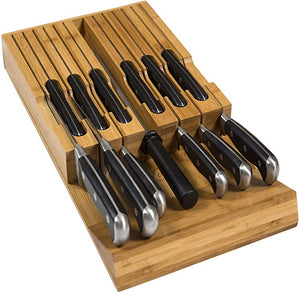
- Store safely: Use a knife block, magnetic strip, or blade guard to protect the edge from nicks and damage.
- Use the right cutting surface: Wooden or plastic boards are gentler on knife edges than glass or stone.
- Inspect regularly: Check your knife for chips or bent teeth and address issues promptly to prevent further damage.
If you want to explore more about blade maintenance, you might find this comprehensive knife sharpening tutorial useful for both serrated and straight-edged knives.
Frequently Asked Questions
Can You Use a Regular Sharpener on a Serrated Bread Knife?
No, standard sharpeners designed for straight edges are not suitable for serrated blades. Using the wrong tool can damage the unique tooth pattern. Always use a sharpening rod or a device specifically made for serrated knives.
How Do You Know When Your Serrated Knife Needs Sharpening?
If your bread knife begins to tear rather than slice cleanly, or if you notice increased resistance while cutting, it’s likely time to sharpen. Visual inspection of the teeth for dullness or damage can also help determine when maintenance is needed.
Is It Worth Sharpening Cheap Serrated Knives?
While it’s possible to sharpen inexpensive serrated knives, the process can be time-consuming. For low-cost blades, replacement may be more practical. However, for high-quality or favorite knives, sharpening is a worthwhile investment to extend their lifespan.
Conclusion
Maintaining the edge of your serrated bread knife ensures smooth, effortless slicing and prolongs the life of your kitchen tools. By following the proper steps and using the right equipment, you can confidently tackle how to sharpen serrated bread knives at home. Remember to inspect your knife regularly, use appropriate sharpening tools, and care for your blades with gentle cleaning and storage. With these practices, your serrated bread knife will remain a reliable companion for years to come.
This article contains affiliate links. We may earn a commission at no extra cost to you.