


 (858) 333-1035 Sales@knives.shop
 Sharp scissors are essential for clean, precise cuts whether you’re working with fabric, paper, or even in the kitchen. Over time, even the best pairs become dull, leading to frayed edges and extra effort. Learning how to sharpen scissors correctly not only extends their lifespan but also saves you money and frustration. This guide covers the best techniques, tools, and safety tips to restore your scissors’ edge at home.
Before diving into the step-by-step process, it’s helpful to understand the basics of blade angles and why proper sharpening matters. For a deeper look at edge geometry, check out knife sharpening angles explained for useful background that applies to scissors as well.
Why Scissors Become Dull
Even high-quality scissors lose their sharpness over time. Everyday use, cutting tough materials, or improper storage can all contribute to dull blades. When scissors are no longer sharp, you may notice:
- Jagged or frayed cuts
- Difficulty slicing through fabric or paper
- Blades that fold or bend materials instead of cutting
Regular maintenance and correct sharpening techniques can restore performance and help prevent permanent damage.
Choosing the Right Sharpening Tools
There are several methods and tools available for sharpening scissors. The best choice depends on the type of scissors and your comfort level. Here are the most common options:
- Sharpening stones (whetstones): Offer precise control and are suitable for most household and sewing scissors.
- Specialized scissor sharpeners: Designed for ease of use, these devices hold the correct angle for you.
- Electric sharpeners: Fast and convenient, especially for frequent sharpening. For more on these, see electric knife sharpeners explained.
- Sandpaper or aluminum foil: Quick fixes for very minor dullness, but not a substitute for proper sharpening.
Always check your scissors’ manufacturer guidelines before sharpening, as some specialty or serrated blades require professional service.
Step-by-Step Guide: Sharpening Scissors by Hand
One of the most reliable ways to restore a sharp edge is using a sharpening stone. Here’s how to do it safely and effectively:
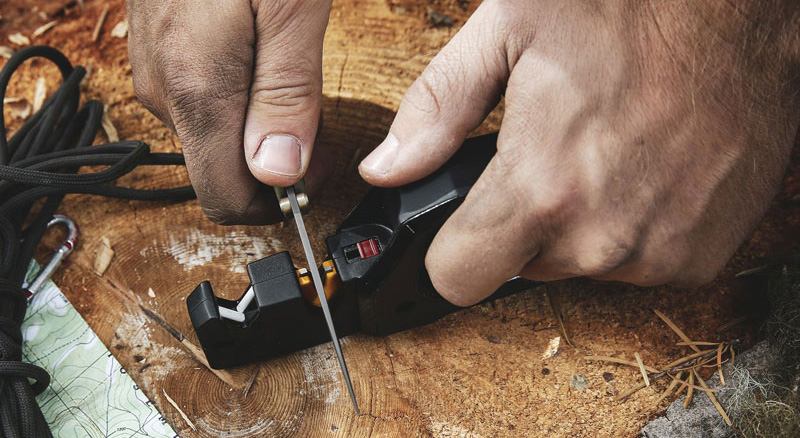
- Disassemble the scissors (if possible). Unscrew the pivot screw to separate the blades. This allows for easier and more thorough sharpening.
- Secure the sharpening stone on a flat, stable surface. Wet the stone with water or oil as recommended.
- Identify the beveled edge of each blade. Hold the blade so the beveled edge lies flat against the stone, matching the original angle (usually 30–45 degrees).
- Sharpen the blade by moving it across the stone in smooth, even strokes, always following the angle of the bevel. Apply gentle, consistent pressure.
- Repeat 10–20 strokes, then check the edge. Remove any burrs by lightly running the flat side of the blade over the stone.
- Reassemble the scissors and test the cut. If necessary, repeat the process for a sharper edge.
For a visual demonstration and more tips, you can reference guides such as how to sharpen a knife safely, which shares similar principles for edge maintenance.
Using Electric Sharpeners for Scissors
Electric sharpeners are a convenient option for those who want quick results with minimal effort. Many modern models include a dedicated slot for scissors, ensuring the correct angle and pressure. To use an electric sharpener:
- Read the manufacturer’s instructions to confirm compatibility with your scissors.
- Insert the blade into the designated slot and gently pull it through as directed.
- Repeat as needed, checking the sharpness after each pass.
Electric sharpeners are ideal for frequent use or for those who sharpen multiple pairs regularly. If you’re interested in learning more about electric options, see the electric knife sharpeners explained article for a detailed comparison.

Quick Fixes for Lightly Dull Scissors
If your scissors are only slightly dull and you need a fast solution, there are a couple of household tricks you can try:
- Cutting aluminum foil: Fold a sheet of foil several times and make repeated cuts through it. This can help realign the edge for minor dullness.
- Using sandpaper: Cut through fine-grit sandpaper (grit 150–200) several times. The abrasive surface can help hone the blades.
These methods are not substitutes for proper sharpening but can temporarily improve performance until you have time for a thorough job.
Maintaining Sharpness and Preventing Dullness
Regular care goes a long way in keeping your scissors sharp. Here are some maintenance tips:
- Wipe blades clean after each use to remove debris and residue.
- Store scissors in a dry place, preferably in a protective case or sheath.
- Use scissors only for their intended purpose—avoid cutting materials that are too thick or hard.
- Have specialty or expensive scissors professionally serviced as needed.
For more maintenance advice, see how to maintain knife sharpness, which offers tips that apply to scissors and other cutting tools.
Common Mistakes to Avoid When Sharpening
Sharpening scissors isn’t difficult, but there are a few pitfalls to watch out for:
- Sharpening at the wrong angle, which can damage the edge.
- Using too much force, leading to uneven sharpening or nicks.
- Neglecting to remove burrs, resulting in rough cuts.
- Attempting to sharpen serrated or specialty blades without proper tools or knowledge.
Take your time and follow each step carefully to achieve the best results.
Frequently Asked Questions
How often should I sharpen my scissors?
The frequency depends on how often you use them and what materials you cut. For general household use, sharpening every 6–12 months is usually sufficient. Scissors used for sewing or heavy-duty tasks may need attention more often.
Can I use a knife sharpener for scissors?
Some knife sharpeners are designed to handle scissors, but not all. Always check the manufacturer’s instructions. If your sharpener includes a dedicated slot for scissors, it’s safe to use. Otherwise, stick with a sharpening stone or a specialized scissor sharpener.
What’s the best way to test if my scissors are sharp?
Try cutting through a piece of fabric or several layers of paper. Sharp scissors should glide through smoothly without snagging or folding the material. If you notice resistance or rough edges, it’s time to sharpen again.
Should I sharpen both blades or just one?
For best results, sharpen both blades, especially if you can disassemble the scissors. This ensures an even edge and optimal performance.
Conclusion
Restoring the edge on your scissors is a straightforward process with the right tools and techniques. Whether you prefer sharpening stones, electric sharpeners, or quick household fixes, regular maintenance will keep your scissors performing at their best. Remember to follow safety tips, avoid common mistakes, and consult professional resources if you’re unsure about specialty blades. With these steps, you’ll enjoy clean, effortless cuts for years to come.
This article contains affiliate links. We may earn a commission at no extra cost to you.