


 (858) 333-1035 Sales@knives.shop
 Keeping your kitchen and outdoor blades in peak condition is essential for safety, efficiency, and precision. Dull knives not only make food prep more difficult but can also be hazardous, as they require more force and are prone to slipping. Understanding how to maintain knife sharpness will help you get the most out of your cutlery and extend the life of your investment.
Whether you’re a home cook, a professional chef, or an outdoor enthusiast, the right maintenance routine makes all the difference. This guide covers practical steps, essential tools, and expert advice to help you keep your knives razor-sharp. For those interested in the science behind blade angles, check out knife sharpening angles explained for deeper insights into edge geometry.
Why Knife Sharpness Matters
Sharp knives are safer and more effective than dull ones. A properly maintained edge allows for cleaner cuts, reducing the risk of accidents and making food preparation more enjoyable. Regular upkeep also prevents unnecessary wear, meaning your blades will last longer and perform better.
- Safety: Sharp blades require less force, minimizing slips and injuries.
- Efficiency: A keen edge makes slicing, dicing, and chopping faster and more precise.
- Longevity: Consistent maintenance reduces the need for frequent replacements.
Daily Habits for Preserving Edge Quality
Developing simple routines can significantly extend the sharpness of your knives. Here are some everyday practices to help you avoid premature dulling:
- Use the Right Cutting Surface: Always cut on wood, bamboo, or plastic boards. Hard surfaces like glass, stone, or ceramic can quickly damage the edge.
- Avoid Twisting or Prying: Don’t use your knife to open cans, pry lids, or cut through bones unless it’s designed for that purpose.
- Clean Properly: Hand wash knives immediately after use with mild soap and dry them thoroughly. Dishwashers can cause blades to bang against other utensils and dull the edge.
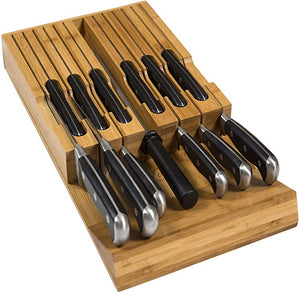
- Store Safely: Use a knife block, magnetic strip, or blade guard to prevent contact with other utensils.
Essential Tools for Keeping Knives Sharp
Maintaining a keen edge requires the right equipment. Here’s a breakdown of the most common tools and their uses:
- Honing Rod: Also known as a honing steel, this tool realigns the blade’s edge between sharpenings. Use it regularly to keep the edge straight and functional.
- Sharpening Stones: Whetstones come in various grits and are ideal for restoring a dull edge. They require some practice but offer excellent control and results.
- Manual Sharpeners: These devices guide the blade through preset angles, making them user-friendly for quick touch-ups.
- Electric Sharpeners: For those seeking convenience, electric models can quickly restore sharpness. For a detailed look at these devices, see electric knife sharpeners explained.

Step-by-Step Guide: How to Maintain Knife Sharpness
Following a consistent routine is the best way to keep your knives in optimal condition. Here’s a practical approach:
- Hone Regularly: Use a honing rod before or after each use. Hold the rod vertically and swipe the blade at the correct angle (usually 15–20 degrees) on each side.
- Sharpen as Needed: When honing no longer restores the edge, use a sharpening stone or device. Start with a coarse grit for dull blades, then progress to finer grits for a polished finish.
- Check the Edge: Test sharpness by slicing through paper or a tomato. If the blade struggles, it’s time for a touch-up.
- Clean and Dry: After sharpening, wash and dry the knife to remove any metal filings or residue.
If you’re working with specialty blades, such as ceramic or serrated knives, refer to guides like how to sharpen ceramic knives or how to sharpen serrated knives for tailored advice.
Common Mistakes to Avoid When Caring for Blades
Even with the best intentions, certain habits can undermine your efforts. Here are some pitfalls to watch out for:
- Neglecting Regular Maintenance: Waiting until a knife is completely dull makes sharpening more difficult and shortens blade life.
- Using the Wrong Tools: Not all sharpeners are suitable for every blade type. Always match the tool to your knife’s material and design.
- Improper Technique: Maintaining the correct angle is crucial. For more on this, see knife sharpening angles explained.
- Storing Knives Unprotected: Tossing knives in a drawer can damage the edge and create safety hazards.

Expert Tips for Long-Lasting Sharpness
To maximize the lifespan of your blades, consider these additional strategies:
- Rotate Your Knives: Don’t rely on a single knife for every task. Using the right blade for the job reduces wear and tear.
- Invest in Quality: High-carbon stainless steel holds its edge longer and is easier to maintain.
- Keep Blades Dry: Moisture can cause corrosion and degrade sharpness over time. Always dry knives immediately after washing.
- Sharpen Professionally: If you’re unsure about your technique or have expensive knives, consider periodic professional sharpening.
For a comprehensive tutorial on blade care and sharpening, visit this step-by-step guide to sharpening your knife from a trusted industry source.
Frequently Asked Questions
How often should I sharpen my kitchen knives?
For most home cooks, sharpening every 2–3 months is sufficient, while honing should be done before or after each use. Frequency depends on how often you use your knives and the types of foods you prepare.
What’s the difference between honing and sharpening?
Honing realigns the blade’s edge without removing material, maintaining sharpness between sharpenings. Sharpening grinds away metal to create a new edge and is needed when honing no longer restores performance.
Can I use an electric sharpener on all types of knives?
Electric sharpeners are suitable for most straight-edged knives but may not be ideal for serrated or ceramic blades. Always check your knife manufacturer’s recommendations and refer to guides on how to sharpen hunting knives for specialty blades.
What is the best way to store knives to keep them sharp?
Store knives in a block, on a magnetic strip, or with blade guards. Avoid tossing them in drawers where they can knock against other utensils and dull the edge.
Conclusion
Mastering how to maintain knife sharpness is a valuable skill that pays off in safety, efficiency, and enjoyment in the kitchen or outdoors. With the right daily habits, proper tools, and a bit of practice, you’ll keep your blades performing at their best for years to come. Remember to consult specialized resources for unique blade types and invest in quality maintenance tools for the best results.
This article contains affiliate links. We may earn a commission at no extra cost to you.