


 (858) 333-1035 Sales@knives.shop
 Keeping kitchen knives sharp is essential for safe, efficient, and enjoyable food preparation. Among the many sharpening methods available, knife sharpening with oil stones stands out for its tradition, control, and ability to deliver a keen edge. Whether you’re a home cook or a professional chef, understanding how to use oil stones can help extend the life of your blades and improve your cutting experience.
Oil stones, also known as Arkansas stones or India stones, are abrasive sharpening stones that use oil as a lubricant. They are valued for their durability and ability to produce a fine, polished edge on a variety of knives. If you’re just starting your sharpening journey, you may also want to explore knife sharpening for beginners at home for foundational tips before diving into oil stone techniques.
Understanding Oil Stones and Their Benefits
Oil stones are made from natural or synthetic materials. The most common types are:
- Arkansas stones: Natural stones quarried in Arkansas, USA, known for their fine grit and ability to produce a razor-sharp edge.
- India stones: Manufactured by bonding aluminum oxide abrasive, these stones are durable and available in coarse, medium, and fine grits.
- Crystolon stones: Made from silicon carbide, these are typically used for rapid material removal and initial edge shaping.
Using oil as a lubricant helps float away metal particles, preventing the stone from clogging and ensuring a smooth sharpening process. Compared to water stones, oil stones tend to wear more slowly and require less frequent flattening, making them a practical choice for those seeking longevity and consistent results.
Preparing for Sharpening: Tools and Setup
Before you begin, gather the following:
- An oil stone with appropriate grit (coarse for dull blades, medium for maintenance, fine for polishing).
- Sharpening oil (mineral oil or specialized honing oil).
- A stable, non-slip surface or stone holder.
- A clean, dry cloth for wiping the blade and stone.
Apply a few drops of oil to the surface of the stone and spread it evenly. Avoid using vegetable or cooking oils, as they can become rancid and gum up the stone. Proper lubrication is crucial for effective sharpening and to protect both the stone and your knives.
Step-by-Step Guide to Using Oil Stones for Knife Sharpening
Sharpening with oil stones is a hands-on process that rewards patience and attention to detail. Follow these steps for best results:
- Secure the Stone: Place the stone on a stable surface or use a non-slip mat to prevent movement during sharpening.
- Determine the Angle: Most kitchen knives are sharpened at an angle between 15° and 20°. Maintaining a consistent angle is key to achieving a sharp edge.
- Sharpen One Side: Hold the knife at the chosen angle and draw the blade across the stone, starting at the heel and moving toward the tip. Use gentle, even pressure and cover the entire edge.
- Repeat on the Other Side: Flip the knife and repeat the process on the opposite side, ensuring the number of strokes is balanced for an even edge.
- Progress Through Grits: If using a multi-grit stone, start with the coarsest side and move to finer grits for polishing. Clean the stone and reapply oil as needed between grits.
- Test the Edge: After sharpening, carefully check the blade’s sharpness by slicing through paper or gently running your thumb perpendicular to the edge (never along the edge).
Wipe the blade clean after sharpening to remove any oil and metal residue. Store your knives dry to prevent corrosion.
Comparing Oil Stones to Other Sharpening Methods
There are several ways to maintain a knife’s edge, each with its own pros and cons. Oil stones offer a traditional, tactile approach that gives users full control over the sharpening process. Unlike electric sharpeners or guided systems, oil stones require practice but reward users with a custom edge and a deeper understanding of blade maintenance.
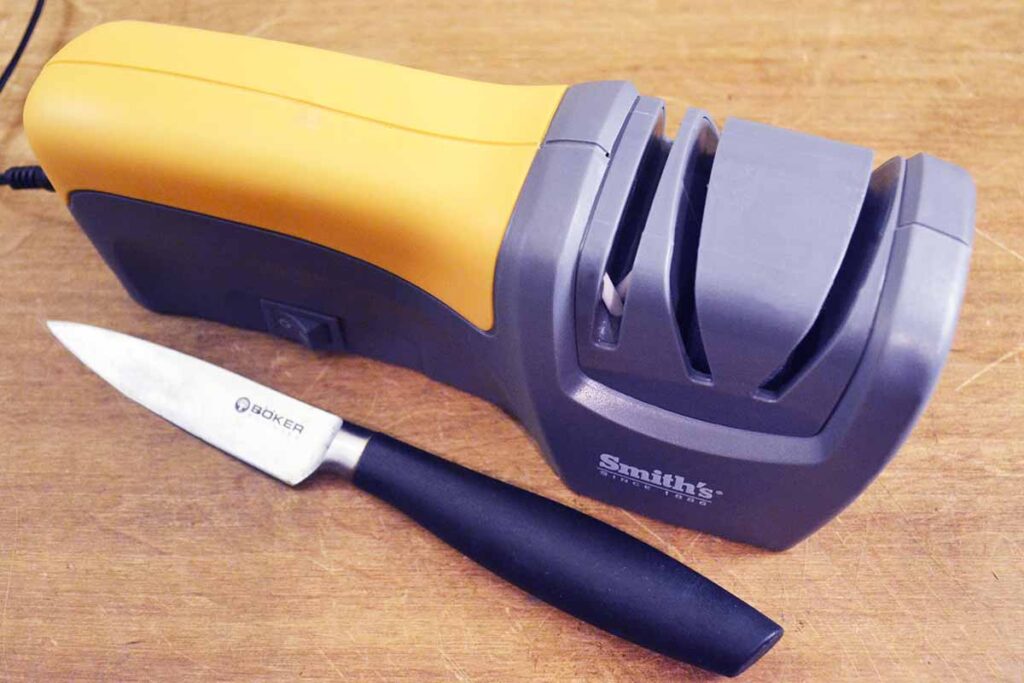
For those interested in exploring alternatives, consider reading about knife sharpening with electric machines for a faster, more automated solution. Electric sharpeners are ideal for those who value speed and convenience, while oil stones are best suited for those who appreciate hands-on craftsmanship.
Tips for Maintaining Your Oil Stone and Knives
Proper care of your sharpening tools is just as important as caring for your knives. Here are some maintenance tips:
- Clean the stone after each use by wiping away oil and metal filings. Occasionally, use a mild detergent and a brush for a deeper clean.
- Flatten the stone periodically if you notice uneven wear. A flat surface ensures consistent sharpening results.
- Store stones dry in a cool, ventilated area to prevent oil buildup and dust accumulation.
- Keep knives dry after sharpening and avoid prolonged exposure to moisture to prevent rust.
Regular maintenance not only extends the life of your oil stone but also ensures your knives remain sharp and safe to use.
Common Mistakes to Avoid When Using Oil Stones
Even experienced users can make mistakes when sharpening knives. Here are some pitfalls to watch out for:
- Using the wrong oil: Always use mineral oil or a dedicated honing oil. Avoid vegetable oils, which can spoil and damage the stone.
- Inconsistent angle: Fluctuating the sharpening angle leads to a dull or uneven edge. Practice maintaining a steady angle throughout each stroke.
- Applying too much pressure: Let the stone do the work. Excessive force can damage both the blade and the stone.
- Neglecting to clean the stone: Metal filings can clog the surface, reducing effectiveness. Clean the stone regularly for optimal performance.
Further Resources and Learning
For those looking to expand their sharpening skills, there are many resources available. Explore guides on knife sharpening with professional tools or discover creative approaches in knife sharpening using DIY methods. These articles offer additional insights and techniques for keeping your blades in top condition.
If you prefer a visual walkthrough, you can also find step-by-step instructions and tips on how to sharpen kitchen knives from trusted culinary brands.
Frequently Asked Questions
How often should I sharpen my knives with oil stones?
The frequency depends on how often you use your knives and the type of food you cut. For home cooks, sharpening every few months is usually sufficient. Professional chefs or those using knives daily may need to sharpen more frequently. Regular honing with a steel can help maintain the edge between sharpening sessions.
Can I use water instead of oil on an oil stone?
No, oil stones are specifically designed to be used with oil. Using water can reduce their effectiveness and may damage the stone. Always use mineral oil or a recommended honing oil for best results.
What’s the difference between oil stones and water stones?
Oil stones use oil as a lubricant and tend to be harder and more durable, requiring less frequent flattening. Water stones use water and are generally softer, which allows for faster sharpening but also means they wear down more quickly. Both types can produce sharp edges, but oil stones are often preferred for their longevity and ease of maintenance.
Conclusion
Mastering the use of oil stones for knife care is a valuable skill for anyone who values sharp, reliable kitchen tools. With the right technique and regular maintenance, oil stones can keep your blades performing at their best for years. Whether you’re sharpening chef’s knives, paring knives, or specialty blades, this classic method offers precision and satisfaction that modern alternatives can’t always match.
This article contains affiliate links. We may earn a commission at no extra cost to you.