


 (858) 333-1035 Sales@knives.shop
 For culinary professionals, a razor-sharp knife is more than just a tool—it's an extension of skill and precision in the kitchen. Mastering knife sharpening for professional chefs is essential for maintaining speed, safety, and consistency during food preparation. Dull blades can slow down workflow, increase the risk of accidents, and compromise the quality of every cut. Whether you're working in a bustling restaurant or perfecting your craft at home, understanding the best sharpening techniques and tools is crucial for optimal performance.
This guide explores the most effective methods, expert tips, and common pitfalls to avoid when keeping your kitchen knives in peak condition. You'll also find practical advice on choosing the right sharpening equipment, maintaining your blades, and integrating sharpening into your regular kitchen routine. For those specializing in specific knife types, you may also benefit from resources like knife sharpening for Gyuto knives, which covers techniques tailored to Japanese chef's knives.
Why Sharp Knives Matter in a Professional Kitchen
Sharp knives are fundamental to efficient and safe kitchen work. A well-honed blade allows chefs to make precise cuts, preserve ingredient integrity, and reduce waste. Dull knives, on the other hand, require more force, increasing the chance of slipping and causing injury. Consistent sharpness also ensures uniformity in presentation and cooking times, which is especially important in high-volume or fine-dining environments.
Regular sharpening is not just about maintaining an edge—it's about upholding the standards of professional cooking. Chefs who prioritize blade care demonstrate attention to detail and respect for their craft.
Essential Tools for Knife Sharpening in Professional Settings
There are several tools available for maintaining and restoring a keen edge on your knives. Each has its strengths and is suited to different levels of expertise and sharpening needs:
- Whetstones (Sharpening Stones): These offer the most control and are favored by many professionals. They come in various grits for coarse grinding, sharpening, and polishing.
- Honing Rods: Often made of steel or ceramic, honing rods realign the blade's edge between sharpening sessions. They do not remove metal but help maintain sharpness.
- Manual Sharpeners: These devices have preset angles and are user-friendly, making them suitable for quick touch-ups.
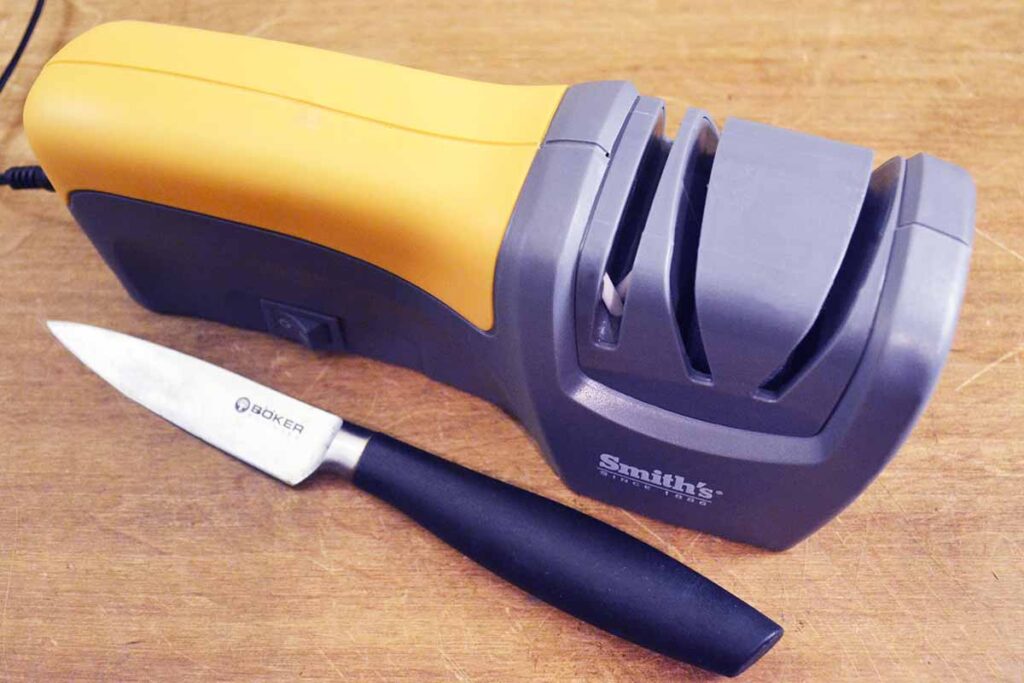
- Electric Sharpeners: For speed and consistency, electric models are popular in busy kitchens. They are ideal for those who need to sharpen multiple knives quickly and with minimal effort.
Choosing the right tool depends on your knife type, skill level, and how often you need to sharpen your blades. For a deeper dive into sharpening different knife styles, you might explore guides like knife sharpening for cleavers or knife sharpening for skinners.
Step-by-Step Guide to Sharpening Chef Knives
Proper technique is key to achieving a razor-sharp edge. Here’s a step-by-step approach used by professionals:
- Choose the Right Grit: Start with a coarse stone (around 400–800 grit) for dull blades, then progress to a medium (1000–3000) and finish with a fine stone (6000+).
- Soak the Stone: If using a water stone, soak it for 10–15 minutes before use. Oil stones require a light coating of honing oil.
- Set the Angle: Most chef knives are sharpened at a 15–20 degree angle. Maintaining a consistent angle is crucial for an even edge.
- Sharpen Both Sides: Draw the blade across the stone from heel to tip, applying gentle pressure. Repeat on both sides, counting strokes to keep the edge symmetrical.
- Refine and Polish: Move to higher grits to refine the edge and remove burrs. Finish with a few strokes on a honing rod for alignment.
- Clean and Test: Wipe the blade clean and test sharpness by slicing through paper or a tomato. If necessary, repeat the process.
For more detailed instructions and troubleshooting, consider reading this comprehensive guide to knife sharpening techniques.
Common Mistakes to Avoid When Sharpening Knives
Even experienced chefs can make errors that hinder results or damage their blades. Here are some frequent pitfalls:
- Inconsistent Angle: Changing the sharpening angle mid-stroke leads to a wavy or uneven edge.
- Skipping Grits: Jumping from coarse to fine without intermediate steps can leave a rough edge.
- Neglecting the Burr: Failing to remove the burr (a tiny wire edge) results in a blade that feels sharp but dulls quickly.
- Over-Sharpening: Excessive sharpening can wear down the blade and shorten its lifespan.
- Not Cleaning the Stone: Debris buildup reduces effectiveness. Clean your stone regularly for best results.
Integrating Knife Maintenance Into Your Routine
Maintaining sharp knives is an ongoing process, not a one-time task. Here are some habits to help you keep your blades in top condition:
- Hone Regularly: Use a honing rod daily or after every use to realign the edge.
- Sharpen as Needed: Depending on usage, sharpen your knives every few weeks or when you notice a decline in performance.
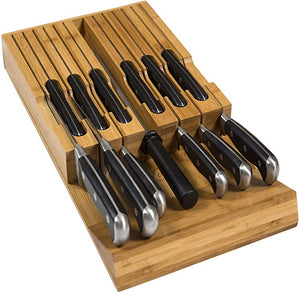
- Store Properly: Use a knife block, magnetic strip, or blade guard to prevent dulling and damage.
- Hand Wash Only: Avoid dishwashers, which can damage both the blade and handle.
- Use the Right Cutting Surface: Opt for wood or plastic boards instead of hard surfaces like glass or stone.
For those working with specialty blades, you may also want to review resources on knife sharpening for filleting knives to ensure proper care for delicate or flexible knives.
Advanced Tips for Maintaining a Professional Edge
For those who want to elevate their sharpening skills, consider these advanced strategies:
- Strop the Blade: Using a leather strop with polishing compound can achieve a mirror finish and razor edge.
- Monitor Edge Geometry: Over time, repeated sharpening can alter the blade’s profile. Maintain the original geometry for optimal performance.
- Sharpen for Purpose: Adjust your edge angle based on the knife’s intended use—lower angles for slicing, higher for durability.
- Keep Records: Note sharpening dates and techniques to track what works best for your knives and workflow.
FAQ: Knife Sharpening for Professional Chefs
How often should a chef sharpen their knives?
Frequency depends on usage, but most professionals sharpen their main knives every 2–4 weeks. Honing should be done daily to maintain the edge between sharpening sessions.
What is the best angle for sharpening chef knives?
Most Western-style chef knives perform best at a 15–20 degree angle per side. Japanese knives may require a slightly lower angle, typically around 12–15 degrees, for a finer edge.
Can electric sharpeners damage professional knives?
When used correctly, quality electric sharpeners are safe for most chef knives and can save time in busy kitchens. However, overuse or improper technique can remove too much metal or create uneven edges. Always follow the manufacturer's instructions and use the device sparingly for best results.
This article contains affiliate links. We may earn a commission at no extra cost to you.