


 (858) 333-1035 Sales@knives.shop
 Keeping your kitchen blades in top condition doesn't always require a full restoration. For those who use their knives regularly but not heavily, understanding how to sharpen lightly used knives can help maintain performance and extend the life of your tools. This guide covers practical steps, recommended tools, and expert tips for maintaining a keen edge without overdoing it.
Whether you’re slicing vegetables, prepping proteins, or just want your favorite chef’s knife to glide through food, a sharp blade is essential. Lightly used knives often need only a touch-up rather than a full sharpening, which saves time and preserves the blade’s longevity. We’ll walk through the best approaches, common mistakes to avoid, and how to choose between manual and electric sharpeners for routine maintenance.
For those interested in more specialized techniques, such as knife sharpening for Gyuto knives, exploring dedicated guides can provide additional insights tailored to specific blade types.
Why Regular Touch-Ups Matter for Kitchen Blades
Even with careful use, kitchen knives gradually lose their sharpness. Everyday tasks like chopping, slicing, and dicing cause the edge to roll or develop microscopic nicks. While a heavily dulled knife may need a full sharpening session, lightly used blades often benefit from a quick touch-up. This approach keeps your knives performing at their best and reduces the need for more aggressive sharpening, which can wear down the blade over time.
Maintaining a keen edge also improves safety. A sharp knife requires less force, giving you better control and reducing the risk of slips or accidents. Regular maintenance helps you get consistent results in the kitchen and makes food prep more enjoyable.
Choosing the Right Tools for Light Maintenance
When considering how to sharpen lightly used knives, the choice of tool is crucial. The right equipment can make the process quick and effective without removing too much material from the blade.
- Honing Rods: Best for realigning the edge between sharpenings. A few gentle strokes can restore sharpness if the blade is only slightly dull.
- Sharpening Stones: Fine-grit stones (1000–3000 grit) are ideal for touch-ups. They remove minimal metal and refine the edge.
- Electric Sharpeners: Modern electric sharpeners offer preset angles and gentle abrasives, making them suitable for quick maintenance on lightly used knives.
- Pull-Through Sharpeners: Convenient for fast touch-ups, but use sparingly to avoid excessive wear.

Step-by-Step Guide: Touching Up a Lightly Used Knife
Follow these steps to keep your kitchen blades in peak condition with minimal effort:
- Inspect the Edge: Hold the blade under a light and look for dull spots or tiny chips. If the edge is mostly intact, a touch-up will suffice.
- Choose Your Tool: For most home cooks, a fine-grit stone or a quality electric sharpener is ideal for routine maintenance.
- Set the Angle: Most kitchen knives are sharpened at a 15–20 degree angle. Maintain this angle consistently for the best results.
- Sharpen Gently: If using a stone, apply light pressure and make smooth strokes from heel to tip. For electric sharpeners, follow the manufacturer’s instructions and avoid pressing too hard.
- Alternate Sides: Work both sides of the blade evenly to maintain symmetry and prevent uneven wear.
- Test the Sharpness: After a few passes, check the edge by slicing a piece of paper or a tomato. If it cuts cleanly, the knife is ready for use.
- Finish with a Honing Rod: A few strokes on a honing rod can further refine the edge and remove any remaining burrs.
Common Mistakes to Avoid When Honing Lightly Used Blades
Proper technique is essential for effective maintenance. Here are some frequent errors to watch out for:
- Over-sharpening: Using coarse abrasives or too many passes can wear down the blade unnecessarily. Stick to fine abrasives and gentle pressure for touch-ups.
- Incorrect Angle: Sharpening at the wrong angle can damage the edge or make it less effective. Use guides or preset sharpeners if you’re unsure.
- Neglecting to Clean the Blade: Always wipe the knife clean after sharpening to remove metal filings and debris.
- Skipping the Honing Step: Honing realigns the edge and should be part of regular maintenance, even if the knife feels sharp.

Manual vs. Electric Sharpeners: Which Is Best for Routine Care?
Both manual and electric sharpeners can be effective for keeping lightly used blades sharp, but each has its pros and cons:
| Tool Type | Advantages | Considerations |
|---|---|---|
| Manual Stones | Precise control, minimal metal removal, suitable for all blade types | Requires practice, takes more time |
| Electric Sharpeners | Fast, consistent results, easy to use | May not fit all knives, risk of over-sharpening if used excessively |
| Pull-Through Devices | Convenient, portable | Can be aggressive, best for quick fixes only |
For most home cooks, a combination of a fine stone and an electric sharpener offers flexibility and efficiency. If you’re interested in sharpening specialty blades, such as knife sharpening for skinners or knife sharpening for cleavers, check out dedicated guides for those knife types.
Expert Tips for Maintaining a Sharp Edge
To keep your kitchen tools performing at their best, consider these additional tips:
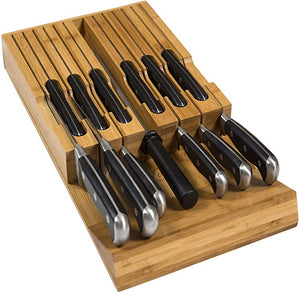
- Store Knives Properly: Use a knife block, magnetic strip, or blade guards to prevent dulling from contact with other utensils.
- Use the Right Cutting Surface: Stick to wood or plastic boards. Glass, ceramic, or stone surfaces can quickly dull even the sharpest blades.
- Clean and Dry After Use: Wash knives by hand and dry them immediately to prevent corrosion and maintain edge integrity.
- Hone Regularly: Even if the knife feels sharp, a few strokes on a honing rod before each use can make a noticeable difference.
For more in-depth sharpening advice, including step-by-step instructions and troubleshooting, visit this comprehensive guide to knife sharpening techniques.
Frequently Asked Questions
How often should I sharpen a lightly used kitchen knife?
For most home cooks, touching up a lightly used knife every 1–2 months is sufficient. However, regular honing after each use can extend the time between sharpening sessions.
What’s the difference between honing and sharpening?
Honing realigns the blade’s edge without removing metal, while sharpening grinds away material to restore a dull edge. Lightly used knives often need honing more frequently than sharpening.
Can I use an electric sharpener for all my kitchen knives?
Electric sharpeners are suitable for most Western-style knives, but may not be ideal for specialty blades or knives with unique angles. Always check the manufacturer’s recommendations and use manual stones for delicate or high-end knives.
Maintaining your kitchen blades with regular, gentle touch-ups ensures they stay sharp, safe, and ready for any culinary task. With the right tools and techniques, you can keep your knives performing like new for years to come.
This article contains affiliate links. We may earn a commission at no extra cost to you.