


 (858) 333-1035 Sales@knives.shop
 Keeping serrated knives sharp is essential for efficient and safe cutting, whether you’re slicing bread, tomatoes, or other foods with tough exteriors and soft interiors. Unlike straight-edged blades, serrated knives require a different approach to care and sharpening. Understanding how to maintain serrated knife edges helps preserve their unique cutting ability and extends the life of your kitchen tools.
Many people assume that serrated blades never need sharpening, but over time, even these specialized knives can become dull. When that happens, you may notice tearing instead of clean slicing, or increased effort needed to cut through foods. Fortunately, with the right tools and techniques, you can restore and maintain the performance of your serrated knives at home.
For those looking to troubleshoot common sharpening issues, the knife sharpening troubleshooting guide offers practical solutions and tips for both beginners and experienced users.
Understanding Serrated Blades and Their Unique Maintenance Needs
Serrated knives are designed with a series of pointed teeth or scallops along the edge. These teeth allow the blade to grip and cut through crusty bread, delicate pastries, and foods with tough skins more effectively than a straight-edged knife. The valleys between the teeth, called gullets, do most of the cutting work, while the points help guide the blade through food.
Because only the tips and gullets make contact with the cutting surface, serrated knives tend to stay sharp longer than straight-edged knives. However, they are not immune to wear. Over time, the points can become rounded and the gullets can lose their sharpness, reducing the knife’s effectiveness. Regular care and occasional sharpening are key to keeping these blades in top condition.
Why Proper Care Is Essential for Serrated Knives
Proper maintenance of serrated knives goes beyond sharpening. Routine cleaning, correct storage, and gentle use all contribute to the longevity of your blades. Here’s why each aspect matters:
- Cleaning: Food particles can get trapped in the gullets, leading to corrosion or dullness. Clean your knife immediately after use with warm, soapy water and a soft brush.
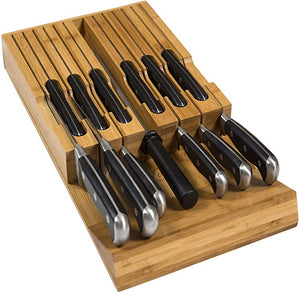
- Storage: Storing serrated knives in a knife block, sheath, or on a magnetic strip prevents accidental dulling and keeps the edge protected.
- Usage: Use serrated knives only for their intended purposes. Avoid twisting or prying, which can damage the teeth and edge.
How to Maintain Serrated Knife Edges: Step-by-Step Guide
Sharpening serrated knives requires a different approach than straight blades. Here’s a practical method to keep your serrated edges performing at their best:
- Choose the Right Tool: Use a tapered sharpening rod (often called a ceramic or diamond rod) that fits into the gullets of your knife. Some electric sharpeners also offer settings for serrated blades.
- Identify the Beveled Side: Most serrated knives have one side that is beveled (angled) and one side that is flat. Only sharpen the beveled side to preserve the knife’s cutting geometry.
- Sharpen Each Gullet: Insert the rod into each gullet and gently move it back and forth, following the original angle. Use light pressure and a few strokes per gullet.
- Remove Burrs: After sharpening, lightly run the flat side of the blade over a fine stone or strop to remove any burrs.
- Clean and Test: Wash the knife to remove any metal filings, then test the edge on a piece of bread or tomato to ensure it cuts cleanly.

Choosing the Right Sharpening Tools for Serrated Edges
Not all sharpeners are suitable for serrated blades. The most effective options include:
- Ceramic or Diamond Sharpening Rods: These are tapered to fit various gullet sizes and allow precise sharpening of each serration.
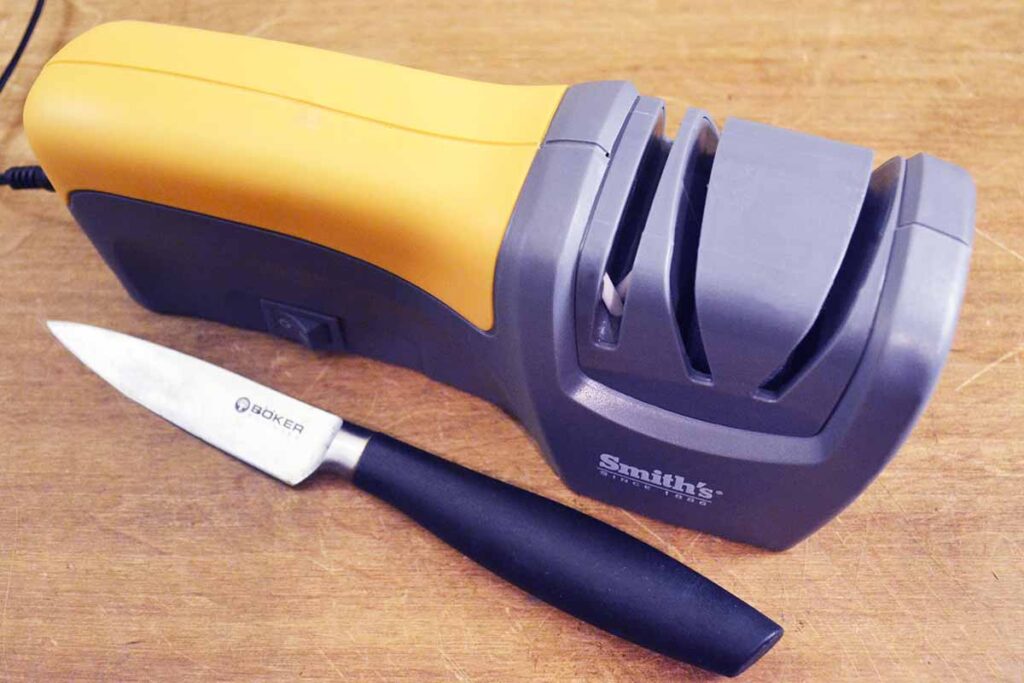
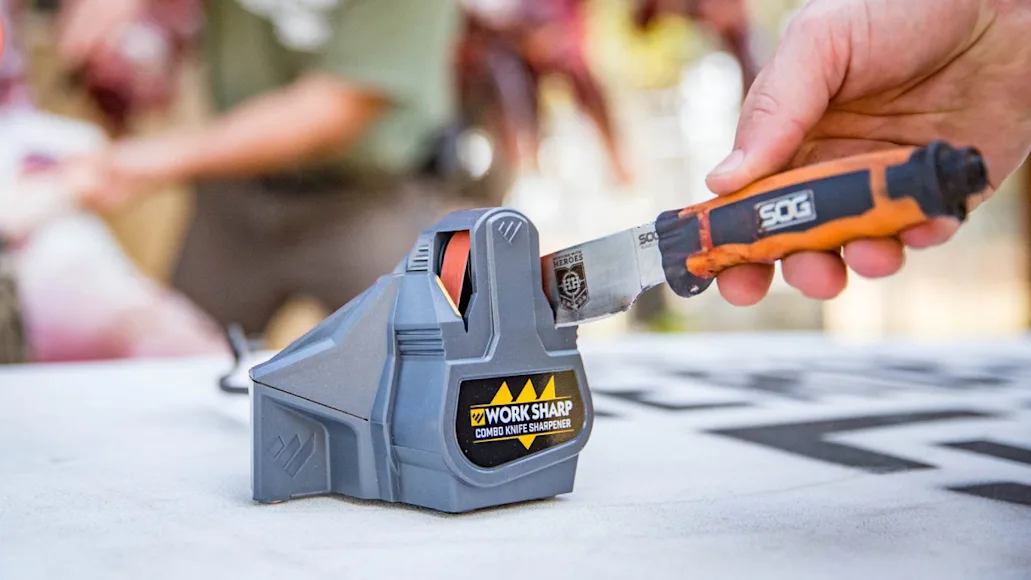
- Electric Sharpeners with Serrated Settings: Some modern electric sharpeners have slots specifically designed for serrated knives, making the process faster and more consistent.
- Manual Pull-Through Sharpeners: A few manual sharpeners are designed to accommodate serrated blades, but always check the manufacturer’s recommendations before use.
For a detailed overview of sharpening methods and troubleshooting, you can refer to resources like the comprehensive guide to knife sharpening techniques.
How Often Should You Sharpen Serrated Knives?
Serrated knives generally require sharpening less frequently than straight-edged knives. Depending on usage, you may only need to sharpen them once or twice a year. Signs that your serrated knife needs attention include increased resistance when cutting, visible rounding of the teeth, or tearing instead of slicing.
In between sharpenings, regular cleaning and proper storage will help maintain the edge. If you use your serrated knife daily, consider inspecting the edge every few months and touching up as needed.
Common Mistakes to Avoid When Caring for Serrated Blades
Proper technique is crucial for maintaining the unique edge of serrated knives. Here are some mistakes to avoid:
- Sharpening Both Sides: Only the beveled side should be sharpened. Sharpening the flat side can ruin the serrations.
- Using a Flat Stone: Standard whetstones are not suitable for serrated edges, as they cannot reach into the gullets.
- Neglecting Cleaning: Failing to clean the knife after use or sharpening can lead to corrosion and reduced performance.
- Applying Excessive Pressure: Gentle strokes are more effective and help preserve the shape of the teeth.
For those who want to explore more about sharpening techniques for different users, check out the knife sharpening for right-handed users article, which covers additional tips and considerations.
Additional Tips for Prolonging the Life of Your Serrated Knives
- Always hand wash and dry your knives immediately after use to prevent rust and buildup.
- Store knives in a dedicated block, sheath, or on a magnetic strip to avoid accidental dulling.
- Use a cutting board made of wood or plastic instead of glass or stone, which can quickly dull the edge.
- Inspect your knives regularly for signs of wear and address issues promptly to avoid more extensive damage.
Frequently Asked Questions
Can I Use a Regular Knife Sharpener on Serrated Blades?
No, standard flat sharpeners or whetstones are not effective for serrated knives. Use a tapered rod or an electric sharpener designed for serrated edges to ensure each gullet is properly sharpened.
How Do I Know When My Serrated Knife Needs Sharpening?
Signs include increased resistance when cutting, tearing food instead of slicing, or visibly rounded teeth. If the knife no longer performs as it did when new, it’s time for maintenance.
Is It Better to Sharpen or Replace a Dull Serrated Knife?
Most quality serrated knives can be sharpened and restored. However, if the teeth are severely damaged or worn down, replacement may be necessary. Regular maintenance helps avoid the need for early replacement.
Should I Sharpen All the Serrations or Only the Ones That Are Dull?
It’s best to sharpen all the gullets for a consistent edge. However, if only a few are dull, you can focus on those areas, but be sure to maintain the overall shape of the blade.
Maintaining the edge of your serrated knives doesn’t have to be complicated. With the right approach and tools, you can keep your blades sharp, safe, and ready for any kitchen task.
This article contains affiliate links. We may earn a commission at no extra cost to you.