


 (858) 333-1035 Sales@knives.shop
 Keeping your kitchen blades sharp is essential for efficient, safe, and enjoyable cooking. Dull edges not only make food prep more difficult but also increase the risk of accidents. Understanding the fundamentals of knife sharpening for kitchen knives empowers home cooks and professionals alike to maintain their tools in top condition. This guide covers the most effective sharpening methods, recommended tools, and practical tips to help you achieve razor-sharp results at home.
Whether you’re slicing vegetables, filleting fish, or carving meat, a properly honed edge makes all the difference. By learning the right techniques and using the appropriate equipment, you’ll extend the life of your knives and improve your overall kitchen experience. If you’re interested in specialized techniques for different types of blades, you might also want to read about knife sharpening for Gyuto knives for more advanced insights.
Why Sharp Knives Matter in the Kitchen
Sharp kitchen blades offer several advantages beyond just making cutting easier. A well-maintained edge:
- Improves safety: Sharp knives require less force, reducing the chance of slipping and accidental cuts.
- Enhances precision: Clean cuts help preserve the texture and appearance of ingredients.
- Boosts efficiency: Tasks like chopping, dicing, and slicing become quicker and less tiring.
- Extends knife lifespan: Regular maintenance prevents excessive wear and damage.
Neglecting regular sharpening can result in more frequent replacements and a frustrating cooking experience.
Common Methods for Sharpening Kitchen Blades
There are several effective ways to restore a keen edge to your kitchen tools. The best method depends on your skill level, the type of knives you own, and your personal preferences. Here are the most popular approaches:
Manual Whetstones
Whetstones, or sharpening stones, are a traditional and highly effective way to sharpen kitchen blades. They come in various grits, from coarse (for repairing chips or very dull edges) to fine (for polishing and finishing). Using a whetstone requires some practice but offers excellent control over the sharpening angle and finish.
- Soak the stone (if water-based) for 10–15 minutes before use.
- Hold the knife at a consistent angle (typically 15–20 degrees).
- Draw the blade across the stone in smooth, even strokes.
- Start with the coarse side, then progress to finer grits for a polished edge.

Electric Sharpeners for Kitchen Knives
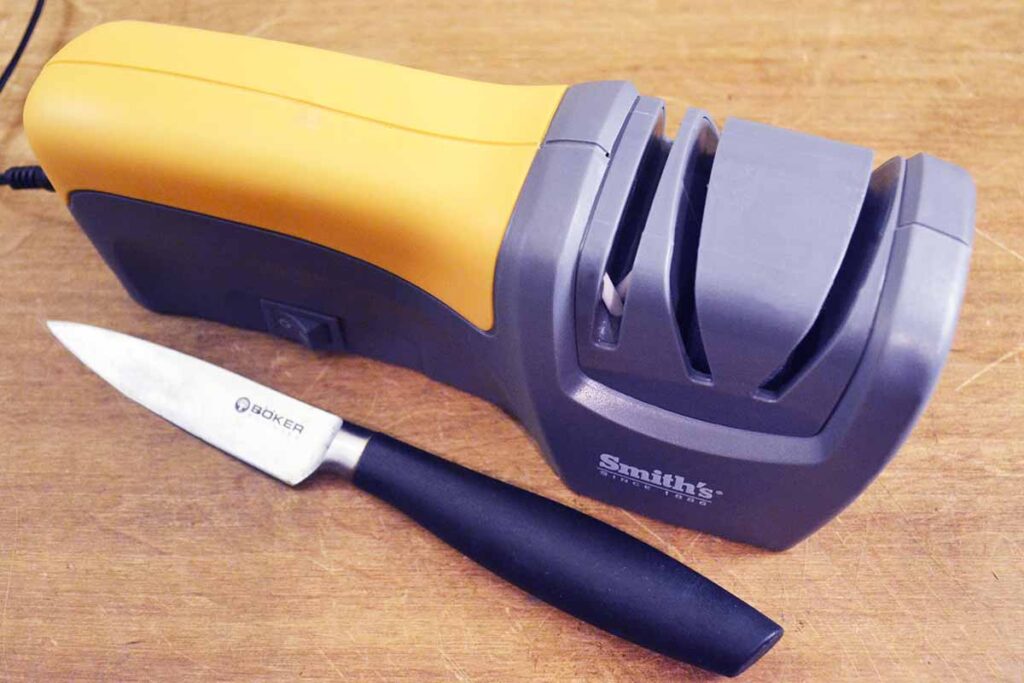
For those seeking convenience and speed, electric sharpeners are a practical solution. These devices use motorized abrasive wheels to grind and hone the blade at preset angles, making them ideal for busy home cooks or anyone uncomfortable with manual sharpening.
- Place the knife in the designated slot and pull it through as directed.
- Most models offer multiple stages for coarse grinding and fine honing.
- Electric sharpeners are especially useful for Western-style kitchen knives but may not suit delicate Japanese blades.
When choosing an electric sharpener, look for models with adjustable settings and quality abrasive materials to ensure consistent results.
Pull-Through Sharpeners and Honing Rods
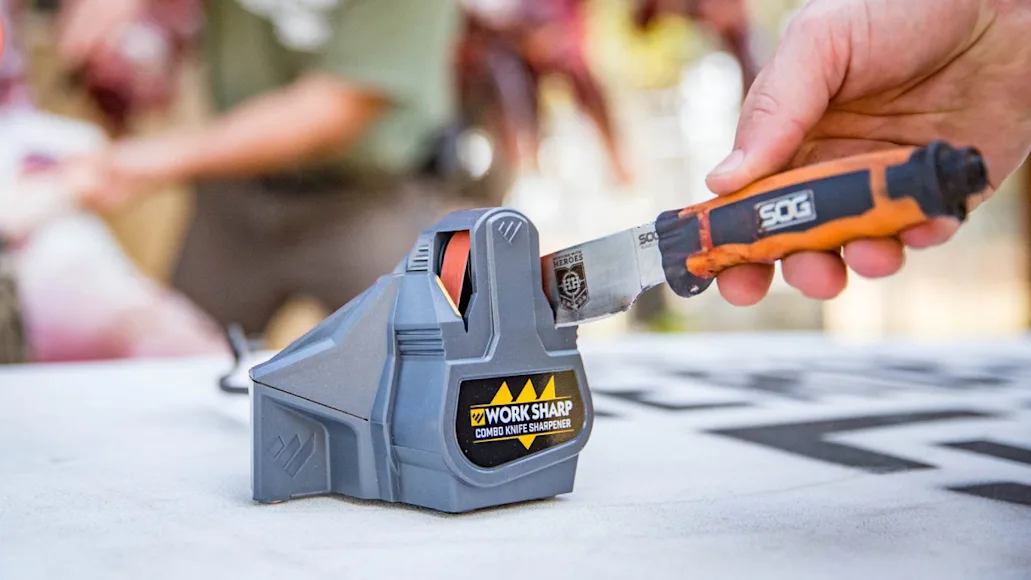
Pull-through sharpeners are compact, easy-to-use devices that guide the blade through preset abrasive slots. While they don’t offer the precision of whetstones or high-end electric models, they’re suitable for quick touch-ups and maintaining an edge between more thorough sharpening sessions.
Honing rods (also called sharpening steels) don’t actually sharpen but rather realign the edge, correcting minor bends and keeping the blade performing well. Regular honing extends the time between full sharpening sessions.
Tips for Effective Knife Maintenance
Consistent care is key to keeping your kitchen blades in optimal condition. Here are some practical tips:
- Clean knives immediately after use to prevent corrosion and residue buildup.
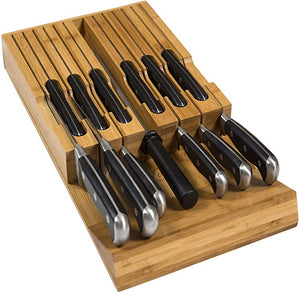
- Store knives properly in a block, magnetic strip, or sheath to protect the edge.
- Hone regularly with a steel to maintain sharpness between sharpening sessions.
- Sharpen as soon as you notice dullness—don’t wait until the blade struggles to cut.
- Use the right cutting surface (wood or plastic, not glass or stone) to avoid damaging the edge.
Choosing the Right Sharpening Tools
With so many options available, selecting the best sharpening method can feel overwhelming. Consider these factors:
- Blade type: Japanese knives often require finer stones and gentler techniques, while Western knives can handle more aggressive sharpening.
- Skill level: Beginners may prefer electric or pull-through sharpeners for ease of use, while enthusiasts might enjoy mastering whetstones.
- Frequency of use: Professional chefs or avid home cooks may benefit from investing in higher-quality stones or electric models.
For more detailed techniques and tips, check out this comprehensive guide to knife sharpening tricks that covers a range of sharpening strategies.
Sharpening Frequency and Signs Your Knife Needs Attention
How often you should sharpen depends on how frequently you use your knives and the type of food you prepare. As a general rule:
- Home cooks: Sharpen every 2–3 months, hone weekly.
- Professional kitchens: Sharpen monthly or as needed, hone daily.
Signs that your blade needs sharpening include:
- Difficulty slicing through tomatoes or soft foods.
- Noticeable slipping or tearing rather than clean cuts.
- Visible nicks or chips along the edge.
Sharpening for Different Types of Kitchen Knives
Different kitchen blades may require unique approaches. For example, serrated knives need special tools and techniques, while cleavers and filleting knives benefit from specific angles and grits. If you’re interested in learning more about sharpening other types of blades, you can explore topics like knife sharpening for cleavers or knife sharpening for filleting knives for more tailored advice.
Frequently Asked Questions
What is the best angle for sharpening kitchen knives?
Most Western-style kitchen blades are sharpened at a 20-degree angle, while Japanese knives often use a 15-degree angle for a finer edge. Always check the manufacturer’s recommendations for your specific knife.
How can I tell if my knife is sharp enough?
A sharp blade should easily slice through paper or a ripe tomato without crushing or tearing. You can also try gently shaving a thin layer off a carrot or onion—if it glides smoothly, the edge is sharp.
Is it safe to use electric sharpeners on all kitchen knives?
Electric sharpeners are generally safe for most Western-style kitchen knives. However, they may not be suitable for delicate Japanese blades, serrated knives, or specialty edges. Always read the instructions and use the correct settings for your knife type.
This article contains affiliate links. We may earn a commission at no extra cost to you.