


 (858) 333-1035 Sales@knives.shop
 Chipped blades are a common frustration for home cooks and professionals alike. Whether it’s a minor nick or a noticeable chunk missing from the edge, a damaged knife can hinder performance and even become unsafe to use. Fortunately, learning how to repair chipped knives is a practical skill that can extend the life of your favorite kitchen tools and restore their cutting efficiency.
This guide covers the causes of blade chipping, the tools and techniques needed for repair, and step-by-step instructions for restoring both minor and major chips. You’ll also find tips for preventing future damage and maintaining a sharp, reliable edge. If you’re interested in specialized sharpening techniques, you might also want to explore knife sharpening for Gyuto knives for more targeted advice.
Understanding Why Knife Blades Chip
Before tackling the repair process, it’s helpful to know what causes chips in the first place. Most chips occur due to:
- Hard impacts with bones, frozen foods, or hard surfaces like glass or stone cutting boards.
- Improper storage where blades knock against other utensils.
- Incorrect sharpening techniques that weaken the edge.
- Low-quality steel or manufacturing defects.
Understanding these factors can help you avoid future damage and keep your knives in top condition.
Essential Tools for Fixing Chipped Knife Edges
To restore a chipped blade, you’ll need some basic sharpening equipment. The right tools depend on the size and severity of the chip:
- Whetstones (coarse, medium, and fine grit)
- Diamond stones for faster material removal on deep chips
- Sharpening guides to maintain a consistent angle
- Electric knife sharpeners for convenience (especially for beginners)
- Leather strop for final edge refinement
- Clean towel and water for stone lubrication and cleanup
If you’re new to sharpening, consider reading a detailed tutorial on how to sharpen a knife using different methods to build your confidence before attempting repairs.
Assessing the Damage: Minor vs. Major Chips
Not all chips require the same approach. Here’s how to evaluate the damage:
- Minor chips are small nicks or shallow dents along the edge (usually less than 1mm deep). These can often be removed with regular sharpening.
- Major chips are deeper or longer sections missing from the blade. Repairing these requires removing more material and reshaping the edge.
Take a close look at your knife in good light. If you can feel the chip with your fingernail or see a visible gap, you’ll likely need to use a coarse stone or diamond plate to restore the edge.

Step-by-Step Guide: Restoring a Chipped Blade
1. Prepare Your Workspace
Lay out your sharpening stones, towel, and water. Make sure you have good lighting and a stable surface to work on. Safety is key—keep your fingers clear of the blade at all times.
2. Start with a Coarse Stone
For repairing chipped knives, begin with a coarse grit (200–400) whetstone or diamond plate. Soak the stone if required. Hold the knife at the correct angle (usually 15–20 degrees for kitchen knives) and use smooth, even strokes to grind away the damaged section. Focus on the chipped area but work the entire edge to maintain an even profile.
3. Check Your Progress Frequently
After every few passes, wipe the blade clean and inspect the edge. The goal is to grind down the chip until the edge is smooth and continuous. For deep chips, this may take several minutes or more. Be patient—removing too much material can shorten the life of your knife.
4. Move to Finer Stones
Once the chip is gone, switch to a medium grit (1000–2000) stone to refine the edge. Finish with a fine grit (3000+) for a razor-sharp finish. Use lighter pressure and maintain a consistent angle throughout.
5. Strop and Clean
After sharpening, use a leather strop to polish the edge and remove any remaining burrs. Rinse and dry the knife thoroughly before storing it safely.

Tips for Preventing Future Chips
Once your knife is restored, a few simple habits can help you avoid repeat damage:
- Use only wooden or plastic cutting boards—avoid glass, marble, or ceramic surfaces.
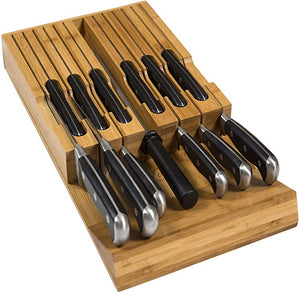
- Store knives in a block, sheath, or on a magnetic strip to prevent edge contact.
- Don’t use your kitchen knife for prying, twisting, or cutting frozen foods or bones.
- Sharpen regularly using proper technique. For specific blades, see our guides on knife sharpening for cleavers or knife sharpening for skinners.
Consistent care will keep your blades sharp, safe, and ready for any kitchen task.
When to Seek Professional Help
Some chips are too severe or located too close to the heel or tip for safe home repair. If you’re unsure about fixing a badly damaged blade, or if the knife is expensive or sentimental, it’s wise to consult a professional sharpening service. They have the expertise and specialized equipment to restore your knife with minimal risk.
Frequently Asked Questions
Can all chipped knives be fixed at home?
Most minor and moderate chips can be repaired with the right tools and patience. However, very deep chips, cracks, or damage to specialty blades may require professional attention to avoid further harm.
Will removing chips make my knife shorter?
Yes, grinding out chips involves removing some steel from the edge, which can slightly shorten the blade over time. With careful technique, the amount removed is usually minimal and won’t affect performance for most users.
Is it safe to use a chipped knife?
Using a chipped blade is not recommended. Chips can catch on food, increase the risk of slipping, and may worsen with use. Repairing the edge restores both safety and cutting efficiency.
Conclusion
Restoring a chipped blade is a valuable skill that can save money and keep your kitchen running smoothly. With the right approach and tools, most chips can be repaired at home, allowing you to enjoy a sharp, reliable edge for years to come. For more sharpening tips and blade care advice, explore our other resources or consider investing in a quality electric sharpener for added convenience.
This article contains affiliate links. We may earn a commission at no extra cost to you.