


 (858) 333-1035 Sales@knives.shop
 Maintaining a razor-sharp edge on your filleting knife is essential for achieving clean, precise cuts—whether you're preparing fish, poultry, or delicate meats. Proper knife sharpening for filleting knives not only enhances performance but also extends the life of your blade and ensures safety in the kitchen. This article explores the best practices, tools, and techniques for keeping your filleting knife in optimal condition, so you can tackle any filleting task with confidence.
Filleting knives are designed with thin, flexible blades that allow for intricate work along bones and skin. However, their unique design also means they require special attention when it comes to sharpening. We'll cover everything from choosing the right sharpening method to maintaining your knife's edge between uses. For those interested in related techniques, you may also want to read about knife sharpening for boning knives to further expand your skills.
Why a Sharp Filleting Knife Matters
Using a dull filleting knife can result in torn flesh, wasted meat, and increased risk of injury. A sharp blade glides effortlessly along bones and skin, allowing for precise, clean cuts. This is particularly important when working with delicate fish, where even a slight slip can ruin a fillet. Regular knife sharpening for filleting knives ensures you maintain control and achieve professional results every time.
- Efficiency: A sharp knife reduces the effort needed, making filleting quicker and easier.
- Safety: Dull blades require more force and are more likely to slip, leading to accidents.
- Quality: Clean cuts preserve the texture and appearance of your fillets.
Understanding the Anatomy of a Filleting Knife
Before diving into sharpening techniques, it's important to understand what sets a filleting knife apart. These knives typically feature:
- Thin, flexible blade: Allows for maneuvering around bones and under skin.
- Narrow profile: Reduces drag and enables precision work.
- Fine edge: Designed for delicate slicing rather than heavy chopping.
Because of these characteristics, the sharpening process for filleting knives differs from that of sturdier blades like chef's knives or cleavers.
Choosing the Right Sharpening Tools
There are several effective tools for sharpening filleting knives. The best choice depends on your experience level, the type of steel, and your personal preference. Here are the most popular options:

- Whetstones: Offer the most control and can produce a razor-sharp edge. They require practice to master but are gentle on thin blades.
- Manual sharpeners: These devices guide the blade at a consistent angle, making them user-friendly for beginners.
- Electric sharpeners: Fast and convenient, but choose a model with settings suitable for thin, flexible blades to avoid over-sharpening.
- Honing rods: Used for touch-ups between full sharpenings to realign the edge rather than remove metal.
For a step-by-step guide on alternative sharpening methods, consider reading how to sharpen a knife without a sharpener for practical DIY solutions.
Step-by-Step Guide to Sharpening Your Filleting Knife
Follow these steps to keep your filleting knife in top condition:
- Clean the blade: Wash and dry your knife thoroughly before sharpening.
- Select your sharpening tool: For most filleting knives, a fine-grit whetstone or a manual sharpener is ideal.
- Set the angle: Filleting knives typically require a sharpening angle between 12–17 degrees. Maintaining the correct angle is crucial for a keen edge.
- Sharpen one side: Draw the blade across the stone or through the sharpener, maintaining steady pressure and angle. Repeat 5–10 times.
- Flip and repeat: Sharpen the other side of the blade using the same technique and number of passes.
- Hone the edge: Use a honing rod to realign the blade, ensuring a smooth, sharp finish.
- Test the sharpness: Carefully slice through a piece of paper or a tomato to check the edge. Repeat sharpening if necessary.

Maintaining the Edge Between Sharpenings
Regular maintenance can greatly extend the time between full sharpenings. Here are some practical tips:
- Use a honing rod: Realign the edge after each use to keep it sharp.
- Hand wash and dry: Avoid dishwashers, which can dull and damage the blade.
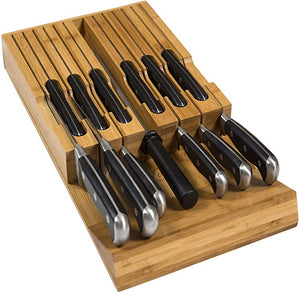
- Store properly: Use a blade guard, sheath, or knife block to protect the edge from nicks.
- Cut on soft surfaces: Choose wooden or plastic cutting boards instead of glass or stone.
By following these steps, you can maintain a consistently sharp edge and prolong the life of your filleting knife.
Common Mistakes to Avoid
Even experienced cooks can make errors when caring for their filleting knives. Here are some pitfalls to watch out for:
- Using the wrong angle: Sharpening at too steep or too shallow an angle can damage the blade or fail to produce a sharp edge.
- Applying too much pressure: Excessive force can bend or break the thin blade.
- Neglecting regular maintenance: Waiting too long between sharpenings makes it harder to restore the edge.
- Improper storage: Tossing knives in a drawer leads to chips and dullness.
For those interested in other specialty knives, you can also explore knife sharpening for pastry knives and knife sharpening for cheese knives for more targeted advice.
Comparing Sharpening Techniques for Different Knife Types
While the focus here is on filleting knives, it's helpful to understand how sharpening needs differ across various blades. For example, sharpening fishing knives often involves similar techniques but may require adjustments for blade thickness or intended use. Peeling knives and boning knives also have unique requirements, so always tailor your approach to the specific knife.
Frequently Asked Questions
How often should I sharpen my filleting knife?
The frequency depends on usage, but for most home cooks, sharpening every few months is sufficient. If you use your knife daily or for heavy-duty tasks, consider sharpening more often and honing after each use.
What is the best angle for sharpening a filleting knife?
Most filleting knives perform best when sharpened at an angle between 12 and 17 degrees. This maintains the fine, sharp edge needed for delicate cuts.
Can I use an electric sharpener for my filleting knife?
Yes, but choose an electric sharpener with settings suitable for thin, flexible blades. Avoid aggressive machines that may remove too much metal or damage the blade's flexibility.
What should I do if my knife is very dull?
If your filleting knife is extremely dull, start with a coarser grit whetstone or the coarse setting on your sharpener, then progress to finer grits for a polished edge. Patience and proper technique are key to restoring a blunt blade.
How do I know when my filleting knife needs sharpening?
Signs include difficulty slicing through fish or meat, tearing rather than cutting, or the blade slipping off the surface. Testing the edge on paper or a tomato is a quick way to assess sharpness.
This article contains affiliate links. We may earn a commission at no extra cost to you.