


 (858) 333-1035 Sales@knives.shop
 Maintaining a sharp boning knife is essential for anyone who regularly prepares meat, poultry, or fish. A properly honed blade ensures clean, precise cuts, reduces waste, and improves safety in the kitchen. This guide covers the essentials of knife sharpening for boning knives, including recommended tools, step-by-step techniques, and expert tips for achieving a razor-sharp edge every time.
Boning knives are uniquely designed with a narrow, flexible blade that excels at maneuvering around bones and joints. Because of their specialized use, these knives require a different approach to sharpening compared to broader kitchen blades. Whether you’re a home cook or a professional, understanding how to care for your boning knife will extend its lifespan and enhance your culinary results.
For those interested in learning about sharpening other specialty blades, you may also find value in our resource on knife sharpening for peeling knives.
Understanding the Unique Needs of Boning Knives
Boning knives differ from chef’s knives and utility blades in both shape and function. Their thin, pointed profile is designed for delicate work, such as removing bones from meat or filleting fish. This means the edge must be exceptionally sharp and well-maintained to avoid tearing or shredding flesh.
Because boning knives often encounter tough cartilage and bone, their edges can dull more quickly than other kitchen knives. Regular honing and periodic sharpening are crucial for keeping the blade in optimal condition. Using the right technique and tools will help preserve the knife’s flexibility and sharpness.
Essential Tools for Sharpening Boning Knives
Before starting the sharpening process, gather the necessary equipment. The most common tools for sharpening boning knives include:
- Whetstones: Offer precise control and are suitable for both coarse and fine sharpening.
- Manual Sharpeners: Good for quick touch-ups and maintaining the edge between major sharpening sessions.
- Electric Sharpeners: Convenient and efficient, especially for those who sharpen knives frequently.
- Honing Rods: Used to realign the edge and maintain sharpness between sharpening.
Each tool has its advantages. Whetstones provide the most control, while electric sharpeners are ideal for those seeking speed and consistency. For more information on sharpening techniques and tool selection, see this comprehensive guide on kitchen knife sharpening.

Step-by-Step Process: Sharpening a Boning Knife
Sharpening a boning knife involves several key steps. Following a consistent process helps maintain the blade’s integrity and ensures a sharp, safe edge.
- Clean the Knife: Before sharpening, wash and dry the blade thoroughly to remove any food residue or oils.
- Select the Right Angle: Boning knives typically require a sharpening angle between 15 and 20 degrees. Maintaining this angle is crucial for achieving a fine edge without compromising flexibility.
-
Sharpen with a Whetstone or Sharpener:
- If using a whetstone, start with a coarse grit to restore the edge, then finish with a fine grit for polishing.
- For manual or electric sharpeners, follow the manufacturer’s instructions, ensuring the blade is drawn smoothly through the slots at the correct angle.
- Hone the Edge: After sharpening, use a honing rod to realign the edge. This step helps maintain sharpness and prolongs the time between sharpening sessions.
- Test the Sharpness: Carefully check the blade by slicing through a piece of paper or making a gentle cut into a tomato. A properly sharpened boning knife should glide through with minimal resistance.
Tips for Maintaining a Razor-Sharp Boning Knife
Consistent maintenance is key to keeping your boning knife in top condition. Here are some practical tips:
- Hone Regularly: Use a honing rod after each use to keep the edge aligned.
- Sharpen as Needed: Depending on usage, sharpen your knife every few weeks or when you notice it becoming less effective.
- Avoid Hard Surfaces: Do not cut on glass, stone, or metal surfaces, as these can dull the blade quickly.
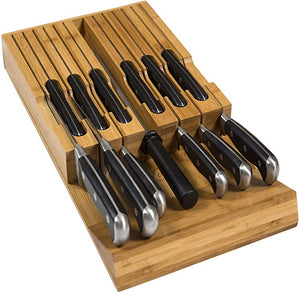
- Store Properly: Use a knife block, magnetic strip, or blade guard to protect the edge when not in use.
- Clean by Hand: Always hand wash and dry your boning knife immediately after use to prevent corrosion and maintain sharpness.

Common Mistakes to Avoid When Honing Boning Knives
Even experienced cooks can make errors when sharpening specialty blades. Avoid these common pitfalls to ensure your boning knife stays sharp and safe:
- Using the Wrong Angle: Sharpening at too steep or too shallow an angle can damage the edge or reduce its effectiveness.
- Applying Excessive Pressure: Let the sharpening tool do the work—pressing too hard can remove too much metal and shorten the knife’s lifespan.
- Neglecting to Hone: Skipping the honing step can lead to a dull edge, even after sharpening.
- Improper Cleaning: Failing to clean the blade before and after sharpening can introduce grit and debris, causing scratches or corrosion.
If you’re interested in learning about other specialty knife care, check out our guide on knife sharpening for cheese knives for more insights.
Comparing Sharpening Techniques for Different Kitchen Knives
While the focus here is on knife sharpening for boning knives, it’s helpful to understand how this process compares to other types of kitchen blades. For example, chef’s knives often use a slightly wider angle and may require less frequent sharpening due to their broader, sturdier edge. In contrast, pastry knives and meat knives each have their own care requirements. For a deeper dive, explore our article on knife sharpening for meat knives to see how different blade shapes influence sharpening methods.
Adapting your technique to each knife’s design ensures the best results and prolongs the life of your entire knife collection.
FAQ: Sharpening and Caring for Boning Knives
How often should I sharpen my boning knife?
The frequency depends on how often you use the knife and the types of foods you prepare. For most home cooks, sharpening every 3–4 weeks is sufficient, with regular honing after each use to maintain the edge.
What is the ideal sharpening angle for a boning knife?
Boning knives perform best when sharpened at an angle between 15 and 20 degrees. This range maintains a fine, sharp edge while preserving the blade’s flexibility for intricate work.
Can I use an electric sharpener on a flexible boning knife?
Yes, many modern electric sharpeners are designed to accommodate flexible blades. However, it’s important to use a model that supports thin, narrow knives and to follow the manufacturer’s guidelines to avoid damaging the blade.
Is it necessary to use a honing rod if I already sharpen my knife?
Absolutely. Honing rods help realign the microscopic edge of the blade, keeping it sharp between sharpening sessions. Regular honing extends the time between full sharpenings and maintains optimal performance.
Conclusion
Proper knife sharpening for boning knives is essential for anyone who values precision, efficiency, and safety in the kitchen. By using the right tools, maintaining the correct angle, and following a consistent process, you’ll ensure your boning knife remains a reliable tool for years to come. Don’t forget to explore related guides, such as knife sharpening for pastry knives, to expand your knowledge of specialty knife care.
This article contains affiliate links. We may earn a commission at no extra cost to you.