


 (858) 333-1035 Sales@knives.shop
 Maintaining a sharp edge on your carving knife is essential for clean, precise cuts, whether you're preparing a roast or working on intricate food presentations. Over time, even the best blades will dull with use, making knife sharpening for carving knives a necessary skill for anyone who values performance and safety in the kitchen. This article provides a thorough, practical overview of sharpening techniques, the best tools for the job, and tips to keep your carving knife in optimal condition.
Before diving into the sharpening process, it's helpful to understand how carving knives differ from other kitchen blades. Their long, thin, and flexible design is tailored for slicing cooked meats and achieving thin, even cuts. Because of this, they require a particularly fine edge and careful maintenance. For those interested in sharpening other specialty knives, you may also find value in learning about knife sharpening for peeling knives, which shares some similar techniques but with adjustments for smaller blades.
Why Sharpness Matters for Carving Knives
A dull carving knife can tear meat, create uneven slices, and increase the risk of slipping and injury. Keeping your blade sharp ensures:
- Cleaner, more attractive slices for presentation
- Less effort required, reducing hand fatigue
- Improved safety by maintaining control over the blade
- Preservation of the knife’s edge, prolonging its lifespan
Regular sharpening and proper technique are the keys to achieving these benefits. Let’s explore the best methods and tools for the task.
Essential Tools for Sharpening Carving Knives
There are several effective tools for sharpening carving knives, each with its own advantages. The right choice depends on your experience level, budget, and how much time you want to invest.
- Whetstones (Sharpening Stones): Offer the most control and can produce a razor-sharp edge. They require some practice to master.
- Manual Pull-Through Sharpeners: Convenient and easy to use, though they may remove more metal than necessary if used too often.
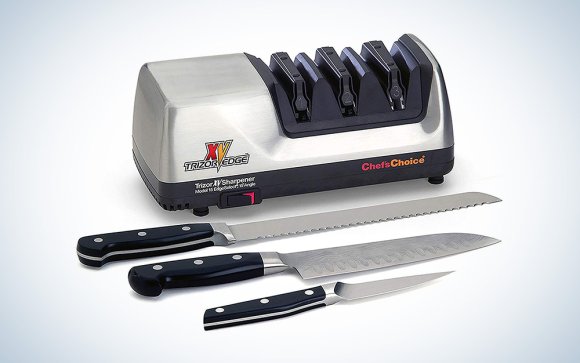
- Electric Sharpeners: Fast and effective, especially for those who sharpen knives frequently. Look for models with fine grit settings suitable for delicate blades.
- Honing Rods (Steels): Used for realigning the edge between sharpening sessions, not for actual sharpening.
For a step-by-step guide on using these tools, you can refer to this comprehensive resource on sharpening kitchen knives.
Step-by-Step Guide to Knife Sharpening for Carving Knives
Sharpening a carving knife is a straightforward process when you follow these steps:
- Clean the Knife: Wash and dry your blade to remove any debris or oils that could interfere with sharpening.
- Choose the Right Angle: Carving knives typically require a sharpening angle between 15–20 degrees. Maintaining a consistent angle is crucial for a sharp, durable edge.
- Prepare the Sharpening Tool: If using a whetstone, soak it according to the manufacturer’s instructions. For electric or manual sharpeners, ensure they’re clean and ready.
-
Sharpen the Blade:
- With a whetstone, hold the knife at the correct angle and draw the blade across the stone from heel to tip, alternating sides.
- For pull-through or electric sharpeners, follow the device’s instructions, usually pulling the blade through the slots with gentle, even pressure.
- Hone the Edge: After sharpening, use a honing rod to align the edge and remove any burrs.
- Test the Sharpness: Carefully slice through a piece of paper or a tomato. A sharp carving knife should glide through with minimal resistance.
- Clean and Store: Wipe the blade clean and store it safely to maintain its edge.
Common Mistakes to Avoid When Sharpening Carving Knives
Even experienced cooks can make errors that reduce the effectiveness of their sharpening efforts. Here are some pitfalls to watch for:
- Using the Wrong Angle: An inconsistent or incorrect angle can lead to a dull or uneven edge.
- Applying Too Much Pressure: Excessive force can damage both the blade and the sharpening tool.
- Neglecting to Hone: Skipping the honing step can leave burrs on the edge, making the knife feel less sharp.
- Over-Sharpening: Frequent, unnecessary sharpening removes more metal than needed, shortening the knife’s life.
- Improper Cleaning: Failing to clean the knife before and after sharpening can introduce grit and cause corrosion.

How Often Should You Sharpen Your Carving Knife?
The frequency of sharpening depends on how often you use your carving knife and what you cut with it. For most home cooks, sharpening every few months is sufficient, with regular honing between uses. If you notice the blade struggling to slice cleanly or tearing meat, it’s time to sharpen.
Professionals or those who use their knives daily may need to sharpen more frequently. Always hone the blade after each use to maintain the edge for as long as possible.
Maintaining Your Blade After Sharpening
Proper care extends the life of your carving knife and keeps it sharp longer. Here are some maintenance tips:
- Hand wash and dry immediately after use to prevent corrosion.
- Store in a knife block, sheath, or on a magnetic strip to protect the edge.
- Use a wooden or plastic cutting board to avoid dulling the blade on hard surfaces.
- Hone regularly and avoid using the knife on bones or frozen foods.
If you’re interested in techniques for other types of blades, such as knife sharpening for pastry knives, you’ll find that many of these maintenance principles apply across the board.
Related Sharpening Techniques for Specialty Knives
While the focus here is on carving knives, many of the same principles apply to other specialty blades. For example, knife sharpening for cheese knives and knife sharpening for meat knives require attention to angle and edge type, but may differ in grit selection or frequency of sharpening. Exploring these related guides can help you build a comprehensive approach to knife care.
Frequently Asked Questions
What is the best angle for sharpening a carving knife?
Most carving knives perform best when sharpened at an angle between 15 and 20 degrees. This range provides a balance between sharpness and edge durability. Maintaining a consistent angle is more important than the exact number, so use an angle guide if you’re unsure.
Can I use an electric sharpener on a carving knife?
Yes, electric sharpeners are effective for carving knives, especially if they have fine grit settings. Make sure to follow the manufacturer’s instructions and avoid over-sharpening, which can remove too much metal from the blade.
How do I know when my carving knife needs sharpening?
If your knife struggles to slice through meat cleanly, tears food, or feels like it’s slipping, it’s time to sharpen. You can also test sharpness by slicing through a sheet of paper—if it doesn’t cut smoothly, the edge is dull.