


 (858) 333-1035 Sales@knives.shop
 Proper care of your kitchen or outdoor blades is essential for safety and performance. Understanding knife edge maintenance techniques can help you extend the life of your knives, keep them sharp, and ensure clean, precise cuts every time. Whether you’re a home cook, a professional chef, or an outdoor enthusiast, knowing how to maintain your knife’s edge is a valuable skill that pays off in both convenience and safety.
In this guide, we’ll cover the fundamentals of blade upkeep, including sharpening, honing, cleaning, and storage. We’ll also highlight common mistakes, offer practical tips, and point you to additional resources for mastering these essential skills. For those interested in advanced sharpening, you may want to explore how to sharpen knives with a diamond stone for a deeper dive into specialized methods.
Why Regular Blade Care Matters
Maintaining your knife’s edge is more than just keeping it sharp. Regular upkeep ensures:
- Safety: A dull blade is more likely to slip, increasing the risk of injury.
- Efficiency: Sharp knives cut with less effort, making food prep faster and more enjoyable.
- Longevity: Proper maintenance reduces wear and tear, extending the life of your blade.
- Food Quality: Clean cuts prevent bruising and tearing, preserving the texture and appearance of ingredients.
Sharpening: Restoring a Dull Edge
Sharpening is the process of removing metal from the blade to create a new, keen edge. There are several methods, each with its own advantages:
- Manual Sharpeners: Simple to use and suitable for most home cooks.
- Whetstones: Offer precise control and are favored by professionals.
- Electric Sharpeners: Fast and convenient for those who want quick results.
For a step-by-step guide on using sharpening stones, consider reading about how to sharpen dull knives effectively.
When sharpening, maintain a consistent angle (usually 15–20 degrees for kitchen knives) and use gentle, even strokes. Avoid over-sharpening, as this can reduce the lifespan of your blade. For more on this, see how to avoid over-sharpening.

Honing: Keeping the Edge Aligned
While sharpening removes material to create a new edge, honing simply realigns the existing edge. Over time, the fine tip of a blade bends slightly with use. Honing straightens these microscopic bends, restoring cutting performance without removing metal.
Use a honing steel or rod, holding the knife at the correct angle and drawing the blade along the steel from heel to tip. Regular honing—ideally before each use—keeps your knife performing at its best and reduces the frequency of sharpening needed.
Cleaning and Storage for Edge Preservation
Proper cleaning and storage are vital parts of knife edge maintenance techniques. Always hand-wash your knives with mild soap and dry them immediately to prevent rust and corrosion. Avoid dishwashers, as harsh detergents and high heat can damage both the blade and handle.
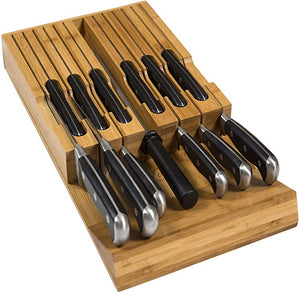
Store knives in a way that protects the edge. Options include:
- Magnetic strips (mounted on the wall)
- Knife blocks with horizontal slots
- Blade guards or sheaths for drawer storage
Never toss knives loosely into a drawer, as this can dull the edge and pose a safety hazard.

Common Mistakes in Blade Upkeep
Even with the best intentions, it’s easy to make errors that can damage your knife’s edge. Some frequent pitfalls include:
- Using glass, stone, or metal cutting boards (always use wood or plastic)
- Sharpening at the wrong angle or with excessive pressure
- Neglecting regular honing
- Storing knives improperly
- Allowing moisture to remain on the blade
To avoid these issues, check out this helpful resource on knife sharpening mistakes to avoid.
Advanced Tips for Long-Lasting Sharpness
For those looking to take their skills further, consider these advanced suggestions:
- Learn to flatten your whetstone regularly for even sharpening. Guidance on this can be found in how to flatten a whetstone.
- Use a progression of grits when sharpening, starting with coarse and finishing with fine stones.
- Test sharpness by slicing through paper or gently running the blade over a tomato skin.
- Maintain a log of sharpening sessions to track frequency and performance.
For an in-depth tutorial, visit this comprehensive guide to sharpening knives from Serious Eats.
FAQ: Knife Edge Maintenance
How often should I sharpen my kitchen knives?
The frequency depends on how often you use your knives and the type of cutting you do. For most home cooks, sharpening every 3–6 months is sufficient. Regular honing between sharpening sessions will help maintain the edge for longer.
Can I use an electric sharpener for all types of knives?
Electric sharpeners are convenient for many kitchen knives, but they may not be suitable for specialty blades such as Japanese knives, serrated knives, or those with very hard steel. Always check the manufacturer’s recommendations before using an electric sharpener on a particular blade.
What’s the difference between honing and sharpening?
Sharpening removes material to create a new edge, while honing realigns the existing edge without removing metal. Both are important parts of knife edge maintenance techniques and should be used together for best results.
Is it safe to store knives on a magnetic strip?
Yes, magnetic strips are a safe and effective way to store knives, as long as you place and remove the blades carefully to avoid chipping the edge. Make sure the strip is strong enough to hold your knives securely.
What is the best surface for cutting to preserve my knife’s edge?
Wood and plastic cutting boards are ideal, as they are gentle on the blade. Avoid glass, stone, or metal surfaces, which can quickly dull or damage your knife’s edge.