


 (858) 333-1035 Sales@knives.shop
 Maintaining the correct angle while sharpening a knife is essential for achieving a sharp, durable edge. Many home cooks and professionals alike struggle with keeping a consistent angle, which can lead to uneven edges and reduced performance. Knife sharpening angle correction is the process of identifying and adjusting the sharpening angle to restore optimal cutting ability and prolong the life of your blades.
Understanding how to correct and maintain the proper angle is crucial for anyone who wants to get the most out of their knives. Whether you use manual stones, guided systems, or electric sharpeners, knowing how to assess and fix your sharpening angle can make a significant difference in results. For those interested in how often to sharpen, the knife sharpening sharpening frequency guide offers additional insights into maintaining your blades.
Understanding the Importance of Sharpening Angle
The angle at which you sharpen your knife determines the balance between sharpness and durability. A lower angle (such as 15 degrees per side) produces a finer, sharper edge, ideal for slicing and precision work. Higher angles (20–25 degrees per side) create a more robust edge, suitable for heavy-duty tasks and tougher materials.
Incorrect angles can cause several issues:
- Reduced sharpness due to a rounded or inconsistent edge.
- Premature dulling if the angle is too acute for the knife’s intended use.
- Edge chipping or rolling if the angle is not matched to the blade’s steel and purpose.
Correcting the sharpening angle ensures your knife performs as intended and stays sharp longer.
Common Signs Your Sharpening Angle Needs Adjustment
It’s not always obvious when your sharpening technique needs improvement. Here are some telltale signs that your angle may be off:
- The edge feels sharp in some places but dull in others.
- Visible unevenness or waviness along the edge.
- The blade struggles to cut through food cleanly.
- Frequent need for resharpening, even with light use.
Paying attention to these indicators can help you identify when it’s time for knife sharpening angle correction.

Techniques for Achieving Proper Angle Correction
There are several methods to help you maintain and correct your sharpening angle. Here are some practical approaches:
Manual Sharpening with Whetstones
When using whetstones, angle consistency is achieved through practice and attention. A simple trick is to use a matchbook or coin as a guide under the spine of the knife to set the correct angle. For most kitchen knives, 15–20 degrees per side is recommended. Move the blade across the stone in smooth, even strokes, maintaining the same angle throughout.
For more details on finishing your edge after sharpening, see the knife sharpening edge finishing article.
Guided Sharpening Systems
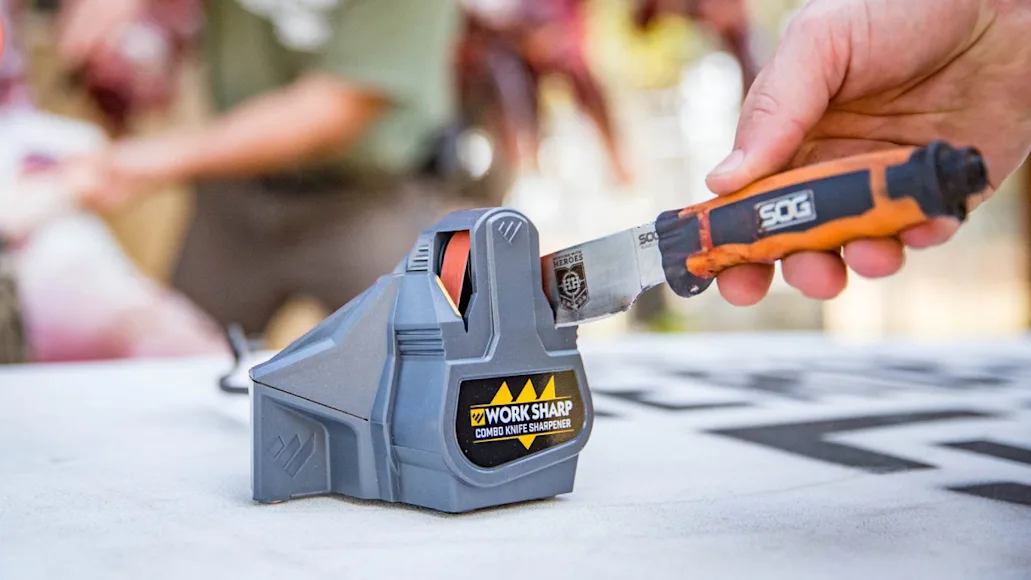
Guided systems are designed to help users maintain a consistent angle. These devices hold the blade at a fixed angle, reducing guesswork and improving results. They are ideal for beginners or anyone who wants to ensure accuracy. Learn more about these tools in the knife sharpening using guided systems resource.
Electric and Pull-Through Sharpeners
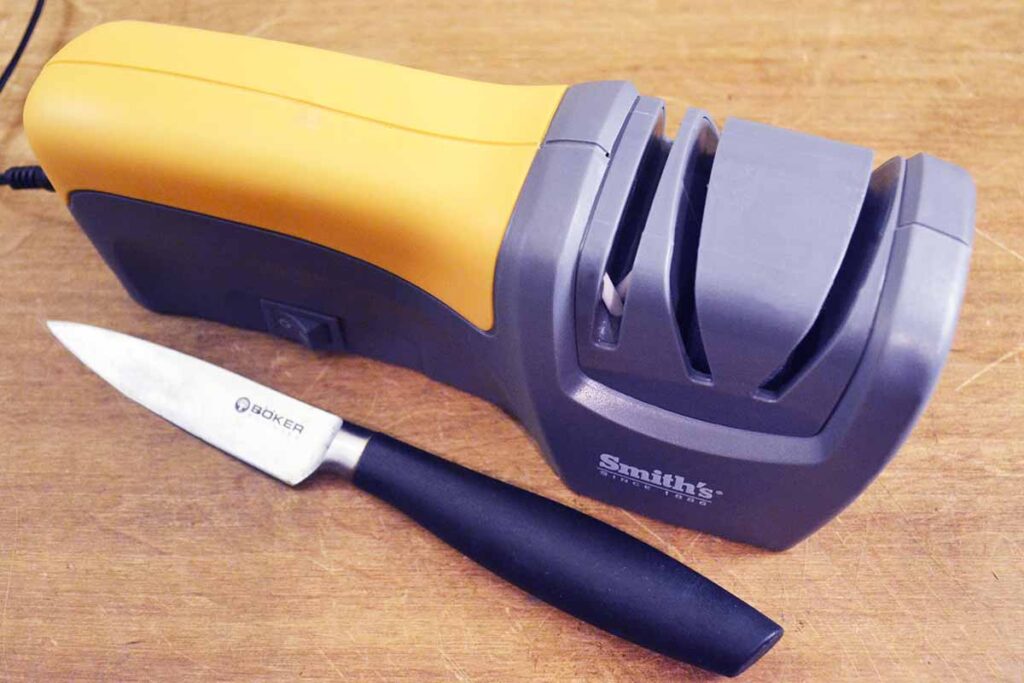
Electric and manual pull-through sharpeners often have preset angles, making them convenient for quick touch-ups. However, it’s important to choose a model that matches your knife’s intended angle. Using the wrong device can lead to improper angle correction and reduced edge life. For a comparison of manual options, check out the knife sharpening with manual pull-through guide.
Tips for Consistent Angle Maintenance
- Mark the edge: Use a marker to color the bevel before sharpening. This helps you see if you’re removing metal evenly and at the correct angle.
- Use angle guides: Small plastic or metal guides can be clipped onto the blade to help maintain a steady angle on stones.
- Practice muscle memory: With repeated sharpening, your hands will learn the correct motion and angle.
- Check your progress: After a few strokes, inspect the edge under good light to ensure evenness.
For finishing touches, using a leather strop can refine the edge and remove any remaining burrs. See the knife sharpening using leather strops article for more on this technique.
Choosing the Right Angle for Your Knife
Different knives and tasks require different edge angles. Here’s a quick reference table:
| Knife Type | Recommended Angle (per side) | Purpose |
|---|---|---|
| Japanese Chef’s Knife | 12–15° | Precision slicing, vegetables, fish |
| Western Chef’s Knife | 15–20° | General kitchen use |
| Outdoor/Utility Knife | 20–25° | Heavy-duty, wood, rope |
| Cleaver | 25–30° | Bone, hard materials |
Always match the sharpening angle to your knife’s intended use and steel hardness for best results.
Common Mistakes in Angle Correction
- Switching angles mid-sharpening, leading to a convex or uneven edge.
- Using a sharpener with a preset angle that doesn’t match your knife.
- Applying too much pressure, which can distort the edge and angle.
- Neglecting to finish with finer grits or a strop, leaving the edge rough.
Being aware of these pitfalls can help you avoid them and achieve a sharper, longer-lasting edge.
Expert Resources and Further Reading
If you want to dive deeper into sharpening techniques and angle correction, this comprehensive guide to sharpening knives covers a range of methods and tips for both beginners and experienced sharpeners.
Frequently Asked Questions
How do I know if my sharpening angle is correct?
Check the bevel under good lighting after a few strokes. If you see even metal removal along the entire edge and the knife cuts smoothly, your angle is likely correct. Using a marker on the edge can also help you visually confirm consistency.
Can I use the same angle for all my knives?
It’s best to match the angle to the knife’s design and purpose. While 15–20 degrees per side works for most kitchen knives, heavier-duty knives may require a steeper angle for durability. Refer to manufacturer recommendations when possible.
What tools help with angle correction?
Guided sharpening systems, angle guides, and electric sharpeners with preset angles can all assist in maintaining a consistent angle. Manual practice and visual checks are also effective for those using whetstones or rods.
This article contains affiliate links. We may earn a commission at no extra cost to you.