


 (858) 333-1035 Sales@knives.shop
 Keeping your kitchen knives sharp is essential for both safety and performance. Dull blades can slip, making food preparation more dangerous and less efficient. Learning how to use a whetstone is a practical skill that extends the life of your knives and ensures precise, clean cuts every time. This guide will walk you through the basics of sharpening with a whetstone, from choosing the right stone to mastering the correct technique.
Whether you’re a home cook or just starting to explore knife maintenance, understanding the fundamentals of manual sharpening can save you money and help you appreciate the craftsmanship of your tools. Before diving into the step-by-step process, it’s helpful to know that there are many resources available, such as comprehensive sharpening tutorials that can provide additional visual guidance as you learn.
Understanding Whetstones and Their Types
Before you start sharpening, it’s important to know what a whetstone is and how it works. A whetstone, sometimes called a sharpening stone, is a rectangular block made from natural or synthetic materials. Its abrasive surface grinds and hones the metal edge of your knife, restoring sharpness and removing nicks.
Whetstones come in various grits, which refer to the coarseness of the stone:
- Coarse grit (200–600): Used for repairing damaged or very dull blades.
- Medium grit (800–2000): Suitable for regular sharpening and maintaining a working edge.
- Fine grit (3000–8000): Ideal for polishing and refining the edge for razor-sharp results.
Many sharpening stones are double-sided, offering two grit levels in one. For most beginners, a combination stone with medium and fine grits is a practical choice.
Preparing Your Whetstone for Sharpening
Proper preparation is key to effective sharpening. Most whetstones need to be soaked in water before use, though some are designed for oil. Always check the manufacturer’s instructions for your specific stone.
- Soak the stone: Submerge the whetstone in water for 10–15 minutes, or until air bubbles stop rising. This ensures the surface stays lubricated and prevents metal particles from clogging the pores.
- Set up your workstation: Place the stone on a non-slip surface or a damp towel to keep it stable during sharpening. Have a small bowl of water nearby to keep the stone wet as you work.

How to Use a Whetstone: Step-by-Step Process
Sharpening a knife with a whetstone involves maintaining a consistent angle and using smooth, controlled strokes. Here’s a straightforward method for beginners:
- Determine the sharpening angle: Most kitchen knives are sharpened at a 15–20 degree angle. Hold the blade so that the edge meets the stone at this angle. If you’re unsure, a simple trick is to stack two coins under the spine of the knife for guidance.
- Start with the coarse or medium side: If your knife is very dull, begin with the coarse grit. For routine maintenance, use the medium side. Place the heel of the blade at one end of the stone.
- Draw the knife across the stone: Using light, even pressure, slide the blade across the stone in a sweeping motion, moving from heel to tip. Repeat this motion 10–15 times on one side, then switch to the other side.
- Alternate sides: To maintain an even edge, alternate sides every few strokes. Keep the stone wet throughout the process.
- Refine with the fine grit: Flip the stone to the fine side and repeat the process. This step polishes the edge and removes any burrs left from the coarser grit.
- Check your progress: Carefully feel for a slight burr along the edge, or test the sharpness by slicing through a piece of paper.
Tips for Maintaining a Consistent Edge
Consistency is the key to achieving a sharp, durable edge. Here are some practical tips to help you get the most out of your sharpening routine:
- Keep the angle steady: Practice maintaining the same angle throughout each stroke. Some beginners find angle guides helpful.
- Use the entire stone: Move the blade across the full length of the whetstone to ensure even wear and sharpening.
- Don’t rush: Take your time, especially when learning. Rushing can lead to uneven edges or accidental slips.
- Clean the stone regularly: After sharpening, rinse the stone and let it dry completely before storing. This prevents buildup and extends the life of your whetstone.
Common Mistakes to Avoid When Sharpening Knives
Even with the best intentions, beginners often make a few mistakes when learning to sharpen. Being aware of these can help you achieve better results:
- Using too much pressure: Heavy pressure can damage both the blade and the stone. Let the abrasive surface do the work.
- Inconsistent angles: Changing the angle mid-stroke leads to uneven sharpening and a less effective edge.
- Neglecting to keep the stone wet: Dry sharpening can clog the stone and scratch the blade.
- Skipping grits: Moving from coarse to fine without intermediate steps can leave a rough edge.
Finishing Touches and Knife Care
After sharpening, it’s important to clean and care for both your knife and whetstone:
- Rinse the blade: Wash your knife thoroughly to remove any metal filings or residue.
- Dry completely: Prevent rust by drying the blade and stone before storage.
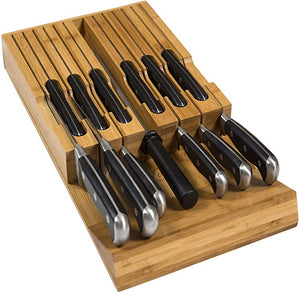
- Store safely: Use a knife block, sheath, or magnetic strip to protect the edge and prevent accidents.
- Regular maintenance: Hone your knife with a honing rod between sharpening sessions to keep the edge aligned.
With practice, using a whetstone becomes a straightforward part of kitchen maintenance. For those looking for a faster alternative, consider exploring electric sharpeners, but manual sharpening offers greater control and satisfaction.
Frequently Asked Questions
How often should I sharpen my knives with a whetstone?
The frequency depends on how often you use your knives. For home cooks, sharpening every few months is usually sufficient. If you notice your knife struggling to cut cleanly, it’s time to sharpen. Regular honing can extend the period between full sharpening sessions.
Can I use the same whetstone for all types of knives?
Most kitchen knives can be sharpened on the same whetstone, especially if it has both medium and fine grits. However, specialty blades (like serrated or Japanese knives) may require different techniques or stones. Always check the manufacturer’s recommendations for your specific knife.
What’s the difference between honing and sharpening?
Sharpening removes metal to create a new edge, while honing realigns the existing edge without removing material. Honing rods are used frequently to maintain sharpness, but sharpening with a whetstone is necessary when the blade becomes dull.