


 (858) 333-1035 Sales@knives.shop
 Preparing vegetables efficiently and safely depends on having a properly honed blade. A dull knife can crush or tear produce, making prep work more difficult and even dangerous. Learning how to sharpen knives for chopping vegetables is a fundamental kitchen skill that ensures cleaner cuts, better texture, and a more enjoyable cooking experience. This article covers the best methods, tools, and tips for keeping your kitchen knives razor-sharp for vegetable prep.
Before diving into the step-by-step process, it’s important to understand why sharpness matters. A well-maintained edge not only improves precision but also reduces the risk of slipping and accidental injury. If you’re curious about how often you should maintain your blades, the knife sharpening frequency guide offers detailed advice tailored to different knife types and usage patterns.
Why Sharp Knives Are Essential for Vegetable Prep
Using a sharp knife when slicing, dicing, or mincing vegetables is more than a matter of convenience. A keen edge allows for:
- Cleaner cuts that preserve the structure and appearance of produce
- Reduced bruising and oxidation, keeping vegetables fresher for longer
- Greater safety by minimizing the force needed and lowering the chance of slips
- Improved efficiency and less fatigue during extended prep sessions
For those who use their knives daily, routine maintenance is crucial. If you’re interested in specialized techniques, you might also explore how to sharpen chef’s knives at home or the nuances of how to sharpen knives with a ceramic stone for different blade types.
Choosing the Right Tools for Sharpening
There are several effective tools for restoring a keen edge to your kitchen knives. The most common options include:
- Whetstones: Offer precise control and can produce a razor-sharp edge. They require a bit of practice but are favored by many professionals.
- Manual pull-through sharpeners: User-friendly and quick, these are suitable for most home cooks.
- Electric sharpeners: Provide consistent results with minimal effort, making them ideal for those who sharpen frequently.
- Honing rods: Best for regular maintenance between full sharpening sessions, as they realign the edge rather than remove metal.
When selecting a tool, consider your comfort level, the types of knives you own, and how often you cook. For more detailed guidance, check out this comprehensive guide to knife sharpening techniques.

Step-by-Step: How to Sharpen Knives for Chopping Vegetables
Restoring a sharp edge is straightforward with the right approach. Here’s a practical method using a whetstone, which is suitable for most kitchen knives:
- Soak the whetstone in water for 10–15 minutes if using a water stone. Oil stones require a few drops of honing oil instead.
- Set the angle: Hold the knife at a 15–20 degree angle to the stone. This angle is ideal for most vegetable prep knives, balancing sharpness and durability.
- Draw the blade across the stone, starting at the heel and moving toward the tip. Use gentle, even pressure, and repeat 8–10 times on one side before switching to the other.
- Alternate sides in sets to maintain an even edge. For best results, finish with a finer grit stone to polish the blade.
- Rinse and dry the knife thoroughly after sharpening to remove any metal filings or residue.
If you prefer a faster method, manual or electric sharpeners can be used. Simply follow the manufacturer’s instructions, ensuring you maintain the correct angle and apply even pressure. For more on specific techniques, see our guide on how to sharpen chef’s knives at home.
Maintaining Your Edge Between Sharpenings
Keeping your knife sharp doesn’t end with the sharpening process. Regular maintenance extends the life of your edge and ensures optimal performance. Here are some best practices:
- Use a honing rod before each use to realign the edge and keep it true.
- Hand wash your knives and dry them immediately to prevent corrosion and dulling.
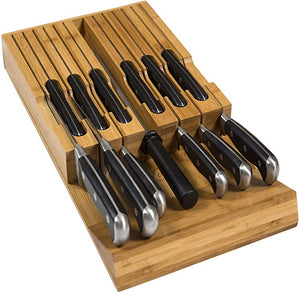
- Store knives properly in a block, on a magnetic strip, or in blade guards to avoid contact with other utensils.
- Cut on wooden or plastic boards instead of glass or stone, which can quickly dull the blade.
For those working with specialty knives, such as fillet or utility blades, you may want to read about how to sharpen fillet knives or how to sharpen utility knives for additional tips.

Common Mistakes to Avoid When Sharpening
Even with the best intentions, it’s easy to make errors that can damage your knife or reduce its effectiveness. Here are some pitfalls to watch out for:
- Using the wrong angle: Too steep or too shallow an angle can either weaken the edge or fail to sharpen it properly.
- Applying uneven pressure: This can create an inconsistent edge, making the knife less effective for vegetable prep.
- Neglecting to clean the blade after sharpening, which can leave behind metal shavings.
- Over-sharpening: Removing too much metal shortens the lifespan of your knife.
By following a consistent routine and paying attention to technique, you’ll keep your blades in top condition for all your chopping needs.
FAQ
How often should I sharpen my knives for vegetable prep?
For home cooks, sharpening every 2–3 months is usually sufficient, but frequent users may need to do so more often. Regular honing between sharpenings helps maintain the edge.
Is it better to use a whetstone or an electric sharpener?
Both methods can produce excellent results. Whetstones offer more control and a finer edge, while electric sharpeners are faster and easier for beginners. Choose the tool that best fits your comfort level and needs.
Can I use the same sharpening method for all kitchen knives?
Most techniques work for standard chef’s and vegetable knives, but specialty blades like fillet or serrated knives may require different approaches. Always check the manufacturer’s recommendations for your specific knife type.
What are signs that my knife needs sharpening?
If your knife struggles to slice through tomatoes, crushes herbs instead of cutting cleanly, or slips off the surface of harder vegetables, it’s time to restore the edge.
Mastering the art of keeping your kitchen knives sharp is a valuable skill that pays off every time you prepare a meal. With the right tools, proper technique, and regular maintenance, you’ll enjoy safer, more efficient, and more satisfying vegetable prep for years to come.