


 (858) 333-1035 Sales@knives.shop
 A sharp knife is essential for safe and effective food preparation, woodworking, and many other tasks. Over time, even the best blades lose their edge, making maintenance a necessary skill for anyone who relies on their tools. Among the various sharpening methods, using a ceramic stone stands out for its ability to refine and maintain a razor-sharp edge without removing excessive material from the blade.
Learning how to sharpen knives with a ceramic stone can extend the life of your blades and improve your results in the kitchen or workshop. This guide covers the benefits of ceramic stones, step-by-step sharpening instructions, and practical tips for achieving a professional-quality edge at home. For those interested in exploring other sharpening techniques, you might also find value in reading about knife strop techniques to further refine your blades after sharpening.
Why Choose a Ceramic Sharpening Stone?
Ceramic stones are favored by both professionals and enthusiasts for several reasons. Unlike traditional whetstones or diamond stones, ceramic sharpeners are extremely hard and wear-resistant, making them ideal for fine honing and maintenance. They are especially effective for finishing and polishing the edge after initial sharpening with coarser stones.
- Durability: Ceramic stones last a long time and maintain their flatness with minimal care.
- Fine Grit: Their fine abrasive surface is perfect for achieving a razor-sharp edge.
- Minimal Maintenance: They require less frequent flattening and are easy to clean.
- Versatility: Suitable for a wide range of knives, from kitchen blades to outdoor tools.
For those who want to experiment with other sharpening materials, consider reading about how to sharpen knives with a diamond stone for comparison.
Essential Tools and Preparation
Before you begin, gather the following items:
- A clean ceramic sharpening stone
- The knife you wish to sharpen
- A damp cloth or towel for wiping the blade
- Optional: A non-slip mat or towel to stabilize the stone
Unlike waterstones, ceramic stones are typically used dry or with a light spritz of water. Always check the manufacturer's recommendations for your specific stone.
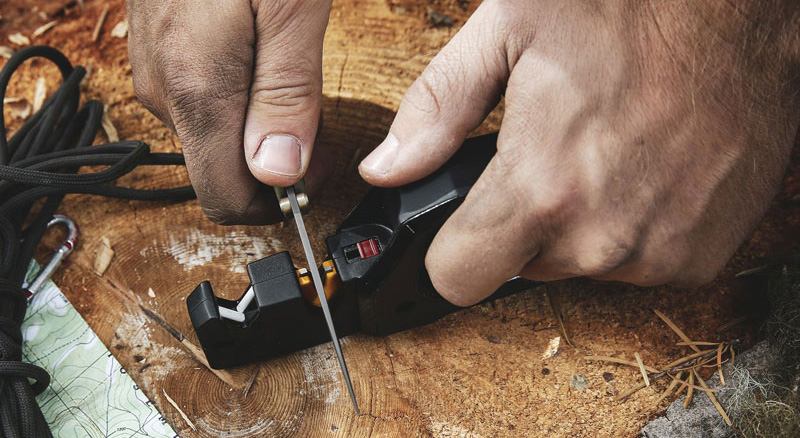
Step-by-Step Guide: Using a Ceramic Stone for Knife Sharpening
Follow these steps to restore and maintain your knife’s edge using a ceramic stone:
- Stabilize the Stone: Place your ceramic stone on a non-slip surface. A damp towel underneath can help prevent movement during sharpening.
- Determine the Angle: Most kitchen knives are sharpened at a 15–20 degree angle. Hold the knife so the edge meets the stone at the correct angle for your blade.
- Sharpen One Side: Starting at the heel of the blade, draw the knife across the stone toward the tip in a smooth, controlled motion. Maintain consistent pressure and angle. Repeat this motion 8–12 times, depending on the dullness of the blade.
- Switch Sides: Flip the knife and repeat the process on the other side to ensure an even edge.
- Alternate Strokes: For the final passes, alternate sides with each stroke. This helps remove any burr and polishes the edge.
- Wipe and Test: Carefully wipe the blade with a damp cloth to remove any residue. Test the sharpness by slicing through paper or gently running your thumb perpendicular to the edge (never along the edge).
If you’re interested in learning about finishing techniques, check out how to polish knife edges for a mirror-like finish.
Tips for Achieving the Best Results
Sharpening with a ceramic stone requires patience and attention to detail. Here are some practical tips to help you succeed:
- Consistency is key: Keep the sharpening angle steady throughout the process for an even edge.
- Use light pressure: Let the abrasive surface do the work. Excessive force can damage both the blade and the stone.
- Clean the stone regularly: Over time, metal particles can clog the surface. Use a soft brush or eraser designed for ceramic stones to keep it clean.
- Finish with a strop: After sharpening, using a leather strop can further refine the edge. Learn more about how to sharpen knives with a leather strop for optimal sharpness.

Common Mistakes to Avoid When Honing Blades
Even experienced users can make errors when working with ceramic stones. Here are some pitfalls to watch out for:
- Incorrect angle: Sharpening at the wrong angle can make the blade duller or create an uneven edge.
- Skipping sides: Focusing too much on one side leads to asymmetrical edges and poor performance.
- Neglecting maintenance: Failing to clean your stone reduces its effectiveness over time.
- Using a damaged stone: Chips or cracks in the ceramic can damage your knife. Inspect your stone before each use.
For more sharpening advice, you can explore how to sharpen dull knives for additional troubleshooting and techniques.
When to Use a Ceramic Stone vs. Other Sharpeners
Ceramic stones are best suited for maintaining and refining an already sharp edge. If your knife is extremely dull or damaged, you may need to start with a coarser stone, such as a diamond or synthetic waterstone, before finishing with ceramic. For those seeking a quick and convenient solution, electric sharpeners can also be effective, though they may not provide the same level of control as manual sharpening.
To see a variety of sharpening tricks and compare methods, check out this comprehensive guide to knife sharpening tricks.
Maintaining Your Ceramic Sharpening Stone
Proper care ensures your ceramic stone remains effective for years:
- Clean after each use: Wipe away metal filings with a damp cloth and periodically scrub with a soft brush.
- Store safely: Keep the stone in a dry, protected place to avoid chips or cracks.
- Flatten as needed: Although ceramic stones stay flat longer than other types, check for uneven wear and flatten if necessary using a lapping plate.
Frequently Asked Questions
How often should I sharpen my knives with a ceramic stone?
The frequency depends on how often you use your knives and the type of cutting tasks you perform. For home cooks, sharpening every few months is usually sufficient. Regular honing with a ceramic stone helps maintain the edge between more intensive sharpening sessions.
Can I use a ceramic stone on all types of knives?
Ceramic stones are suitable for most kitchen and utility knives, including stainless steel and high-carbon blades. However, extremely hard or specialty knives may require a different approach or professional sharpening.
What grit should I choose for my ceramic sharpening stone?
Most ceramic stones are fine-grit (typically 1000–3000 grit or higher), ideal for finishing and maintaining a sharp edge. If your knife is very dull, start with a coarser stone before moving to ceramic for final honing.
Is it necessary to use water or oil with a ceramic stone?
Ceramic stones are generally used dry or with a light mist of water. Avoid using oil, as it can clog the stone. Always follow the manufacturer’s recommendations for best results.
Conclusion
Mastering the use of a ceramic stone for knife maintenance is a valuable skill that pays off with safer, more efficient cutting and longer-lasting blades. With the right technique and regular care, your knives will remain sharp and ready for any task. For those looking to further refine their sharpening routine, consider exploring additional resources and tools to complement your ceramic stone.
This article contains affiliate links. We may earn a commission at no extra cost to you.