


 (858) 333-1035 Sales@knives.shop
 Keeping your kitchen knives sharp is essential for safe, efficient, and enjoyable cooking. Dull blades can slip and cause accidents, while a well-honed edge makes slicing, dicing, and chopping easier and more precise. Many home cooks wonder about the best way to maintain their chef’s knives without always relying on a professional. This guide explains how to sharpen chef’s knives at home using a variety of accessible methods, tools, and tips to help you achieve a razor-sharp edge right in your own kitchen.
Before diving into the sharpening process, it’s helpful to understand the basics of knife maintenance and the difference between honing and sharpening. Honing realigns the blade’s edge, while sharpening removes metal to create a new edge. Both are important for keeping your knives in top shape. If you’re interested in learning more about finishing techniques, check out knife strop techniques for a polished, refined edge.
Why Knife Sharpness Matters in the Kitchen
Sharp knives are not just a matter of convenience—they’re a crucial part of kitchen safety and food preparation. A keen edge allows for clean, controlled cuts, reducing the risk of slips and injuries. Additionally, sharp blades preserve the texture and appearance of ingredients, especially delicate foods like herbs, tomatoes, and fish. Regularly maintaining your chef’s knives at home ensures they perform at their best, making meal prep safer and more enjoyable.
Essential Tools for Sharpening Chef’s Knives at Home
There are several effective tools for restoring the edge on your kitchen blades. Each has its own advantages and learning curve. Here are the most common options:
- Whetstones (Sharpening Stones): Versatile and precise, these stones come in various grits for different stages of sharpening. They require some practice but offer excellent results.
- Manual Pull-Through Sharpeners: User-friendly and quick, these devices have preset angles and abrasive surfaces. They’re ideal for beginners but may not be as precise as stones.
- Electric Knife Sharpeners: Fast and convenient, electric models automate the sharpening process. They’re great for busy kitchens and consistent results.
- Honing Rods (Steels): While not technically sharpeners, honing rods help maintain the edge between sharpening sessions by realigning the blade.
Choosing the right tool depends on your comfort level, the types of knives you own, and how much time you want to invest in the process.
Step-by-Step Guide: Using a Whetstone for Sharpening
One of the most effective ways to restore a chef’s knife is with a whetstone. Here’s how to do it at home:
- Soak the Stone: If using a water stone, submerge it in water for 10–15 minutes until air bubbles stop rising. Oil stones require a few drops of honing oil instead.
- Set the Angle: Hold the knife at a 15–20 degree angle to the stone. Maintaining a consistent angle is key for a sharp, even edge.
- Sharpen the Blade: Starting at the heel, draw the blade across the stone in a sweeping motion, moving toward the tip. Repeat 10–15 times on one side, then switch to the other.
- Use Both Sides of the Stone: Begin with the coarse side to reshape the edge, then finish with the fine side for polishing.
- Check for a Burr: A slight, raised edge (burr) indicates you’ve sharpened enough. Remove it by lightly stropping the blade or using the fine side of the stone.
- Clean and Dry: Rinse the knife and stone, then dry thoroughly to prevent rust.
For more details on specific sharpening stones, you can explore how to sharpen knives with a ceramic stone or sharpening knives with a diamond stone for different materials and techniques.

Sharpening with Manual and Electric Devices
If you prefer a faster or more automated approach, manual pull-through and electric sharpeners are excellent alternatives. Here’s how to use them effectively:
Manual Pull-Through Sharpeners
These devices have slots with abrasive materials set at fixed angles. To use:
- Place the sharpener on a stable surface.
- Insert the knife blade into the slot, starting at the heel.
- Pull the blade through with light, even pressure, following the manufacturer’s instructions for the number of strokes.
- Finish with the fine slot for a polished edge.
Electric Knife Sharpeners
Electric models automate the sharpening process, making it easy for anyone to achieve a consistent edge. To use:
- Plug in the sharpener and select the appropriate slot (coarse or fine).
- Gently pull the blade through the slot, letting the machine do the work.
- Repeat as needed, alternating sides for even sharpening.
For those interested in a convenient, reliable tool, consider using an electric sharpener for your kitchen blades. After sharpening, always clean your knife to remove any metal filings.

Maintaining Your Knife’s Edge Between Sharpenings
Proper maintenance extends the life of your blade and reduces the frequency of sharpening. Here are some practical tips:
- Use a honing rod regularly to realign the edge between sharpening sessions.
- Hand wash knives and dry them immediately to prevent corrosion.
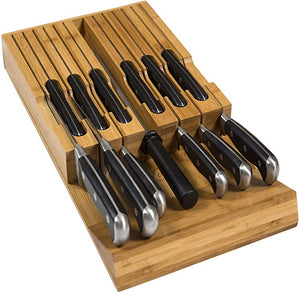
- Store knives in a block, on a magnetic strip, or with blade guards to protect the edge.
- Cut on wooden or plastic boards, not glass or stone, to avoid dulling the blade.
For a finishing touch, consider using a leather strop to polish and refine the edge. Learn more about how to sharpen knives with a leather strop for a professional-level result.
Alternative DIY Methods for Knife Sharpening
If you don’t have access to specialized tools, there are creative ways to restore your knife’s edge using household items. For example, ceramic mugs, sandpaper, or even car windows can serve as makeshift sharpening surfaces in a pinch. For step-by-step instructions, visit this DIY guide to sharpening a knife without a sharpener. While these methods are not a substitute for proper tools, they can be helpful in emergencies or for quick touch-ups.
How to Test Knife Sharpness Safely
After sharpening, it’s important to check your blade’s edge. Here are safe, effective ways to test sharpness:
- Paper Test: Hold a sheet of paper and slice through it. A sharp knife should cut cleanly without snagging.
- Tomato Test: Try slicing a ripe tomato. The blade should glide through the skin with minimal pressure.
- Visual Inspection: Look for light reflecting off the edge. A dull blade will show a shiny, rounded edge, while a sharp one appears nearly invisible.
Always use caution when handling and testing sharp knives to avoid injury.
Frequently Asked Questions
How often should I sharpen my chef’s knife at home?
The frequency depends on how often you use your knife and the types of foods you cut. For most home cooks, sharpening every few months is sufficient, with regular honing in between. If you notice your knife struggling to slice through tomatoes or onions, it’s time for a touch-up.
Can I damage my knife by sharpening it incorrectly?
Yes, using the wrong angle, too much pressure, or an inappropriate tool can harm your blade. Always follow the manufacturer’s recommendations and practice proper technique. Start slowly and focus on maintaining a consistent angle for best results.
What’s the difference between honing and sharpening?
Honing realigns the blade’s edge without removing material, while sharpening grinds away metal to create a new edge. Honing should be done regularly, while sharpening is needed less frequently to restore a dull blade.
Is it worth investing in an electric knife sharpener?
If you have several kitchen knives and want a quick, consistent solution, an electric sharpener can be a worthwhile investment. They’re especially useful for busy households or those less comfortable with manual sharpening techniques.
Conclusion
Learning how to sharpen chef’s knives at home empowers you to keep your kitchen tools in peak condition, ensuring safety and precision for every meal. Whether you choose a whetstone, manual sharpener, or electric device, regular maintenance and proper technique will extend the life of your blades and enhance your cooking experience. For those interested in achieving a mirror finish, explore how to polish knife edges for advanced tips. With the right knowledge and tools, anyone can master the art of knife sharpening at home.
This article contains affiliate links. We may earn a commission at no extra cost to you.