


 (858) 333-1035 Sales@knives.shop
 Keeping your kitchen or outdoor knives sharp is essential for safety, efficiency, and precision. Many people struggle with traditional sharpening methods, but using a guided system can make the process much easier and more consistent. This approach is especially helpful for beginners or anyone who wants reliable results every time. In this article, you'll learn how to sharpen knives using a guided system, what tools you need, and the step-by-step process for achieving a razor-sharp edge.
Whether you're maintaining chef’s knives, outdoor blades, or specialty tools, a guided sharpening system helps eliminate guesswork and ensures the correct angle throughout the process. If you want to dive deeper into specific techniques for different knife types, you might also find value in resources like how to sharpen knives for chefs’ knives, which covers best practices for culinary blades.
What Is a Guided Knife Sharpening System?
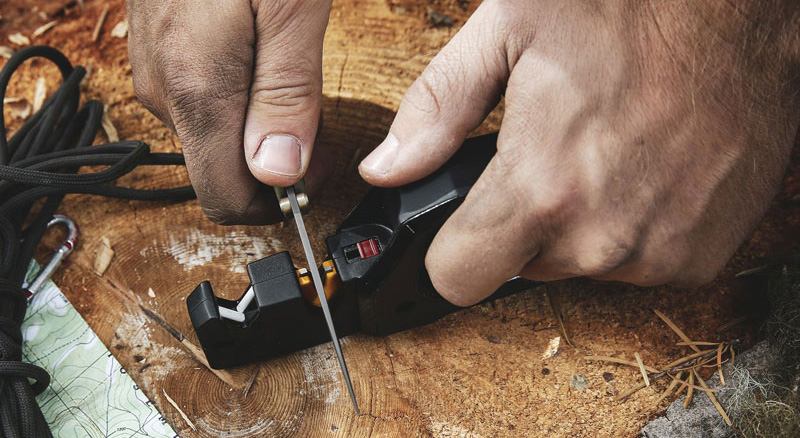
A guided sharpening system is a tool that holds your knife at a fixed angle while you move it across a sharpening surface, or vice versa. This setup ensures that each stroke is consistent, which is crucial for achieving a sharp, even edge. Guided systems can be manual or electric, and they often come with adjustable angle settings to suit different types of blades.
Unlike freehand sharpening, which requires a steady hand and experience, a guided system makes it much easier to maintain the correct angle. This reduces the risk of damaging your knife or creating an uneven edge.
Benefits of Using a Guided System for Knife Sharpening
- Consistency: Maintains a uniform angle throughout the sharpening process.
- Ease of Use: Ideal for beginners and those who want reliable results.
- Versatility: Works with a variety of knives, from kitchen blades to outdoor tools.
- Safety: Reduces the risk of slipping and accidental cuts.
- Efficiency: Speeds up the sharpening process and minimizes guesswork.
Essential Tools and Materials
Before you start, gather the following items:
- A guided sharpening system (manual or electric)
- Sharpening stones or abrasive belts (as required by your system)
- A clean, dry cloth for wiping the blade
- Water or honing oil (if using water stones or oil stones)
- Protective gloves (optional, for added safety)
Step-by-Step Guide: How to Sharpen Knives Using a Guided System
Follow these steps to restore your knife’s edge using a guided system:
- Set Up the Guided System: Assemble your sharpening device according to the manufacturer’s instructions. Choose the appropriate angle for your knife—most kitchen knives are sharpened at 15–20 degrees, while outdoor or survival knives may require a slightly wider angle.
- Secure the Knife: Place your knife in the system’s clamp or holder, making sure it is firmly secured. Double-check that the blade is positioned correctly and that the angle guide is set to your desired degree.
- Select the Sharpening Grit: Start with a coarse grit if your knife is very dull or damaged. For regular maintenance, a medium or fine grit is usually sufficient.
- Sharpen One Side: Move the sharpening stone or abrasive along the edge, following the guide’s path. Apply gentle, even pressure and make sure to cover the entire length of the blade.
- Switch Sides: Once you’ve raised a burr (a slight, rough edge) on one side, flip the knife and repeat the process on the other side.
- Progress Through Finer Grits: If your system includes multiple stones or belts, move to a finer grit to polish the edge and remove any remaining burrs.
- Clean and Test: Wipe the blade clean with a dry cloth. Test the sharpness by slicing through a piece of paper or gently running your thumb perpendicular to the edge (never along the edge).
Tips for Best Results with Guided Sharpeners
- Read the Manual: Each system has unique features—review the instructions for your specific model.
- Keep the System Clean: Wipe down stones or belts after each use to prevent buildup.
- Use Light Pressure: Let the abrasive do the work; too much force can damage the edge.
- Check Your Progress: Inspect the blade regularly to avoid over-sharpening or creating an uneven edge.
- Practice Regular Maintenance: Sharpen your knives before they become excessively dull for easier upkeep. For more on maintenance schedules, see the knife sharpening frequency guide.
Common Mistakes to Avoid When Using a Guided System
- Incorrect Angle Setting: Double-check the angle before starting to ensure optimal sharpness.
- Skipping Grits: Progress through each grit to achieve a polished, long-lasting edge.
- Neglecting Both Sides: Sharpen both sides evenly to maintain blade balance.
- Not Cleaning the Blade: Always wipe the blade after sharpening to remove metal filings and debris.

Sharpening for Different Knife Types
Guided systems are versatile and can be used for various blade styles. For example, if you’re working with outdoor or survival knives, you may want to review specialized advice such as knife sharpening for survival knives. Fillet knives, used for fish, often require a finer edge and a lower angle, so consider checking out tips for how to sharpen knives for filleting fish as well.
When to Sharpen and How Often
How frequently you sharpen your knives depends on how often you use them and the type of cutting tasks you perform. For home cooks, sharpening every few months is usually sufficient, while professionals or outdoor enthusiasts may need to touch up their blades more often. Regular honing with a steel can help maintain the edge between sharpenings, but eventually, every knife will need a full sharpening session.
Additional Resources and Expert Advice
If you want to learn more about the science and techniques behind knife sharpening, there are many expert guides available. For a comprehensive overview of sharpening fundamentals, check out this step-by-step knife sharpening tutorial from Field & Stream. These resources can help you refine your skills and troubleshoot any issues you encounter along the way.
Frequently Asked Questions
Is a guided system better than freehand sharpening?
For most users, especially beginners, a guided system offers more consistent results and reduces the risk of damaging the blade. Freehand sharpening requires more skill and practice to achieve the same level of precision.
What angle should I use for my kitchen knives?
Most kitchen knives perform best when sharpened at an angle between 15 and 20 degrees. Always consult your knife manufacturer’s recommendations or use the system’s preset angles for guidance.
How do I know when my knife is sharp enough?
A sharp knife should easily slice through paper or tomatoes without tearing. You can also gently feel for a burr along the edge or test the blade’s performance during normal use.
Can I use a guided system for serrated knives?
Some guided systems include attachments or special rods for serrated blades, but not all do. Check your system’s compatibility before attempting to sharpen serrated knives.
How often should I replace the abrasive stones or belts?
Replace stones or belts when they become worn, glazed, or no longer remove material efficiently. Regular cleaning and proper storage can extend their lifespan.