


 (858) 333-1035 Sales@knives.shop
 Maintaining a sharp boning knife is essential for anyone who regularly prepares meat, poultry, or fish. A well-honed blade allows for precise cuts, reduces the risk of accidents, and makes the entire process more efficient. Whether you’re a professional chef or a home cook, understanding how to sharpen boning knives will help you get the best performance from your tools and extend their lifespan.
While boning knives are designed for flexibility and precision, their thin blades can dull quickly if not cared for properly. This guide covers the most effective methods for restoring a keen edge, the tools you’ll need, and tips for keeping your knife in top condition. If you’re interested in learning about other knife sharpening techniques, you might also want to read about how to sharpen fillet knives for additional insights.
Why Keeping Your Boning Knife Sharp Matters
Boning knives are specialized for removing bones and skinning meat with minimal waste. A dull blade can slip, making it harder to control and increasing the risk of injury. Regular sharpening ensures:
- Cleaner cuts with less effort
- Improved safety and control
- Less damage to delicate proteins
- Longer lifespan for your knife
Proper maintenance also means you’ll spend less time sharpening in the long run, as frequent touch-ups prevent the edge from becoming too worn.
Essential Tools for Sharpening Boning Knives
Before you start, gather the right equipment. The best method depends on your experience and the tools you have available. Common options include:
- Whetstones (water stones or oil stones) for manual sharpening
- Sharpening rods (ceramic or steel) for quick touch-ups
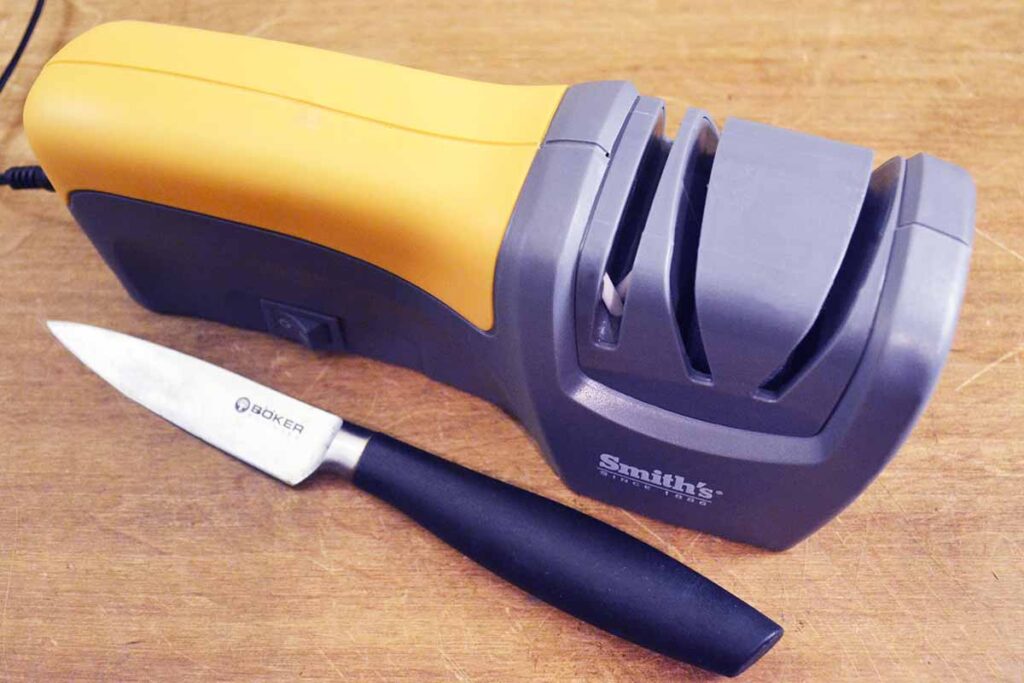
- Electric sharpeners for convenience and speed
- Strops for finishing and polishing the edge
For those interested in advanced techniques, check out resources on knife strop techniques and how to sharpen knives with a ceramic stone for more detailed guidance.
Step-by-Step Guide: Manual Sharpening with a Whetstone
Sharpening your boning knife by hand gives you the most control over the blade’s edge. Here’s how to do it:
- Soak the whetstone (if using a water stone) for 10–15 minutes before starting.
- Set the angle: Hold the knife at a 15–20 degree angle to the stone. Boning knives typically require a finer edge than chef’s knives.
- Draw the blade: Starting at the heel, draw the blade across the stone in a sweeping motion, maintaining the angle. Repeat 8–10 times on one side.
- Switch sides: Flip the knife and repeat the process on the other side.
- Alternate sides: Make a few alternating strokes to even out the edge.
- Finish with a strop or fine ceramic rod to polish the edge and remove any burrs.
Always rinse and dry your knife thoroughly after sharpening to prevent corrosion.
Using Electric Sharpeners for Boning Knives
Electric sharpeners are a convenient option for those who want quick results with minimal effort. Many modern devices have guides that help maintain the correct angle, making them suitable even for beginners. Here’s how to use one effectively:
- Read the manufacturer’s instructions to ensure your knife is compatible.
- Insert the blade into the designated slot, starting at the heel.
- Draw the knife through slowly and smoothly, letting the machine do the work.
- Repeat as needed, usually 2–3 passes per side.
- Finish with a honing rod or strop for a razor-sharp edge.
Electric sharpeners are especially useful for those who sharpen their knives frequently or have multiple blades to maintain. For more information on electric and manual sharpening tricks, visit this comprehensive guide to knife sharpening tricks.
Honing and Stropping: Maintaining a Razor Edge
Sharpening removes metal to restore the edge, but honing and stropping are equally important for daily maintenance. Honing realigns the blade, while stropping polishes and refines it. Here’s how to incorporate these steps:
- Use a honing rod before each use to keep the edge straight.
- Strop the blade on leather or a dedicated strop after sharpening for a mirror finish.
- For more details, see the article on sharpening knives with a leather strop.
Regular honing and stropping reduce the need for frequent sharpening and help your boning knife perform at its best.
Common Mistakes to Avoid When Sharpening Boning Knives
Even experienced cooks can make errors that affect the sharpness or longevity of their blades. Be mindful of these common pitfalls:
- Using the wrong angle: Too steep or too shallow can damage the edge.
- Applying uneven pressure: This leads to an inconsistent edge.
- Skipping honing or stropping: Neglecting these steps can leave the blade rough or misaligned.
- Not cleaning the knife after sharpening: Metal filings can cause rust or contaminate food.
Taking your time and following best practices ensures a sharp, safe, and long-lasting boning knife.
How Often Should You Sharpen Your Boning Knife?
The frequency depends on how often you use your knife and the types of foods you prepare. As a general rule:
- Home cooks: Sharpen every 2–3 months, hone before each use.
- Professional chefs: May need to sharpen weekly or biweekly, depending on workload.
- Strop regularly to maintain a fine edge between sharpenings.
Pay attention to how the knife feels during use—if it drags or tears rather than slicing cleanly, it’s time to sharpen.
FAQs About Sharpening Boning Knives
What is the best angle for sharpening a boning knife?
Most boning knives perform best when sharpened at a 15–20 degree angle. This provides a fine, precise edge suitable for delicate work. Always check the manufacturer’s recommendation for your specific knife.
Can I use an electric sharpener on all boning knives?
Many electric sharpeners are compatible with boning knives, but it’s important to verify with the device’s manual. Some very flexible or narrow blades may not fit certain models. When in doubt, manual sharpening with a whetstone is a safe option.
How do I know when my boning knife needs sharpening?
If the blade struggles to cut through meat cleanly, slips off bones, or requires extra force, it’s likely time to sharpen. You can also test the edge by slicing through a sheet of paper—if it doesn’t cut smoothly, a sharpening session is in order.
Is honing the same as sharpening?
No, honing realigns the blade’s edge without removing material, while sharpening grinds away metal to restore sharpness. Both are important for keeping your knife in optimal condition.
What’s the difference between a boning knife and a fillet knife in terms of sharpening?
Boning knives are usually thicker and less flexible than fillet knives, so they may require a slightly different angle or technique. For more on this topic, see our guide on how to sharpen fillet knives.
Conclusion
Keeping your boning knife sharp is crucial for safe, efficient, and precise food preparation. Whether you prefer manual sharpening with a whetstone or the convenience of an electric sharpener, following the right steps will help you achieve a razor-sharp edge. Don’t forget to hone and strop regularly, and avoid common mistakes to get the most out of your knife. With the right care, your boning knife will remain a reliable tool in your kitchen for years to come.