


 (858) 333-1035 Sales@knives.shop
 Achieving clean, accurate slices in the kitchen starts with a properly honed blade. Whether you're preparing delicate vegetables, filleting fish, or carving meat, the sharpness and condition of your knife play a crucial role in both safety and performance. Understanding how to sharpen knives for precision cuts ensures every movement is controlled and efficient, reducing the risk of slips and uneven results.
Many home cooks and professionals alike seek to improve their sharpening skills, but the process can seem daunting with so many tools and techniques available. This guide will break down the essentials, from choosing the right sharpening method to maintaining the ideal edge for detailed work. For those interested in more specialized techniques, consider exploring topics like how to sharpen knives evenly for additional insights.
Why Sharpness Matters for Detailed Cutting
Precision in the kitchen is more than just a matter of aesthetics. A finely sharpened knife allows for thinner, more uniform slices, which can affect cooking times, presentation, and even flavor. Dull blades require more force, increasing the likelihood of slips and accidents. By maintaining a keen edge, you ensure that each cut is intentional and controlled, making food prep both safer and more enjoyable.
When striving for accuracy, the type of edge and the consistency of the sharpening process are key. Using the right tools and maintaining a consistent angle are fundamental steps in achieving a razor-sharp blade suitable for intricate tasks.
Essential Tools for Achieving a Razor-Sharp Edge
Before diving into the sharpening process, it's important to gather the right equipment. Here are some common tools used to achieve a fine edge for detailed work:
- Whetstones (Sharpening Stones): Provide control over grit and angle, making them a favorite for those seeking a polished edge.
- Honing Rods: Useful for realigning the blade between sharpenings, but not for removing material or repairing dull edges.
- Electric Sharpeners: Offer convenience and speed, especially for beginners or those sharpening multiple knives regularly.
- Guided Sharpening Systems: Help maintain a consistent angle, which is critical for achieving uniform sharpness.
For a deeper dive into professional-grade options, see resources like knife sharpening tools for pros.

Step-by-Step Guide: How to Sharpen Knives for Precision Cuts
Mastering the art of sharpening involves patience and attention to detail. Here’s a practical approach to restoring your blade’s edge for meticulous slicing:
1. Assess the Blade Condition
Start by examining your knife. If the edge is chipped or extremely dull, begin with a coarser grit stone or an electric sharpener. For routine maintenance, a medium or fine grit is usually sufficient.
2. Choose the Right Angle
Maintaining a consistent angle is crucial. Most kitchen knives perform best at an angle between 15 and 20 degrees. For help with this, consider using a knife sharpening angle guide to keep your strokes uniform.
3. Use Proper Technique
- Whetstone Method: Soak the stone if required. Hold the knife at the chosen angle and draw the blade across the stone from heel to tip, applying even pressure. Repeat on both sides, gradually moving to finer grits for a polished finish.
- Electric Sharpener: Insert the blade into the designated slot, following the manufacturer’s instructions. These devices are designed to maintain the correct angle and pressure automatically.
- Honing: After sharpening, use a honing rod to realign the edge and remove any lingering burrs.
For a more in-depth look at stone techniques, see sharpening knives on a flat stone.

Tips for Maintaining a Fine Edge
Once you’ve achieved a sharp edge, regular maintenance will keep your knife performing at its best. Here are some practical tips:
- Use a honing rod before each use to keep the edge aligned.
- Hand wash and dry knives immediately after use to prevent corrosion.
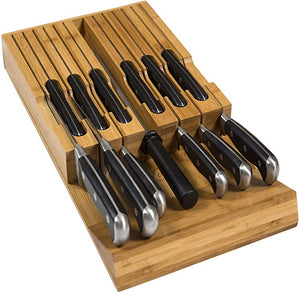
- Store knives in a block, magnetic strip, or sheath to protect the edge.
- Avoid cutting on hard surfaces like glass or stone, which can dull the blade quickly.
For those looking to save time, check out advice on how to sharpen knives quickly without sacrificing quality.
Common Mistakes to Avoid When Sharpening
Even experienced cooks can fall into bad habits when maintaining their blades. Here are a few pitfalls to watch out for:
- Inconsistent Angle: Changing the sharpening angle mid-stroke leads to an uneven edge and poor performance.
- Skipping Grits: Jumping from coarse to fine grit too quickly can leave the blade rough and less effective for detailed work.
- Neglecting Burr Removal: Failing to remove the burr after sharpening can result in a blade that feels sharp but performs poorly.
- Using Too Much Pressure: Excessive force can damage the blade and reduce its lifespan.
For additional sharpening tips and tricks, visit resources like this comprehensive knife sharpening guide for expert advice.
Frequently Asked Questions
How often should I sharpen my kitchen knives?
The frequency depends on usage. For home cooks, sharpening every few months is typical, with regular honing in between. Professional chefs may sharpen their knives weekly or even daily, depending on workload.
What’s the difference between honing and sharpening?
Sharpening removes material to create a new edge, while honing realigns the existing edge without removing significant metal. Both are important for maintaining a blade suitable for precise cuts.
Can I use an electric sharpener for all types of knives?
Most electric sharpeners are designed for standard kitchen knives. However, some specialty blades (such as serrated or Japanese knives) may require specific tools or manual methods to avoid damage.
Conclusion
Developing the skill to maintain a razor-sharp edge is essential for anyone who values accuracy and safety in the kitchen. By selecting the right tools, following consistent techniques, and avoiding common mistakes, you can ensure your knives are always ready for the most detailed tasks. Remember, a well-sharpened blade not only makes cooking easier but also elevates the quality of your results.