


 (858) 333-1035 Sales@knives.shop
 Keeping your kitchen or workshop knives in optimal condition requires more than just occasional sharpening. A consistently straight edge ensures clean cuts, improved safety, and longer blade life. Whether you’re a home cook, a professional chef, or a craftsman, understanding how to maintain a straight edge will help you get the most from your tools and avoid common pitfalls that can damage your blades.
In this guide, you'll find practical advice on daily care, sharpening routines, and the best tools and habits to preserve a razor-sharp, straight edge. For those looking to dive deeper into sharpening techniques, you may also want to explore how to sharpen dull knives for a comprehensive overview of restoring blade performance.
Understanding the Importance of a Straight Edge
A straight knife edge is essential for precise, effortless cutting. When the blade is well-maintained, it glides through food or materials with minimal resistance, reducing the risk of slips and accidents. Over time, even the best knives can develop nicks, bends, or unevenness from regular use, improper storage, or incorrect sharpening. Recognizing the signs of a compromised edge early helps you take corrective action before permanent damage occurs.
Maintaining a straight edge also extends the lifespan of your knives. Regular care prevents excessive wear, so you won’t need to replace your favorite blades as often. This not only saves money but also ensures you always have reliable tools at hand.
Daily Habits for Preserving Knife Edges
Developing simple routines can make a big difference in keeping your knife edges straight and sharp. Here are some effective daily practices:
- Use the right cutting surface: Always cut on wooden or plastic boards. Hard surfaces like glass, stone, or metal can quickly dull or deform your blade.
- Clean knives promptly: Wash and dry your knives immediately after use. Avoid leaving them soaking in water, as this can lead to corrosion and edge damage.
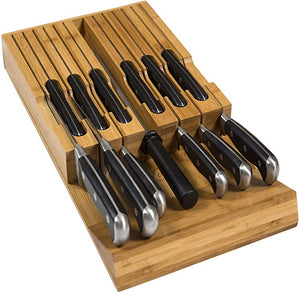
- Store knives properly: Use a knife block, magnetic strip, or blade guard. Tossing knives in a drawer can cause the edge to chip or bend.
- Handle with care: Avoid twisting or prying with the blade, as this can misalign the edge.
Sharpening Techniques to Keep a Consistent Edge
Even with careful use, knives will eventually need sharpening. Knowing how to maintain a straight edge during this process is crucial. Here’s what you should keep in mind:
- Choose the right sharpening tool: Whetstones, honing rods, and electric sharpeners each have their place. For many, a whetstone provides the most control and precision.
- Maintain a consistent angle: Sharpening at the correct angle (usually 15–20 degrees for most kitchen knives) ensures the edge remains straight and even. Inconsistent angles can create a wavy or uneven edge.
- Use gentle, even strokes: Apply light pressure and move the blade smoothly across the sharpening surface. Avoid pressing too hard, as this can remove too much metal and distort the edge.
- Finish with honing: After sharpening, use a honing rod to realign the microscopic teeth along the edge, keeping it straight and ready for use.
For a step-by-step guide to sharpening, you can refer to this comprehensive article on kitchen knife sharpening that covers both technique and tool selection.

Common Mistakes That Can Ruin a Knife Edge
Many people unintentionally damage their blades by making avoidable errors. Here are some frequent mistakes to watch out for:
- Over-sharpening: Excessive sharpening can wear down the blade and alter its profile. Learn more about this issue in our guide on how to avoid over-sharpening.
- Incorrect sharpening angle: Using the wrong angle can create a bevel that’s too wide or too narrow, making the edge less effective and harder to maintain.
- Skipping honing: Sharpening without honing leaves the edge misaligned, reducing cutting performance.
- Neglecting to flatten your whetstone: An uneven sharpening surface can lead to inconsistent results. For advice on this, see our article on how to flatten a whetstone.
For more on what to avoid, check out our list of knife sharpening mistakes to avoid.
Choosing the Right Tools for Edge Maintenance
The tools you use play a significant role in how well you can maintain a straight edge. Here are some options to consider:
- Whetstones: Offer precise control and can handle both sharpening and polishing. For best results, select a quality stone and keep it flat.
- Honing rods: Ideal for daily maintenance, realigning the edge between sharpening sessions.
- Electric sharpeners: Provide convenience and speed, especially for those new to sharpening. Just be sure to use a model designed for straight edges.
- Guided sharpening systems: Help maintain a consistent angle, reducing the risk of uneven edges.
If you’re unsure which whetstone to choose, our resource on the best whetstones for knives can help you make an informed decision.

How Often Should You Sharpen and Hone?
Frequency depends on how often you use your knives and the types of materials you cut. As a general rule:
- Hone regularly: For home cooks, honing every 2–3 uses helps keep the edge aligned.
- Sharpen as needed: Most kitchen knives benefit from sharpening every few months, or when you notice decreased performance. Professional chefs may need to sharpen more often.
Pay attention to how your knife feels during use. If it starts to drag or tear rather than slice, it’s time for maintenance.
FAQ
What’s the difference between honing and sharpening?
Honing realigns the edge of the blade, correcting minor bends and keeping it straight. Sharpening removes metal to create a new edge. Both are important for maintaining optimal performance.
Can I use an electric sharpener for all my knives?
Electric sharpeners are convenient and effective for many straight-edged knives. However, always check if your specific knife type is compatible, as some delicate or specialty blades may require manual sharpening for best results.
How do I know if my knife edge is straight?
Visual inspection under good light can reveal nicks or bends. You can also test by slicing through paper or a tomato—if the blade catches or tears, the edge may be uneven or dull.
Is it possible to over-sharpen a knife?
Yes, sharpening too frequently or removing too much material can thin the blade and alter its shape. Focus on regular honing and only sharpen when necessary to preserve the blade’s integrity.