


 (858) 333-1035 Sales@knives.shop
 Keeping your kitchen blades sharp is essential for safe, efficient, and enjoyable food preparation. Dull knives require more force, increase the risk of slipping, and can damage ingredients. Understanding how to sharpen kitchen knives properly ensures your tools remain in top condition, making every meal easier to prepare. This guide covers practical sharpening techniques, recommended tools, and tips for maintaining a keen edge on the knives you use daily.
Whether you’re slicing vegetables, filleting fish, or preparing cheese, the right sharpening approach can make a significant difference. If you’re interested in specialized advice, you might also want to explore knife sharpening for Gyuto knives for more detailed guidance on Japanese chef’s knives.
Why Sharp Knives Matter in the Kitchen
Sharp kitchen knives are not just about convenience—they’re about safety and precision. A properly honed blade glides through food, reducing the need for excessive pressure and minimizing the risk of accidents. Dull edges can crush delicate ingredients, leading to uneven cuts and compromised textures. Regular maintenance, including learning how to sharpen kitchen knives, extends the life of your tools and enhances your cooking experience.
- Safety: Less force means fewer slips and accidental cuts.
- Efficiency: Sharp blades cut faster and cleaner, saving time.
- Food Quality: Clean cuts preserve the integrity of ingredients.
Essential Tools for Sharpening Kitchen Knives
There are several effective ways to restore a keen edge to your everyday blades. The right tool depends on your skill level, the type of knife, and how much time you want to invest. Here are the most common options:
- Whetstones: Offer the most control and are suitable for all types of knives, including Japanese and Western styles.
- Manual Sharpeners: Simple to use and ideal for quick touch-ups.
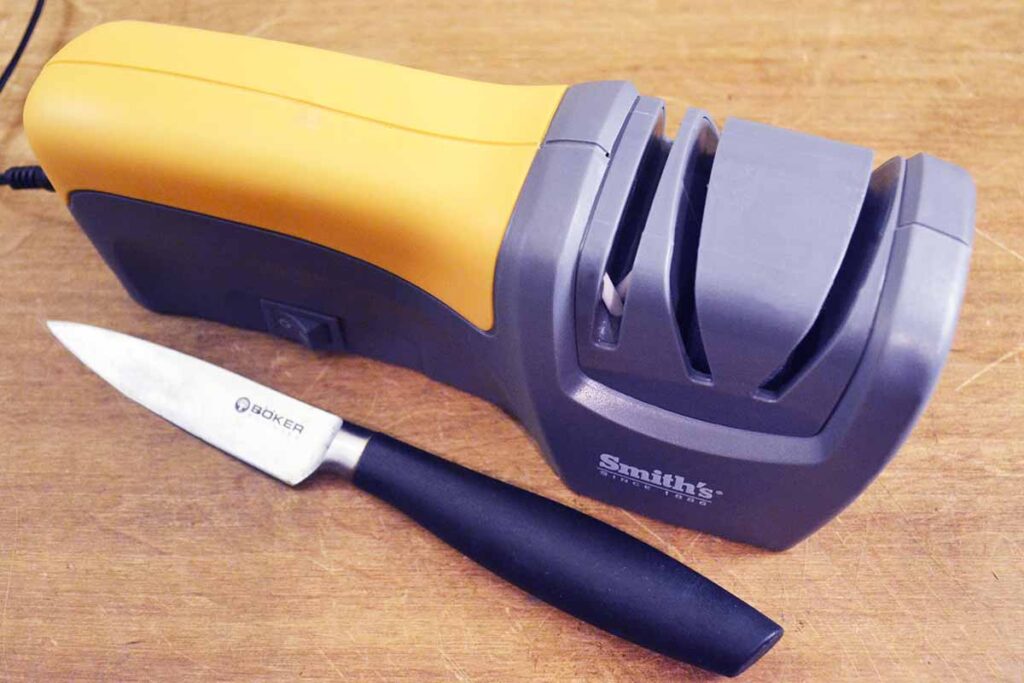
- Electric Sharpeners: Fast and convenient, especially for busy kitchens.
- Honing Rods: Maintain the edge between sharpenings but do not remove metal.
For those interested in alternative methods, you can find creative solutions in this DIY guide to sharpening a knife without a sharpener.
Step-by-Step: Using a Whetstone for Razor-Sharp Results
One of the most reliable techniques for keeping your kitchen knives sharp is using a whetstone. This method works for a wide range of blades and allows for precise control over the sharpening angle.
- Soak the Stone: Immerse the whetstone in water for 10–15 minutes until bubbles stop rising.
- Set the Angle: Hold the knife at a 15–20 degree angle for most Western knives (Japanese knives may require a slightly lower angle).
- Sharpen: Glide the blade across the stone in a sweeping motion, maintaining consistent pressure and angle. Repeat 10–15 times per side.
- Refine: Flip to the finer grit side of the stone and repeat the process for a polished edge.
- Clean and Dry: Rinse the blade and stone, then dry thoroughly to prevent rust.
Quick and Easy: Manual and Electric Sharpeners
If you’re looking for a fast way to restore your knife’s edge, manual and electric sharpeners are practical choices. These devices guide the blade through preset angles, making the process simple for beginners and busy home cooks.
- Manual Sharpeners: Pull the blade through the slots a few times, starting with the coarse setting and finishing with the fine slot.
- Electric Sharpeners: Place the knife in the designated slot and let the machine do the work. These are especially useful for those who sharpen frequently or have multiple knives.
Maintaining the Edge: Honing and Storage Tips
Sharpening restores a dull edge, but regular honing keeps your knives performing at their best between sharpening sessions. A honing rod realigns the blade, correcting minor bends and maintaining sharpness. Here’s how to use one:
- Hold the rod vertically with the tip resting on a stable surface.
- Place the heel of the knife at the top of the rod at a 15–20 degree angle.
- Draw the blade down and across the rod, from heel to tip, alternating sides for 6–8 strokes.
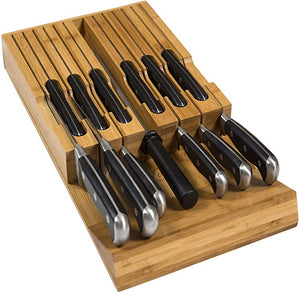
Proper storage is also crucial. Use a knife block, magnetic strip, or blade guards to prevent dulling and accidental damage. Avoid tossing knives in drawers where they can knock against other utensils.
Sharpening Techniques for Specialty Knives
Different kitchen tasks require unique blades, and each type may benefit from a tailored sharpening approach. For example, knife sharpening for filleting knives involves maintaining a flexible, razor-thin edge, while knife sharpening for pastry knives focuses on serrated edges. Always check the manufacturer’s recommendations for your specific knife type.
For cheese or boning knives, you can find more specialized advice in guides like knife sharpening for cheese knives and knife sharpening for boning knives.
Common Mistakes to Avoid When Sharpening
Even with the right tools, mistakes can lead to uneven edges or even damage your knives. Here are some pitfalls to watch out for:
- Using the Wrong Angle: Inconsistent angles create a dull or uneven edge.
- Applying Too Much Pressure: Excessive force can remove too much metal or chip the blade.
- Neglecting to Clean: Failing to rinse and dry your knives after sharpening can cause rust.
- Skipping Honing: Without regular honing, knives dull faster and require more frequent sharpening.
FAQ: Sharpening and Caring for Kitchen Knives
How often should I sharpen my kitchen knives?
The frequency depends on usage, but most home cooks benefit from sharpening every 2–3 months. Regular honing between sharpenings helps maintain the edge for longer.
Can I use an electric sharpener on all types of knives?
Electric sharpeners are suitable for most Western-style knives. However, for Japanese blades or specialty knives, check the manufacturer’s recommendations to avoid damaging the blade.
What’s the difference between honing and sharpening?
Honing realigns the blade’s edge without removing metal, while sharpening grinds away material to create a new edge. Both are important for maintaining optimal performance.
Is it possible to sharpen a knife without a dedicated sharpener?
Yes, there are several household methods, such as using the bottom of a ceramic mug. For more details, see this DIY guide to sharpening a knife without a sharpener.
How do I know when my knife needs sharpening?
If your knife struggles to slice through tomatoes or slips off onions, it’s time to sharpen. A simple test is to try cutting a sheet of paper—if the blade snags or tears, it needs attention.
With the right knowledge and tools, keeping your kitchen knives sharp is a straightforward task that pays off in safety, efficiency, and food quality. Regular maintenance and proper technique ensure your blades are always ready for any culinary challenge.
This article contains affiliate links. We may earn a commission at no extra cost to you.