


 (858) 333-1035 Sales@knives.shop
 Keeping your axe in peak condition is essential for safe and efficient woodcutting, splitting, and outdoor work. A dull blade not only makes tasks harder but also increases the risk of accidents. Learning how to sharpen axes properly will extend the life of your tool and ensure every swing counts. This article provides a step-by-step approach, covering the right tools, techniques, and safety tips for maintaining a razor-sharp edge on your axe.
Before diving into the sharpening process, it's helpful to understand the basics of axe maintenance and why a sharp edge matters. If you're interested in sharpening other types of blades, such as knife sharpening for Gyuto knives, you'll find some similarities in technique, but axes require their own unique approach due to their size and intended use.
Essential Tools for Axe Sharpening
Before starting, gather the necessary equipment. Having the right tools will make the sharpening process smoother and more effective. Here are the most common items you'll need:
- File: A mill bastard file is ideal for removing nicks and restoring the basic edge shape.
- Sharpening stone: Use a coarse and a fine grit stone for refining and polishing the edge.
- Clamp or vise: Secures the axe for safe, controlled sharpening.
- Protective gloves: Prevent accidental cuts during the process.
- Lubricant: Water or honing oil reduces friction and helps achieve a smoother finish.
Some people also use electric sharpeners for speed and convenience, but manual methods offer greater control and help preserve the axe's temper.
Preparing Your Axe for Sharpening
Proper preparation is crucial for effective sharpening. Begin by cleaning the blade with a wire brush to remove dirt, sap, and rust. Inspect the edge for chips, dents, or significant damage. If the blade is severely damaged, you may need to reshape it with a grinder before proceeding with finer sharpening tools. Always ensure your workspace is stable and well-lit, and secure the axe head in a vise or clamp for safety.
Step-by-Step Guide: Sharpening Your Axe Blade
Follow these steps to restore a keen edge to your axe:
- Secure the Axe: Place the axe head in a vise or clamp, exposing the blade and keeping it stable.
- File the Edge: Hold the file at the original bevel angle (typically 20–30 degrees). Push the file across the edge in smooth, even strokes, working from the heel to the toe of the blade. File both sides evenly until the edge is symmetrical and any nicks are removed.
- Use a Sharpening Stone: Apply a few drops of water or honing oil to the stone. Move the stone in small circles or sweeping motions along the edge, maintaining the bevel angle. Start with the coarse side to refine the shape, then switch to the fine side for a polished finish.
- Remove the Burr: As you sharpen, a thin burr may form on the opposite side of the edge. Flip the axe and gently hone the other side to remove it, ensuring a clean, sharp edge.
- Test the Sharpness: Carefully check the blade by slicing a piece of paper or shaving a small section of wood. A properly sharpened axe should cut smoothly without tearing.
For more detailed sharpening techniques, you can refer to resources like this comprehensive guide on sharpening tricks.
Maintaining a Sharp Axe Edge
Regular maintenance helps keep your axe in top condition and reduces the need for extensive sharpening. After each use, clean the blade and dry it thoroughly to prevent rust. Store your axe in a dry place, preferably with a blade cover. Lightly oil the edge to protect it from moisture. Periodically check for dullness and touch up the edge with a fine stone as needed.
If you work with specialized blades, you might also be interested in techniques for knife sharpening for filleting knives, which require a different approach due to their thin, flexible profiles.

Common Mistakes When Sharpening Axes
Even experienced users can make errors during the sharpening process. Here are some pitfalls to avoid:
- Incorrect angle: Sharpening at too steep or too shallow an angle can weaken the edge or make it too blunt for effective cutting.
- Uneven filing: Focusing too much on one side leads to an asymmetrical edge, reducing performance and safety.
- Overheating: Using power tools without caution can heat the blade, damaging the steel’s temper and reducing durability.
- Neglecting safety: Failing to wear gloves or secure the axe can result in serious injury.
Take your time and check your progress frequently to ensure a consistent, sharp edge.
Choosing Between Manual and Electric Sharpeners
Manual sharpening with files and stones offers precision and control, making it ideal for those who want to preserve the original blade geometry. Electric sharpeners, on the other hand, provide speed and convenience, especially for those who sharpen tools frequently. If you opt for an electric device, select one designed for axes and follow the manufacturer’s instructions to avoid overheating or removing too much material.
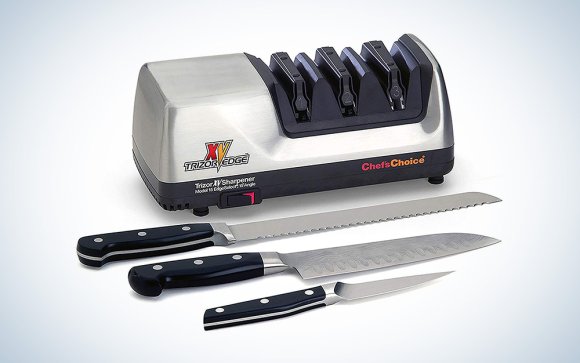
For those interested in electric options, consider products like the one featured above, which can save time while delivering reliable results.
Frequently Asked Questions
How often should I sharpen my axe?
The frequency depends on usage. For regular woodcutting, inspect the edge after each session and touch up as needed. Occasional users can sharpen their axe a few times per season or whenever the blade feels dull.
Can I use a grinder to sharpen my axe?
Grinders can quickly reshape a damaged edge but should be used with caution. Excessive heat from grinding can affect the steel’s temper. Always use light pressure, keep the blade cool, and finish with a file or stone for the best edge.
What is the best angle for sharpening an axe?
Most axes perform best with a bevel angle between 20 and 30 degrees. Thinner angles are sharper but less durable, while thicker angles are tougher but may not cut as cleanly. Maintain the original bevel unless you have a specific need to change it.
Conclusion
Mastering the process of how to sharpen axes ensures your tool remains safe, efficient, and long-lasting. With the right tools, careful technique, and regular maintenance, you can keep your axe performing at its best for years to come. Whether you prefer manual sharpening or opt for an electric sharpener, following these guidelines will help you achieve a sharp, reliable edge every time.
This article contains affiliate links. We may earn a commission at no extra cost to you.