


 (858) 333-1035 Sales@knives.shop
 Maintaining a sharp edge on your kitchen blades is essential for both safety and performance. If you want to master how to sharpen European knives, understanding the unique characteristics of these tools is the first step. European-style blades, such as those from Germany or France, are known for their robust construction and slightly wider edge angles compared to their Japanese counterparts. This makes them versatile for a range of kitchen tasks, but also means they require specific care and sharpening methods to keep them performing at their best.
Whether you’re a home cook or a culinary professional, learning the right techniques for maintaining these blades will extend their lifespan and improve your food prep experience. In this guide, we’ll break down the best approaches, tools, and tips for keeping your European kitchen knives in peak condition. If you’re interested in other sharpening methods, you might also find our article on knife sharpening for Gyuto knives helpful for comparison.
Understanding the Edge: What Makes European Knives Unique?
Before diving into the sharpening process, it’s important to recognize what sets European-style blades apart. Most European kitchen knives, including popular brands like Wüsthof and Victorinox, feature a double-beveled edge with an angle typically between 20 and 22 degrees per side. This slightly wider angle provides durability and makes them suitable for chopping, slicing, and even handling tougher ingredients like root vegetables and bones.
Unlike Japanese knives, which often have a thinner, more delicate edge, European models are designed to withstand heavy use. This means the sharpening process must account for the steel’s hardness and the edge geometry to achieve optimal results.
Essential Tools for Sharpening European Blades
To properly maintain your kitchen knives, you’ll need the right equipment. Here are the most common tools used for sharpening European-style blades:
- Whetstones: Offer precise control and can restore even very dull edges. Choose a medium grit (1000–2000) for routine maintenance and a finer grit (3000–8000) for polishing.
- Manual Pull-Through Sharpeners: Convenient for quick touch-ups and often preset to the correct angle for European knives.
- Electric Sharpeners: Fast and user-friendly, these devices are ideal for those who want consistent results with minimal effort.
- Honing Rods (Steels): Used for realigning the edge between sharpenings, not for removing metal or repairing dullness.
Each tool has its advantages, and the best choice depends on your skill level, time, and the condition of your knives.

Step-by-Step Guide: How to Sharpen European Knives with a Whetstone
Using a whetstone is considered the gold standard for restoring a keen edge. Here’s a practical approach to sharpening your European kitchen knives:
- Soak the Stone: Immerse your whetstone in water for at least 10–15 minutes before use. This helps prevent the stone from clogging and ensures a smooth sharpening process.
- Set the Angle: Hold the blade at a 20–22 degree angle to the stone. You can use an angle guide for consistency, especially if you’re new to sharpening.
- Sharpen the Edge: Starting at the heel, draw the blade across the stone in a sweeping motion, maintaining even pressure. Repeat this motion 8–10 times on one side, then switch to the other.
- Alternate Sides: Continue alternating sides, reducing the number of strokes as the edge becomes sharper. This helps create a symmetrical, even edge.
- Polish with a Fine Grit: For a razor-sharp finish, use a finer grit stone and repeat the process.
- Clean and Test: Rinse the blade and test its sharpness by slicing through a sheet of paper or a tomato. If the knife glides easily, you’re done.
For more detailed instructions and visual aids, you can refer to this comprehensive guide from Victorinox.
Using Electric and Manual Sharpeners for European Blades
If you prefer a quicker method, both electric and manual pull-through sharpeners are excellent options for European-style kitchen knives. These devices are typically preset to the correct angle, making them user-friendly and consistent.
- Electric Sharpeners: Place the blade in the designated slot and pull it through slowly. Most models have multiple stages, including coarse and fine settings for sharpening and polishing.
- Manual Sharpeners: Hold the device steady on a flat surface and draw the blade through the slots, following the manufacturer’s instructions for best results.
While these tools are convenient, it’s important not to overuse them, as excessive sharpening can remove too much metal and shorten the lifespan of your knives.

Maintaining the Edge: Honing and Storage Tips
Regular honing is just as important as sharpening. A honing rod helps realign the edge, keeping it straight and effective between sharpening sessions. Here’s how to use a honing steel:
- Hold the rod vertically with the tip resting on a stable surface.
- Place the heel of the blade against the rod at a 20-degree angle.
- Draw the blade down and across the rod, moving from heel to tip. Repeat on both sides 5–10 times.
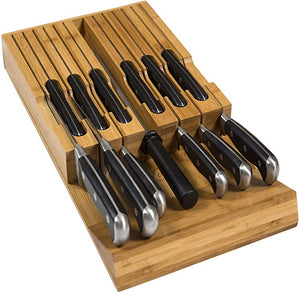
Proper storage also plays a role in maintaining your knives. Use a knife block, magnetic strip, or blade guards to prevent dulling and accidental damage.
Common Mistakes to Avoid When Sharpening European Knives
Even with the right tools, there are a few pitfalls to watch out for:
- Incorrect Angle: Sharpening at too steep or too shallow an angle can damage the edge or reduce its effectiveness.
- Skipping Honing: Neglecting to hone your knife means the edge will dull faster, requiring more frequent sharpening.
- Using the Wrong Tools: Not all sharpeners are suitable for European-style blades. Always check the angle and compatibility before use.
- Over-Sharpening: Excessive sharpening can wear down the blade prematurely.
By avoiding these mistakes, you’ll extend the life of your kitchen knives and enjoy safer, more efficient food preparation.
Comparing Sharpening Methods for Different Knife Types
While this article focuses on European kitchen knives, it’s helpful to compare techniques with other styles. For instance, knife sharpening for outdoor knives or knife sharpening for cleavers may require different angles or tools. Understanding these distinctions ensures you’re using the best approach for each blade in your collection.
Frequently Asked Questions
How often should I sharpen my European kitchen knives?
The frequency depends on usage, but for most home cooks, sharpening every 3–6 months is sufficient. Regular honing with a steel can extend the time between sharpenings.
Can I use a Japanese whetstone for European knives?
Yes, Japanese whetstones are suitable for European blades. Just be sure to maintain the correct angle (20–22 degrees) for best results.
What’s the difference between honing and sharpening?
Honing realigns the edge without removing metal, while sharpening grinds away material to create a new edge. Both are important for knife maintenance.
By following these practical steps and tips, you’ll keep your European kitchen knives sharp, safe, and ready for any culinary challenge. For more in-depth information on sharpening techniques, explore our related resources or consult expert guides from trusted brands.
This article contains affiliate links. We may earn a commission at no extra cost to you.