


 (858) 333-1035 Sales@knives.shop
 Keeping your kitchen blades in top condition is essential for efficient and safe food preparation. A sharp chef’s knife not only makes slicing and dicing easier, but also helps prevent accidents caused by slipping on tough ingredients. Whether you’re a home cook or a culinary professional, understanding how to sharpen chef knives properly will extend the life of your tools and improve your cooking experience.
This guide covers expert advice on maintaining a razor-sharp edge, choosing the right sharpening tools, and following the best techniques for optimal results. You’ll also find answers to common questions and practical tips for keeping your knives performing at their best.
If you’re interested in learning about specialized blade care, you might also want to read about knife sharpening for Gyuto knives for more detailed techniques tailored to specific knife types.
Why Sharp Chef Knives Matter
Using a dull knife can make food prep frustrating and even dangerous. A sharp blade glides through ingredients with less force, reducing the risk of slips and injuries. Additionally, a well-honed edge ensures clean cuts, preserving the texture and appearance of your food. Regular sharpening and honing are key to maintaining peak performance in your kitchen.
Essential Tools for Knife Sharpening
Before diving into the process, it’s important to gather the right equipment. Here are some of the most common tools used by professionals and home cooks alike:
- Whetstones (Sharpening Stones): Available in various grits, these stones allow for precise manual sharpening and are favored for their control and versatility.
- Honing Rods (Steel): Used to realign the edge between sharpening sessions, honing rods help maintain sharpness but do not remove metal or fix a truly dull blade.
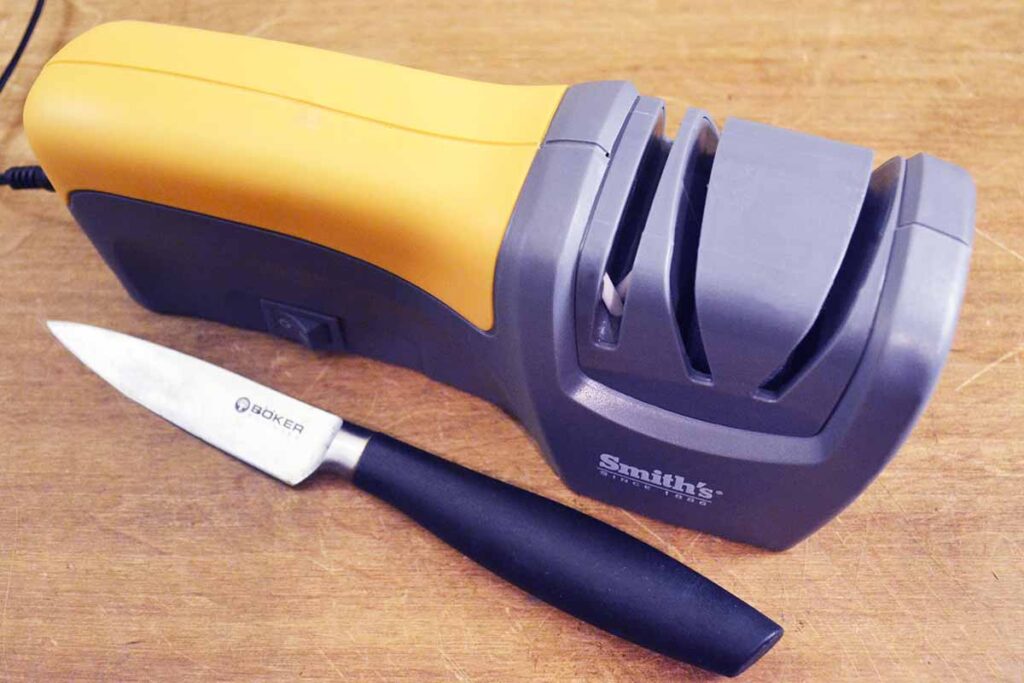
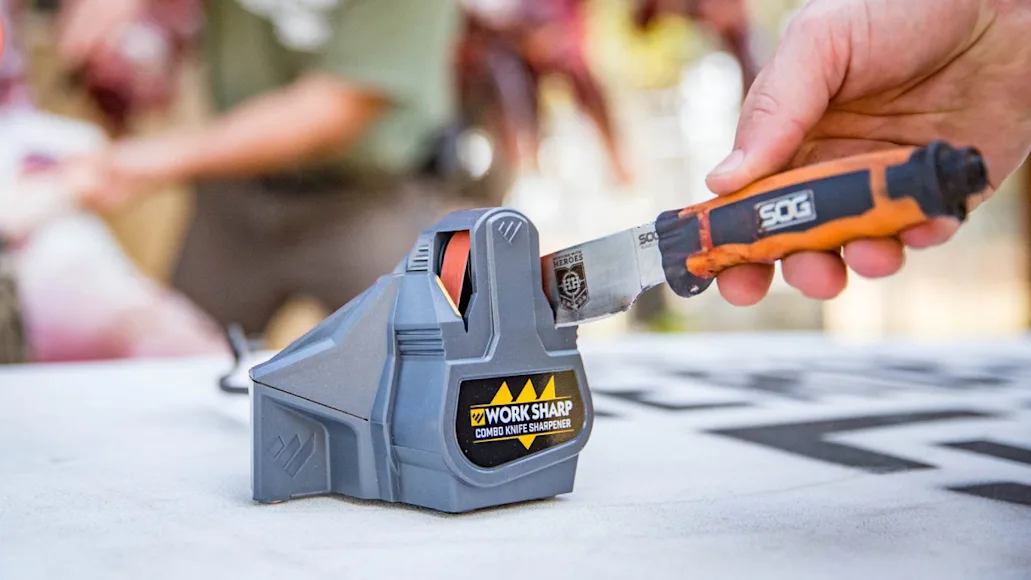
- Electric Knife Sharpeners: These devices offer speed and consistency, making them a popular choice for busy kitchens.
- Manual Pull-Through Sharpeners: Simple to use, these tools are suitable for quick touch-ups but may not provide the same level of precision as stones.

Step-by-Step Guide: Sharpening Chef Knives with a Whetstone
Many chefs prefer whetstones for their ability to create a fine, controlled edge. Here’s a straightforward method to sharpen your kitchen blades using this traditional tool:
- Soak the Stone: If using a water stone, soak it in water for 10–15 minutes. Oil stones require a light coating of honing oil instead.
- Set the Angle: Hold the knife at a consistent angle (typically 15–20 degrees for most chef knives). Maintaining the same angle throughout is crucial for a sharp, even edge.
- Sharpen One Side: Place the blade against the stone and draw it across the surface, moving from heel to tip. Repeat this motion 10–15 times, applying gentle, even pressure.
- Repeat on the Other Side: Flip the knife and sharpen the opposite edge using the same technique and number of strokes.
- Use Finer Grit: Progress to a finer grit stone to polish and refine the edge. Repeat the sharpening process on both sides.
- Rinse and Dry: Wipe the blade clean and dry it thoroughly to prevent rust.
For more details on sharpening techniques, you can explore this comprehensive guide to kitchen knife sharpening from OXO.
Using Electric and Manual Sharpeners
Electric sharpeners offer a quick and user-friendly way to restore a sharp edge. Simply insert the blade into the designated slot and pull it through according to the manufacturer’s instructions. These devices often have multiple stages for coarse and fine sharpening, making them suitable for both dull and slightly worn knives.
Manual pull-through sharpeners are compact and easy to use. They typically feature preset angles, which help maintain consistency. However, they may not be ideal for high-end or specialty knives, as they can remove more metal than necessary.
Maintaining the Edge: Honing and Storage
While sharpening removes metal to create a new edge, honing realigns the blade and keeps it sharp between sharpening sessions. Use a honing rod regularly—ideally before or after each use—to maintain optimal performance. To hone:
- Hold the rod vertically with the tip resting on a stable surface.
- Set the knife at the correct angle and draw the blade down the rod from heel to tip, alternating sides.
- Repeat 5–10 times per side.
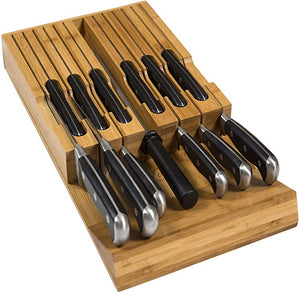
Proper storage also plays a role in edge retention. Store knives in a block, on a magnetic strip, or in a sheath to prevent contact with other utensils, which can dull the blade.
Common Mistakes to Avoid
- Incorrect Angle: Sharpening at the wrong angle can lead to a blunt or uneven edge. Consistency is key.
- Skipping Honing: Neglecting to hone your knife means you’ll need to sharpen more often, wearing down the blade faster.
- Using the Wrong Tool: Not all sharpeners are suitable for every knife. For example, Japanese knives often require a different approach than Western styles. For more on this, see our article about knife sharpening for outdoor knives.
- Applying Too Much Pressure: Excessive force can damage the blade and reduce control. Gentle, even strokes are most effective.
How Often Should You Sharpen Chef Knives?
The frequency depends on usage and the type of knife. For home cooks, sharpening every 2–3 months is usually sufficient, while professionals may need to sharpen weekly. Honing should be done much more frequently, ideally every time you use the knife. Regular maintenance ensures your blades stay in peak condition and reduces the effort required during sharpening sessions.
FAQ: Knife Sharpening and Maintenance
How do I know when my chef knife needs sharpening?
If your knife struggles to slice through tomatoes or slips off onions, it’s time to sharpen. You can also try the paper test: gently slice through a sheet of paper. If the blade snags or tears, it needs attention.
Can I use an electric sharpener on all types of chef knives?
Electric sharpeners are convenient, but not always suitable for every blade. High-end Japanese knives or blades with unique angles may require a whetstone or specialized sharpener. Always check the manufacturer’s recommendations before using an electric device.
What’s the difference between honing and sharpening?
Sharpening removes metal to create a new edge, while honing realigns the existing edge without removing material. Honing should be done regularly, while sharpening is needed less frequently.
Is it possible to over-sharpen a chef knife?
Yes, excessive sharpening can wear down the blade and shorten its lifespan. Sharpen only when necessary, and maintain the edge with regular honing.
Should I sharpen my knife myself or seek professional help?
With the right tools and technique, most home cooks can sharpen their own knives. However, if you have expensive or specialty blades, or if you’re unsure about the process, a professional sharpening service can ensure the best results.
Mastering the art of how to sharpen chef knives will not only improve your kitchen efficiency but also enhance your safety and enjoyment while cooking. With the right tools, regular maintenance, and attention to technique, your chef’s knife can remain a reliable companion for years to come.
This article contains affiliate links. We may earn a commission at no extra cost to you.