


 (858) 333-1035 Sales@knives.shop
 Keeping your knives sharp is crucial for both performance and safety in the kitchen or workshop. However, the process of sharpening blades brings its own set of risks. Understanding and applying the right knife sharpening safety tips can help prevent accidents and ensure your tools stay in top condition. This guide covers practical advice, from preparing your workspace to handling different sharpening tools, so you can maintain sharp edges with confidence and care.
Before diving into the details, it’s important to recognize that the type of sharpener you use—whether a whetstone, electric device, or manual system—can influence your approach to safety. If you’re interested in learning about the best sharpening stones, check out our guide on best whetstones for knives for more information.
Preparing Your Workspace for Safe Sharpening
Setting up a safe environment is the first step toward accident-free sharpening. Always choose a stable, well-lit surface where your tools won’t slip. Remove any clutter and keep your sharpening equipment within easy reach. If you’re using a whetstone, ensure it’s flat and secure—if you need advice on this, our article on how to flatten a whetstone provides step-by-step instructions.
- Clear the area of unnecessary items to avoid distractions.
- Use a non-slip mat or damp towel under stones or sharpeners to prevent movement.
- Keep a towel nearby to dry your hands and the knife handle, reducing the risk of slipping.
Personal Protective Measures
Protecting yourself is just as important as protecting your tools. Here are some essential precautions:
- Wear cut-resistant gloves when handling blades, especially if you’re new to sharpening.
- Keep your fingers away from the edge at all times, using a pinch grip on the spine or handle when possible.
- Never rush the process—take your time to avoid mistakes caused by haste.
Safe Handling Techniques for Sharpening Tools
Different sharpening methods require specific handling techniques. Whether you’re using a manual sharpener, electric device, or whetstone, following these guidelines will help keep you safe:
- Always move the blade away from your body during sharpening strokes.
- Maintain a consistent angle to prevent the knife from slipping off the stone or guide.
- Use gentle, controlled motions rather than applying excessive force.
- For electric sharpeners, read the manufacturer’s instructions carefully and never insert a wet or greasy blade.
If you’re interested in sharpening other tools, such as scissors, our resource on how to sharpen scissors offers helpful tips.

Choosing the Right Sharpening Tool for Safety
The tool you select can impact both the sharpness of your blade and your safety. Here’s a quick overview of common options:
| Sharpening Tool | Safety Considerations |
|---|---|
| Whetstone | Requires stable placement and attention to angle; keep fingers clear of the edge. |
| Manual Pull-Through Sharpener | Hold securely on a flat surface; avoid over-pressing the blade. |
| Electric Sharpener | Follow instructions closely; never insert wet blades; unplug when not in use. |
| Sharpening Rod | Keep rod tip anchored on a surface; move blade slowly and steadily. |
For more on selecting and using sharpening stones, see our guide to the best whetstones for knives.
Proper Knife Maintenance After Sharpening
Once your blade is sharp, a few simple steps can help maintain its condition and keep you safe:
- Wipe the blade carefully to remove any metal filings or residue.
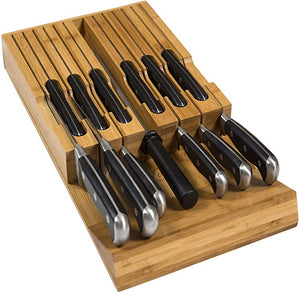
- Store knives in a block, sheath, or on a magnetic strip—never loose in a drawer.
- Regularly inspect your knives for chips or cracks that could cause accidents.
Proper care extends the life of your blades and reduces the need for frequent sharpening, minimizing exposure to potential hazards.

Common Mistakes to Avoid When Sharpening Knives
Even experienced users can make errors that compromise safety. Here are some pitfalls to watch out for:
- Using too much force, which can cause the blade to slip or chip.
- Failing to secure the sharpener or stone, leading to unstable movements.
- Sharpening with wet or greasy hands, increasing the risk of losing grip.
- Neglecting to check the blade’s condition before and after sharpening.
By staying mindful of these issues, you can sharpen more safely and effectively.
Sharpening Specialty Blades Safely
Not all knives are created equal. Specialty blades, such as serrated or ceramic knives, require unique approaches:
- For serrated knives, use a rod or specialized tool designed for the serrations. Our article on how to sharpen serrated bread knives explains the process in detail.
- Ceramic blades are brittle and need extra care. Learn more in our guide to how to sharpen ceramic knives.
Always follow manufacturer recommendations for specialty blades to avoid damaging the knife or injuring yourself.
Where to Learn More About Safe Knife Sharpening
If you want to deepen your knowledge, there are excellent resources available. For a comprehensive overview of sharpening techniques and safety, visit this step-by-step guide to sharpening kitchen knives. Staying informed is one of the best ways to keep your sharpening sessions both effective and safe.
FAQ
How often should I sharpen my kitchen knives?
The frequency depends on how often you use your knives and the type of food you prepare. For most home cooks, sharpening every few months is sufficient, while professionals may need to sharpen weekly. Regular honing can help maintain the edge between sharpenings.
Is it safer to use a dull knife or a sharp knife?
A sharp knife is generally safer than a dull one. Dull blades require more force and are more likely to slip, increasing the risk of injury. Keeping your knives sharp with proper safety practices reduces accidents.
What should I do if I cut myself while sharpening?
If you sustain a minor cut, clean the wound thoroughly, apply pressure to stop bleeding, and use a bandage. For deeper cuts, seek medical attention promptly. Always keep a first aid kit nearby when working with sharp tools.