


 (858) 333-1035 Sales@knives.shop
 Keeping your kitchen knives sharp is essential for safety, efficiency, and precision. However, many home cooks and even some professionals unknowingly make errors during the sharpening process that can damage blades or reduce their lifespan. Understanding the most frequent knife sharpening mistakes to avoid can help you maintain your knives in top condition and get the best performance from your tools.
Whether you use a whetstone, an electric sharpener, or a honing rod, the right technique and attention to detail are crucial. This article highlights the most common pitfalls, explains why they matter, and provides practical tips to help you sharpen your knives correctly every time.
For those interested in learning about related sharpening topics, you may also want to read about how to avoid over-sharpening to further protect your blades.
Why Proper Sharpening Technique Matters
Sharpening is more than just restoring a blade’s edge. Done incorrectly, it can lead to permanent damage, uneven wear, or even make your knives dangerous to use. By recognizing the most frequent errors, you can avoid unnecessary frustration and extend the life of your cutlery.
Overlooking the Correct Sharpening Angle
One of the most widespread knife sharpening mistakes to avoid is using the wrong angle. Each knife is designed with a specific edge angle, typically between 15 and 20 degrees for kitchen knives. Sharpening at an incorrect angle can:
- Make the edge too blunt or too fragile
- Cause uneven sharpening and reduce cutting efficiency
- Accelerate wear and require more frequent sharpening
To maintain the intended sharpness and durability, always check the manufacturer’s recommendations or use angle guides if you’re unsure. Consistency is key—switching angles mid-process can lead to a misshapen edge.
Using the Wrong Sharpening Tools
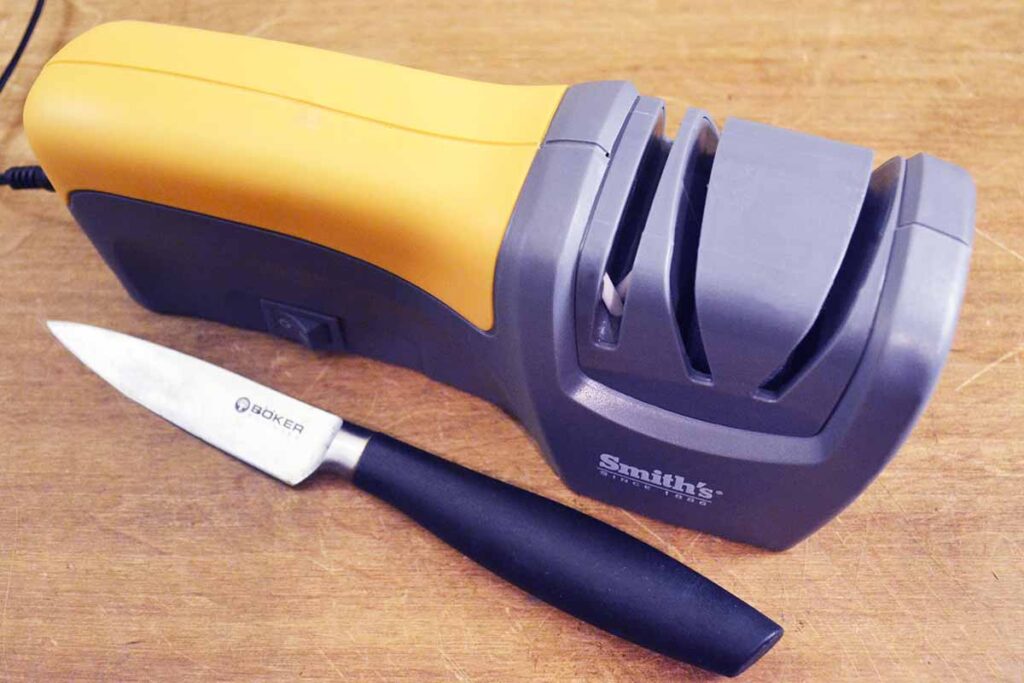
Not all sharpening devices are created equal. Using a tool that’s not suited for your knife type or skill level can do more harm than good. For example, some electric sharpeners may remove too much metal, while certain pull-through sharpeners can create uneven edges.
If you’re new to sharpening, consider starting with a quality whetstone or a guided system. For more information on choosing the right sharpening stone, check out the best whetstones for knives guide.

Neglecting to Flatten Your Whetstone
Over time, whetstones develop grooves and uneven surfaces from repeated use. Sharpening on a warped stone can result in an inconsistent edge and excessive wear on certain parts of your knife. To prevent this, regularly flatten your whetstone. Learn more about how to flatten a whetstone properly to ensure a smooth, even sharpening surface every time.
Applying Too Much or Too Little Pressure
Another frequent error is using the wrong amount of force. Pressing too hard can remove excessive metal, damage the edge, or even break delicate tips. On the other hand, too little pressure may not sharpen the blade effectively, resulting in a dull edge even after several passes.
For best results, use gentle, controlled strokes. Let the abrasive surface do the work, and focus on maintaining a steady angle and consistent motion.
Failing to Use the Full Length of the Stone
Many people tend to sharpen only the middle portion of the blade, neglecting the tip and heel. This leads to uneven wear and a blade that doesn’t cut smoothly. Always move the entire edge across the sharpening surface, from heel to tip, to ensure uniform sharpness.
Skipping the Burr Removal Step
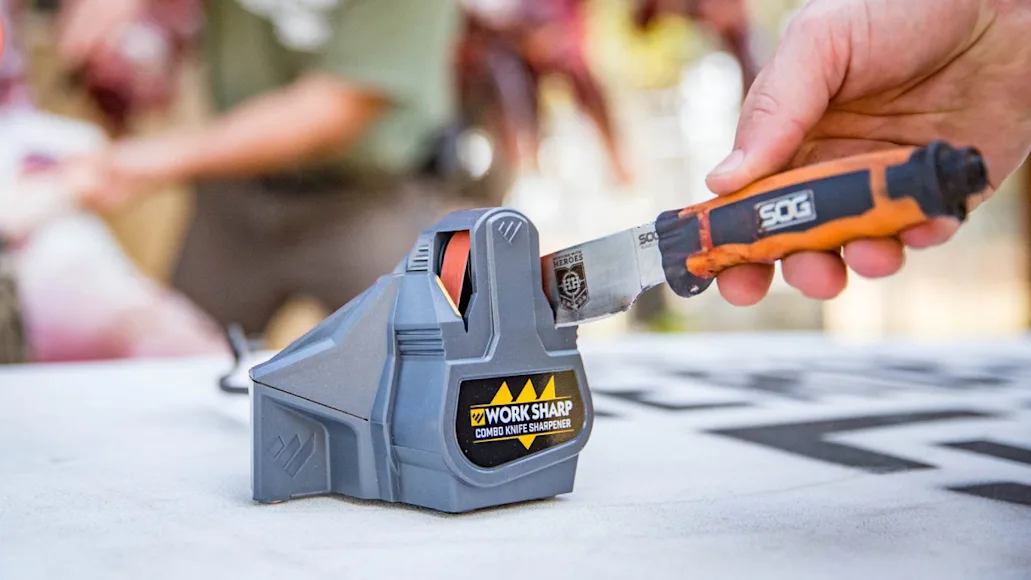
After sharpening one side of the blade, a small metal burr often forms on the opposite side. Failing to remove this burr can leave your knife feeling dull or rough. Always finish by gently honing the edge or using a finer grit to polish away any remaining burrs. This step is essential for achieving a truly sharp and smooth edge.
Sharpening Too Frequently or Not Enough
Both over-sharpening and neglecting to sharpen can harm your knives. Excessive sharpening wears down the blade unnecessarily, shortening its lifespan. On the other hand, waiting too long can make the process more difficult and less effective. To find the right balance, sharpen when you notice a decrease in cutting performance, and maintain the edge with regular honing.
If you want more details on this topic, see our guide on how to avoid over-sharpening.
Using the Wrong Technique for Serrated or Specialty Blades
Standard sharpening methods don’t work for every knife. Serrated blades, for example, require a different approach to maintain their unique edge. Using a regular stone or pull-through sharpener can ruin the serrations. For these knives, use a tapered rod or specialized tool. Learn more about how to sharpen serrated bread knives for best results.
Ignoring Maintenance and Cleaning After Sharpening
Once sharpening is complete, it’s important to clean your knife thoroughly. Metal filings and abrasive particles can remain on the blade, posing a risk to food safety and dulling the edge. Rinse and dry your knife carefully after each session, and store it properly to protect the new edge.
Relying Solely on Pull-Through Sharpeners
While pull-through sharpeners are convenient, they often remove more metal than necessary and can create a wire edge that dulls quickly. For long-term care, combine these tools with manual sharpening methods like whetstones or guided systems. This approach helps maintain the blade’s geometry and ensures a sharper, longer-lasting edge.
Additional Resources for Sharpening Success
For a comprehensive overview of kitchen knife care, including step-by-step sharpening instructions, see this detailed guide on sharpening kitchen knives. Investing time in learning proper techniques pays off with safer, more enjoyable cooking experiences.
Frequently Asked Questions
How often should I sharpen my kitchen knives?
The frequency depends on how often you use your knives and the type of cutting tasks. For most home cooks, sharpening every few months is sufficient, with regular honing in between to maintain the edge. If you notice your knife struggling to cut through tomatoes or onions, it’s time to sharpen.
Can I use the same sharpening technique for all knives?
No, different knives require different approaches. For example, serrated blades and scissors need specialized tools and methods. Always check the manufacturer’s recommendations and use the right technique for each blade. For more information on sharpening scissors, review our article on how to sharpen scissors.
What’s the best way to test if my knife is sharp?
One common method is the paper test: carefully slice through a sheet of paper. A sharp knife should glide through with little resistance. You can also try slicing a tomato or onion—if the blade cuts cleanly without squashing the produce, it’s sharp enough for kitchen use.
Conclusion
Avoiding the most common knife sharpening mistakes to avoid will help you protect your investment and enjoy safer, more efficient food preparation. By focusing on proper technique, using the right tools, and maintaining your blades, you’ll keep your knives performing at their best for years to come.
This article contains affiliate links. We may earn a commission at no extra cost to you.