


 (858) 333-1035 Sales@knives.shop
 Keeping your kitchen and utility knives sharp is essential for safe, efficient, and enjoyable food preparation. Yet, many people are unsure how often their knives actually need sharpening. This knife sharpening frequency guide will help you determine the best schedule for maintaining your blades, whether you’re a home cook, outdoor enthusiast, or professional chef. Understanding the right timing and methods can extend the life of your knives and improve your overall experience in the kitchen.
Factors like knife type, frequency of use, and the materials you cut all influence how often you should sharpen your blades. In this article, we’ll break down these variables, offer practical tips, and share expert advice for keeping your knives in optimal condition. If you’re interested in specific techniques, you might also want to read about how to sharpen utility knives for more detailed instructions.
Why Sharpening Frequency Matters
Regular knife maintenance is about more than just keeping a keen edge. A sharp blade is safer to use, as it requires less force and is less likely to slip. Dull knives can crush or tear food, leading to uneven cuts and frustration. Over time, neglecting sharpening can also cause permanent damage to the blade, making it harder to restore later.
By following a consistent schedule, you’ll ensure your knives perform at their best and last longer. This knife sharpening frequency guide aims to help you find the right balance between over-sharpening and letting your blades get too dull.
Key Factors Influencing How Often to Sharpen Knives
There’s no universal answer for how often to sharpen a knife, but several factors play a role:
- Type of Knife: Chef’s knives, utility knives, and fillet knives all have different uses and edge retention. For example, chef’s knives used daily will need more frequent attention than a fillet knife used occasionally.
- Blade Material: High-carbon steel tends to hold an edge longer than softer stainless steel, but it may also require more careful maintenance.
- Usage Frequency: The more you use a knife, the faster it will dull. Home cooks who prepare meals daily will need to sharpen more often than occasional users.
- Cutting Surface: Cutting on hard surfaces like glass or ceramic will dull blades faster than using a wooden or plastic cutting board.
- Maintenance Habits: Regular honing with a steel can extend the time between full sharpening sessions.
For more on maintaining specific knives, check out our guide on how to sharpen chef’s knives at home.
Recommended Sharpening Schedules by Knife Type
Below are general guidelines for how often different types of knives should be sharpened. Adjust these recommendations based on your own usage and preferences:
| Knife Type | Typical Use | Sharpening Frequency |
|---|---|---|
| Chef’s Knife | Daily food prep | Every 1–2 months |
| Utility Knife | General tasks | Every 2–3 months |
| Fillet Knife | Fish/meat prep | Every 3–6 months |
| Paring Knife | Peeling, small cuts | Every 2–4 months |
| Serrated Knife | Bread, tomatoes | Once or twice a year |
Remember, these are starting points. You may need to adjust based on your own experience and the feel of your knives.

How to Tell If Your Knife Needs Sharpening
Even with a set schedule, it’s important to recognize when your knife is getting dull. Here are some signs to look for:
- The blade slips off food instead of biting in.
- It crushes or tears tomatoes and other soft produce.
- It takes more effort to cut through meat or vegetables.
- You notice more frequent accidents or slips.
- The blade fails the paper test (slicing cleanly through a sheet of paper).
If you notice any of these issues, it’s time to sharpen, even if you haven’t reached your usual interval.
Sharpening Methods and Their Impact on Frequency
The technique you use to sharpen your knives can affect how often you need to repeat the process. Here’s a quick overview:
- Whetstones: Offer precise control and are gentle on the blade, but require some skill.
- Electric Sharpeners: Fast and convenient, but may remove more material, potentially shortening blade life if overused.
- Pull-Through Sharpeners: Simple to use, but can be harsh on high-quality knives.
- Professional Sharpening: Recommended for expensive or specialty knives, typically needed less often.
For a step-by-step approach to using a ceramic stone, see our article on how to sharpen knives with a ceramic stone.
Regular honing with a steel between sharpening sessions helps maintain the edge and reduce the need for frequent sharpening.

Tips for Maintaining Sharpness Between Sharpenings
To get the most from your knives and extend the time between sharpening sessions, follow these tips:
- Use a honing steel regularly to realign the edge.
- Always cut on wood or plastic boards, not hard surfaces.
- Hand wash and dry knives promptly—avoid dishwashers.
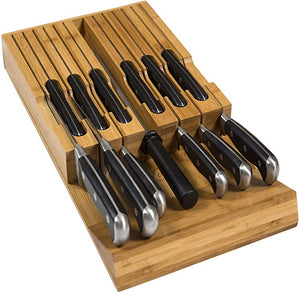
- Store knives in a block, sheath, or on a magnetic strip to prevent dulling.
- Use the right knife for each task to avoid unnecessary wear.
For more on advanced maintenance, you might find our guide on how to sharpen knives with a leather strop useful.
Expert Advice and Additional Resources
If you’re unsure about sharpening techniques or want to learn more about the process, consult reputable sources. For example, the Victorinox guide to sharpening kitchen knives offers clear, step-by-step instructions and tips for different blade types.
Don’t hesitate to seek professional sharpening services for high-end or specialty knives, especially if you’re new to sharpening or want to preserve your investment.
Frequently Asked Questions
How do I know if my knife needs sharpening or just honing?
Honing realigns the edge but doesn’t remove material. If your knife feels dull after honing, or if it struggles to cut paper or tomatoes cleanly, it’s time for sharpening.
Can I sharpen serrated knives as often as straight-edge knives?
Serrated blades require less frequent sharpening—typically once or twice a year. Use a specialized tool or seek professional help to avoid damaging the serrations.
Is it possible to over-sharpen a knife?
Yes. Over-sharpening removes excessive metal, reducing blade life. Stick to the recommended intervals and sharpen only when necessary.
What’s the difference between honing and sharpening?
Honing maintains the edge alignment, while sharpening grinds away metal to create a new edge. Regular honing can extend the time between sharpening sessions.
Conclusion
Establishing the right schedule for sharpening your knives ensures safety, efficiency, and longevity. By considering the type of knife, how often you use it, and your preferred sharpening method, you can keep your blades in top condition. Use this knife sharpening frequency guide as a starting point, and adjust as needed based on your own experience. With the right care, your knives will serve you well for years to come.
This article contains affiliate links. We may earn a commission at no extra cost to you.