


 (858) 333-1035 Sales@knives.shop
 Keeping a skinning knife sharp is essential for anyone involved in processing game, working in butchery, or handling animal hides. A well-honed blade not only makes the job easier and faster but also ensures cleaner cuts and greater safety. This guide covers the essentials of knife sharpening for skinners, including the best techniques, tools, and maintenance tips to help you achieve a razor-sharp edge every time.
Unlike general-purpose kitchen knives, skinning blades have unique profiles and are often subjected to tough, repetitive use. Proper sharpening not only extends the life of your knife but also improves efficiency and precision. If you're interested in sharpening other specialty knives, you might also find value in learning about knife sharpening for Gyuto knives, which shares some overlapping principles.
Understanding the Unique Needs of Skinning Knives
Skinning knives are designed with a curved blade and a fine, thin edge to allow for precise, controlled cuts. The tasks they perform—removing hides, trimming fat, and working close to bone—demand a blade that is both sharp and resilient. Dull knives can tear hides, increase the risk of injury, and make the process frustratingly slow.
Given these demands, sharpening techniques for skinning knives must focus on maintaining a keen edge without removing too much material or altering the blade's geometry. Regular maintenance is crucial, especially if the knife is used frequently or on tough hides.
Choosing the Right Sharpening Tools
There are several tools suitable for keeping a skinning blade in top condition. The best choice depends on your experience, budget, and the specific knife you use. Here are the most common options:
- Whetstones: Offer the most control and can produce a razor-sharp edge. Use a coarse grit to repair damage and a fine grit for honing.
- Sharpening rods (honing steels): Good for quick touch-ups and maintaining an already sharp edge between uses.
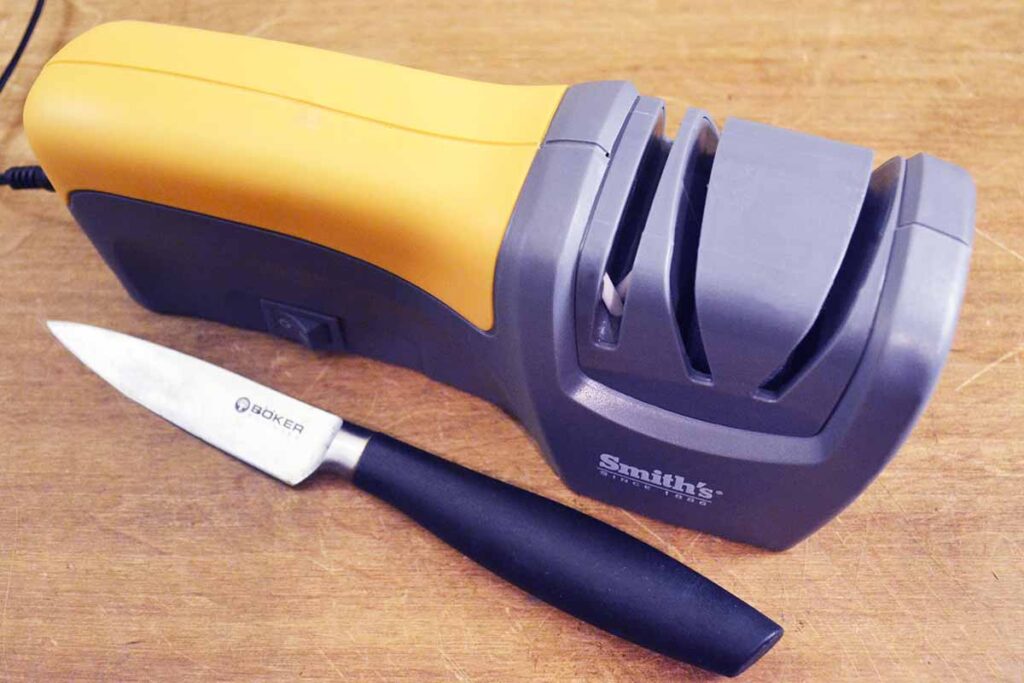
- Electric sharpeners: Provide speed and consistency, making them popular for those who process large quantities of game or meat.
- Pull-through sharpeners: Convenient for field use but may not deliver the same precision as stones or electric models.
Step-by-Step Process for Sharpening Skinning Blades
For best results, follow these steps when sharpening your skinning knife:
- Clean the Blade: Remove any debris or fat before sharpening. A clean blade prevents grit from scratching the metal.
- Choose the Angle: Most skinning knives are sharpened at a 20–25 degree angle. Maintaining a consistent angle is key for a sharp, durable edge.
- Start with Coarse Grit: If the blade is dull or damaged, begin with a coarse whetstone or the coarse setting on your sharpener. Draw the blade across the stone, matching the original bevel.
- Progress to Fine Grit: Switch to a finer stone or setting to refine the edge. Repeat the same number of strokes on each side to keep the edge symmetrical.
- Hone the Edge: Use a honing rod to align the microscopic teeth of the blade, ensuring a smooth, razor-sharp finish.
- Test the Sharpness: Carefully check the edge by slicing through paper or shaving a small patch of hair on your arm. The knife should cut cleanly with minimal effort.
For a more detailed breakdown of sharpening methods, you can refer to this comprehensive guide on sharpening kitchen knives, which covers foundational skills applicable to skinning blades as well.
Maintaining Your Edge in the Field
When working outdoors or in a busy processing environment, it’s not always possible to use a full sharpening setup. Here are some practical tips for keeping your blade sharp on the go:
- Carry a compact sharpening rod or pull-through sharpener for quick touch-ups.
- Wipe the blade frequently to remove fat and residue, which can dull the edge.
- Store your knife in a sheath or case to protect the edge from nicks and chips.
- Inspect the blade regularly and address any dullness before it becomes a problem.
If you work with other specialty knives, such as filleting or pastry blades, you may want to explore techniques for knife sharpening for filleting knives or knife sharpening for pastry knives for more tailored advice.
Common Mistakes to Avoid When Sharpening Skinning Knives
Even experienced users can make errors that reduce the effectiveness of their sharpening efforts. Here are some pitfalls to watch out for:
- Using the wrong angle: Sharpening at too steep or shallow an angle can weaken the edge or make it too blunt for fine work.
- Applying uneven pressure: Inconsistent pressure leads to an uneven edge, making the knife less effective and harder to control.
- Neglecting to clean the blade: Dirt and residue can scratch the blade and interfere with sharpening.
- Skipping the honing step: Honing realigns the edge and is essential for maintaining sharpness between full sharpenings.
- Over-sharpening: Removing too much metal shortens the lifespan of your knife and can alter its intended shape.
By avoiding these mistakes, you’ll ensure your skinning knife remains a reliable tool for every job.
Sharpening Frequency and Maintenance Tips
The frequency of sharpening depends on how often you use your knife and the type of material you’re cutting. As a general rule:
- Touch up the edge with a honing rod after every use.
- Perform a full sharpening with a stone or electric sharpener every few weeks or after processing several animals.
- Inspect the blade for chips or nicks and address them promptly to prevent further damage.
Proper storage and regular cleaning will also help maintain the edge and prevent corrosion. If you’re interested in techniques for other specialized blades, check out advice on knife sharpening for peeling knives or knife sharpening for cheese knives.
FAQ
What is the ideal angle for sharpening a skinning knife?
Most skinning knives perform best when sharpened at a 20–25 degree angle. This range provides a balance between sharpness and durability, allowing for precise cuts without sacrificing edge retention.
How can I tell if my skinning knife is sharp enough?
A properly sharpened skinning knife should slice cleanly through paper or shave hair with minimal effort. If the blade struggles with these tasks or feels like it’s tearing rather than cutting, it’s time to sharpen.
Can I use an electric sharpener on all skinning knives?
Electric sharpeners are suitable for most modern skinning knives, especially those made from stainless steel. However, for custom or high-carbon blades, manual sharpening with stones may offer better control and preserve the blade’s unique geometry.
How often should I sharpen my skinning knife?
Frequency depends on usage, but regular honing after each use and full sharpening every few weeks is a good rule of thumb for most users.
What’s the difference between honing and sharpening?
Honing realigns the edge of the blade without removing metal, while sharpening grinds away material to create a new edge. Both are important for maintaining optimal performance.
This article contains affiliate links. We may earn a commission at no extra cost to you.