


 (858) 333-1035 Sales@knives.shop
 High-carbon steel knives are prized by chefs and home cooks alike for their exceptional sharpness, edge retention, and ease of honing. However, these blades also require special care and technique when it comes to sharpening. Understanding the right approach to knife sharpening for high-carbon knives ensures your blades stay razor-sharp, safe, and long-lasting.
In this article, you'll discover the unique properties of high-carbon steel, the best sharpening methods, and practical tips for maintaining your knives. Whether you're an experienced cook or just starting out, mastering these techniques will help you get the most from your kitchen tools. For those interested in other specialty blades, you might also find our guide on knife sharpening for filleting knives helpful.
Understanding High-Carbon Steel Blades
High-carbon knives differ from their stainless steel counterparts in several key ways. The higher carbon content gives these blades superior hardness, which translates to a sharper edge and better edge retention. However, this also means they are more prone to rust and require careful maintenance.
- Sharpness: High-carbon steel can be honed to a finer edge, making it ideal for precision tasks.
- Edge Retention: These knives hold their sharpness longer but can chip if mishandled.
- Maintenance: Regular cleaning, drying, and oiling are essential to prevent corrosion.
Because of these characteristics, the process of sharpening high-carbon knives must be approached with the right tools and techniques to avoid damaging the blade.
Choosing the Right Sharpening Tools
Not all sharpening devices are suitable for high-carbon steel. The best results come from using tools that offer control and precision. Here are some popular options:
- Whetstones: Also known as sharpening stones, these are the gold standard for maintaining high-carbon blades. They come in various grits, from coarse (for repairing chips) to fine (for polishing the edge).
- Manual Sharpeners: Pull-through sharpeners can be convenient, but not all are gentle enough for high-carbon steel. Choose models with adjustable angles and ceramic or diamond abrasives.
- Electric Sharpeners: Some high-quality electric sharpeners are safe for high-carbon knives, but always check the manufacturer's recommendations. For a reliable option, consider an electric knife sharpener designed for premium blades.
Avoid using steel rods or aggressive sharpeners that can remove too much metal or create uneven edges.

Step-by-Step Guide to Sharpening High-Carbon Knives
Proper technique is crucial for maintaining the integrity of your blade. Follow these steps for effective sharpening:
- Soak the Whetstone: If using a water stone, soak it for 10–15 minutes before use. Oil stones require a light coating of honing oil.
- Set the Angle: Most high-carbon kitchen knives are sharpened at a 15–20 degree angle. Maintaining a consistent angle is key for a sharp, durable edge.
- Sharpen the Edge: Starting with the coarse side, draw the blade across the stone in smooth, even strokes, from heel to tip. Repeat on both sides, counting strokes for balance.
- Refine with Finer Grit: Switch to a finer grit stone to polish the edge and remove any burrs.
- Clean and Dry: After sharpening, rinse and thoroughly dry the blade to prevent rust.
For a detailed walkthrough, you can refer to this comprehensive guide on sharpening kitchen knives.
Common Mistakes to Avoid
Sharpening high-carbon blades is straightforward with practice, but there are a few pitfalls to watch out for:
- Using the Wrong Angle: An inconsistent or incorrect angle can dull the edge or damage the blade.
- Skipping Grits: Moving from coarse to fine too quickly can leave the edge rough or unfinished.
- Neglecting Maintenance: Failing to clean and dry the knife after sharpening can lead to rust, especially with high-carbon steel.
- Over-sharpening: Excessive sharpening removes unnecessary metal and shortens the knife's lifespan.
By avoiding these mistakes, you’ll keep your high-carbon knives in top condition for years to come.

Maintaining Your High-Carbon Edge
Sharpening is only part of the care routine for high-carbon steel. To keep your knives performing at their best:
- Hone Regularly: Use a ceramic honing rod to realign the edge between sharpenings.
- Clean Immediately: Wash and dry your knife after each use to prevent staining and corrosion.
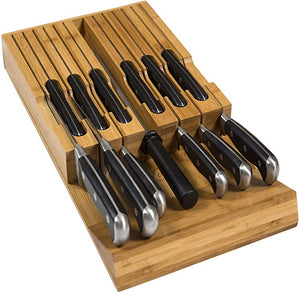
- Store Properly: Use a knife block, magnetic strip, or blade guard to protect the edge.
- Oil Occasionally: Apply a light coat of food-safe mineral oil to the blade, especially if you live in a humid climate.
Regular maintenance reduces the need for frequent sharpening and extends the life of your blade.
Comparing High-Carbon and Stainless Steel Sharpening
While both types of knives benefit from regular sharpening, there are some important differences:
| Feature | High-Carbon Steel | Stainless Steel |
|---|---|---|
| Edge Sharpness | Sharper, finer edge | Good, but less fine |
| Edge Retention | Longer, but more brittle | Shorter, more forgiving |
| Sharpening Frequency | Less frequent, but more precise | More frequent, easier to maintain |
| Rust Resistance | Low – needs care | High – less maintenance |
Understanding these differences helps you choose the right care routine for your specific knives. For other specialty blades, see our resources on knife sharpening for pastry knives or knife sharpening for cheese knives.
Frequently Asked Questions
How often should I sharpen my high-carbon knives?
With regular honing and proper care, high-carbon knives typically need sharpening every few months, depending on use. If you notice the blade dragging or crushing food, it's time to sharpen.
Can I use an electric sharpener on high-carbon steel?
Some electric sharpeners are suitable for high-carbon blades, but always check the manufacturer's guidelines. Choose models with adjustable angles and gentle abrasives to avoid damaging the edge.
What is the best angle for sharpening high-carbon knives?
Most high-carbon kitchen knives perform best when sharpened at a 15–20 degree angle. Maintaining a consistent angle is crucial for a sharp, durable edge.
How can I prevent rust on my high-carbon knives?
Always wash and dry your knife immediately after use, and apply a thin layer of food-safe mineral oil for extra protection, especially in humid environments.
Where can I learn more about sharpening specialty knives?
For additional tips, explore our guides on knife sharpening for peeling knives and knife sharpening for boning knives.