


 (858) 333-1035 Sales@knives.shop
 Cleavers are essential tools in both home and professional kitchens, known for their ability to chop through tough ingredients and handle a variety of cutting tasks. However, even the best cleaver loses its edge over time, making regular maintenance crucial. Proper knife sharpening for cleavers not only ensures efficient cutting but also extends the lifespan of your blade and improves safety in the kitchen.
This guide covers the unique sharpening needs of cleavers, recommended techniques, and practical tips to keep your blade performing at its best. Whether you use a traditional Chinese cleaver or a Western-style butcher's blade, understanding the right approach to sharpening will help you achieve a razor-sharp edge every time.
For those interested in learning about sharpening other specialized knives, you might find the article on knife sharpening for Gyuto knives helpful as well.
Why Cleavers Need Specialized Sharpening
Unlike chef’s knives or paring knives, cleavers are designed for heavy-duty tasks such as splitting bones, chopping through thick vegetables, and mincing meat. This means they often have a thicker, heavier blade and a different edge geometry. The sharpening process for cleavers must account for these unique characteristics to maintain both durability and cutting performance.
- Blade Thickness: Cleavers usually have a thicker spine, which requires a slightly different sharpening angle compared to thinner knives.
- Edge Angle: Most cleavers are sharpened to a 20–25 degree angle per side, balancing sharpness with edge retention.
- Intended Use: Vegetable cleavers (Chinese style) may benefit from a finer edge, while meat cleavers need a more robust, durable bevel.
Essential Tools for Sharpening Cleavers
To achieve the best results when maintaining your cleaver, it’s important to use the right tools. Here are the most common options for knife sharpening for cleavers:
- Whetstones: Offer precise control and are suitable for both coarse grinding and fine honing. Choose stones with grits ranging from 400 (coarse) to 8000 (polishing).
- Electric Sharpeners: These devices provide convenience and consistent angles, making them a good choice for busy kitchens. If you’re considering an electric option, look for sharpeners specifically rated for thicker blades.
- Sharpening Steels: While not ideal for creating a new edge, honing rods are useful for maintaining sharpness between full sharpening sessions.
- Manual Pull-Through Sharpeners: Simple to use but may not be suitable for all cleaver types, especially those with very thick or wide blades.

Step-by-Step Sharpening Process
Sharpening a cleaver requires patience and the correct technique. Here’s a practical approach using a whetstone, which is widely considered the most effective method for most cleavers:
- Soak the Stone: If using a water stone, soak it for 10–15 minutes before starting.
- Set the Angle: Hold the cleaver at a 20–25 degree angle to the stone. Maintaining a consistent angle is key for a sharp, durable edge.
- Sharpen Each Side: Using moderate pressure, slide the blade across the stone in a sweeping motion, covering the entire edge from heel to tip. Repeat 10–15 times per side, or until you feel a burr forming on the opposite edge.
- Refine with Finer Grit: Move to a higher-grit stone (1000–3000) to refine the edge. Use the same angle and motion, but with lighter pressure.
- Polish and Deburr: For a razor-sharp finish, use a polishing stone (6000–8000 grit) and gently remove any burrs by alternating sides with light strokes.
- Clean and Test: Wipe the blade clean and test sharpness by slicing through a sheet of paper or a tomato. The edge should cut smoothly without tearing.
For a detailed breakdown of sharpening techniques, including tips for maintaining the correct angle, see this comprehensive guide to knife sharpening.
Common Mistakes to Avoid
Sharpening a cleaver is straightforward, but there are a few pitfalls to watch out for:
- Using the Wrong Angle: Too steep or too shallow an angle can result in a weak edge or excessive wear.
- Skipping Grits: Jumping from a coarse to a very fine stone without intermediate steps can leave the edge uneven.
- Applying Uneven Pressure: Inconsistent pressure leads to an irregular edge and reduces cutting performance.
- Neglecting Burr Removal: Failing to remove the burr can make the blade feel dull even after sharpening.

Maintaining Your Cleaver’s Edge
Regular maintenance is just as important as sharpening itself. Here are some tips to keep your cleaver in top condition:
- Hone Frequently: Use a honing rod to realign the edge after each use, especially if you use your cleaver daily.
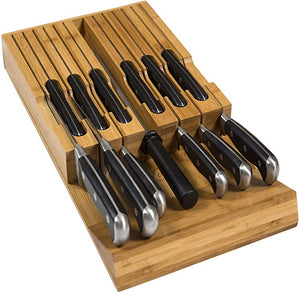
- Store Properly: Keep your cleaver in a knife block, sheath, or on a magnetic strip to protect the edge from nicks and dulling.
- Hand Wash Only: Avoid dishwashers, as harsh detergents and high heat can damage the blade and handle.
- Sharpen as Needed: Depending on use, sharpen your cleaver every few months or whenever you notice a drop in performance.
If you’re interested in learning about maintaining other specialty knives, check out the article on knife sharpening for filleting knives for more tips.
Choosing Between Manual and Electric Sharpeners
Both manual and electric sharpeners have their advantages when it comes to cleaver maintenance:
- Manual Sharpeners: Offer greater control and are ideal for those who want to fine-tune the edge. Whetstones, in particular, are favored by professionals for their versatility.
- Electric Sharpeners: Provide speed and consistency, making them suitable for busy kitchens or users who prefer convenience. Just ensure the model you choose can accommodate the width and thickness of a cleaver blade.
For those looking to invest in an electric option, be sure to select a sharpener that is compatible with heavy-duty blades for the best results.
Frequently Asked Questions
How often should I sharpen my cleaver?
The frequency depends on how often you use your cleaver and what you cut. For regular home use, sharpening every 2–3 months is usually sufficient. If you use your cleaver daily or for heavy-duty tasks, you may need to sharpen it more frequently. Regular honing can help maintain the edge between sharpening sessions.
Can I use the same sharpener for my cleaver and other kitchen knives?
Some sharpeners are versatile enough to handle various blade types, but it’s important to check if your sharpener can accommodate the thickness and width of a cleaver. Whetstones are generally suitable for all knives, while some electric and manual sharpeners may have slots specifically designed for larger blades.
What’s the best angle for sharpening a cleaver?
Most cleavers perform best when sharpened at a 20–25 degree angle per side. Vegetable cleavers may benefit from a slightly finer angle, while meat cleavers require a more robust edge. Always follow the manufacturer’s recommendations if available.
Is it safe to sharpen a cleaver at home?
Yes, sharpening a cleaver at home is safe as long as you use proper technique and take precautions. Use a stable surface, keep your fingers away from the edge, and work slowly to maintain control. If you’re new to sharpening, consider starting with a less expensive knife to practice your technique.
Proper knife sharpening for cleavers ensures your blade remains a reliable tool in the kitchen. With the right tools, technique, and regular maintenance, you can keep your cleaver performing at its best for years to come.
This article contains affiliate links. We may earn a commission at no extra cost to you.