


 (858) 333-1035 Sales@knives.shop
 Maintaining a keen edge on your kitchen or outdoor knives is essential for both safety and performance. Among the various methods available, how to sharpen knives using water stones stands out for its precision and control. Water stones, also known as whetstones, allow you to restore a razor-sharp edge to your blades with careful technique and a bit of practice. This article covers the fundamentals, step-by-step instructions, and expert tips to help you achieve professional results at home.
Before diving into the sharpening process, it’s important to understand why water stones are favored by chefs and knife enthusiasts. Unlike pull-through sharpeners or electric devices, water stones offer a high degree of customization for different blade types and edge angles. They’re also gentle on the steel, helping your knives last longer. If you’re interested in learning about specialized techniques, such as knife sharpening for Gyuto knives, you’ll find that water stones are often the recommended tool.
Why Choose Water Stones for Knife Maintenance?
Water stones are prized for their versatility and ability to deliver a fine, polished edge. Unlike oil stones or diamond plates, water stones use water as a lubricant, making them cleaner and easier to maintain. They come in a range of grits, from coarse (around 200–400 grit) for repairing chips or reshaping, to ultra-fine (up to 8000 grit) for finishing and polishing.
- Precision: You control the angle and pressure, allowing for tailored sharpening.
- Gentle on Blades: Water stones remove less material, preserving the life of your knife.
- Versatility: Suitable for a variety of knives, from chef’s knives to outdoor blades.
For those who use specialty knives, such as knife sharpening for outdoor knives, water stones provide the flexibility needed to match the blade’s intended use and steel hardness.
Essential Tools and Preparation
Before starting, gather the following items:
- Water stones (at least two grits: coarse and fine)
- A stable, non-slip surface or stone holder
- A bowl or tray of water for soaking the stones
- A clean towel for drying
- Your knife(s) to be sharpened
Soak your water stones in clean water for 10–15 minutes, or until air bubbles stop rising. Keeping the stone wet during sharpening is crucial for optimal performance and to prevent clogging.
Step-by-Step Guide: How to Sharpen Knives Using Water Stones
Follow these steps to achieve a sharp, consistent edge:
- Set the Angle: Most kitchen knives are sharpened at a 15–20 degree angle. Hold the knife so the edge meets the stone at this angle.
- Start with Coarse Grit: Place the heel of the blade on the stone and draw it across the surface, moving from heel to tip in a smooth motion. Apply gentle, even pressure.
- Alternate Sides: After several strokes on one side, switch to the other. Maintain the same angle and stroke count for consistency.
- Check for a Burr: As you sharpen, a slight burr (raised edge) will form. This indicates you’ve removed enough material on that side.
- Move to Finer Grit: Once the edge is shaped, switch to a finer stone to refine and polish the edge. Repeat the same technique, using lighter pressure.
- Finish and Clean: After sharpening, rinse the knife and stone. Dry the blade thoroughly to prevent rust.
Consistency is key. Take your time and focus on maintaining the correct angle throughout the process. For more on specialized sharpening, see knife sharpening for skinners.
Common Mistakes and How to Avoid Them
Even experienced users can make errors when working with water stones. Here are some frequent pitfalls and how to prevent them:
- Incorrect Angle: Sharpening at the wrong angle leads to a dull or uneven edge. Use a guide if needed.
- Uneven Pressure: Applying too much force can gouge the stone or damage the blade. Let the stone do the work.
- Insufficient Soaking: Dry stones wear unevenly and reduce sharpening efficiency. Always soak thoroughly.
- Neglecting to Flatten Stones: Over time, water stones can develop grooves. Use a flattening stone to keep the surface even.
For those seeking alternatives or additional tools, consider reading about different knife sharpening methods for a broader perspective.
Maintaining and Storing Your Water Stones
Proper care extends the life of your sharpening stones and ensures consistent results. After each use, rinse the stones thoroughly to remove metal filings and debris. Allow them to air dry completely before storing to prevent mold or cracking. Store stones flat and avoid exposing them to extreme temperatures or direct sunlight.
If you use your stones frequently, periodically flatten them with a dedicated lapping plate or flattening stone. This keeps the surface even and effective for sharpening.
For those who work with a variety of blades, such as knife sharpening for cleavers or filleting knives, maintaining your stones is especially important for achieving the best edge on each type.
When to Use Electric Sharpeners Instead
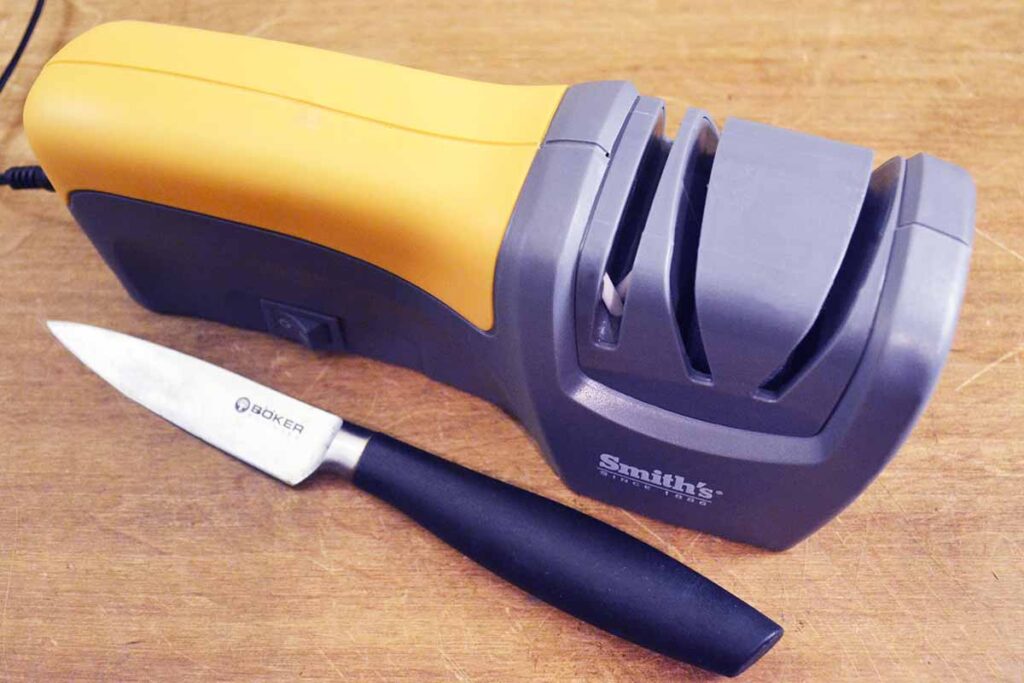
While water stones offer unmatched control, some users may prefer the convenience of electric sharpeners, especially for quick touch-ups or when sharpening multiple knives at once. Electric sharpeners are user-friendly and require less skill, but they may remove more material and offer less precision compared to manual stones. If you’re considering an electric option, look for models with adjustable angles and multiple stages for best results.
However, for those who value a fine, hand-finished edge, water stones remain the gold standard. For more on sharpening techniques for specific knives, see knife sharpening for filleting knives.
Frequently Asked Questions
How often should I sharpen my knives with water stones?
The frequency depends on usage. For home cooks, sharpening every 1–3 months is typical. Professional chefs may sharpen weekly. Always hone your knife regularly to maintain the edge between sharpening sessions.
What grit water stone should I start with?
If your knife is very dull or has chips, start with a coarse stone (200–400 grit). For regular maintenance, begin with a medium grit (1000–2000), then finish with a fine stone (4000–8000) for polishing.
Can I use water stones for all types of knives?
Most kitchen and outdoor knives can be sharpened with water stones. However, some serrated or ceramic blades require specialized tools. Always check the manufacturer’s recommendations for your specific knife.
Conclusion
Learning how to sharpen knives using water stones is a valuable skill that pays off with safer, more efficient cutting and longer-lasting blades. With the right tools, proper technique, and a bit of patience, anyone can achieve a professional-quality edge at home. Remember to maintain your stones, avoid common mistakes, and enjoy the satisfaction of a perfectly sharpened knife.
This article contains affiliate links. We may earn a commission at no extra cost to you.